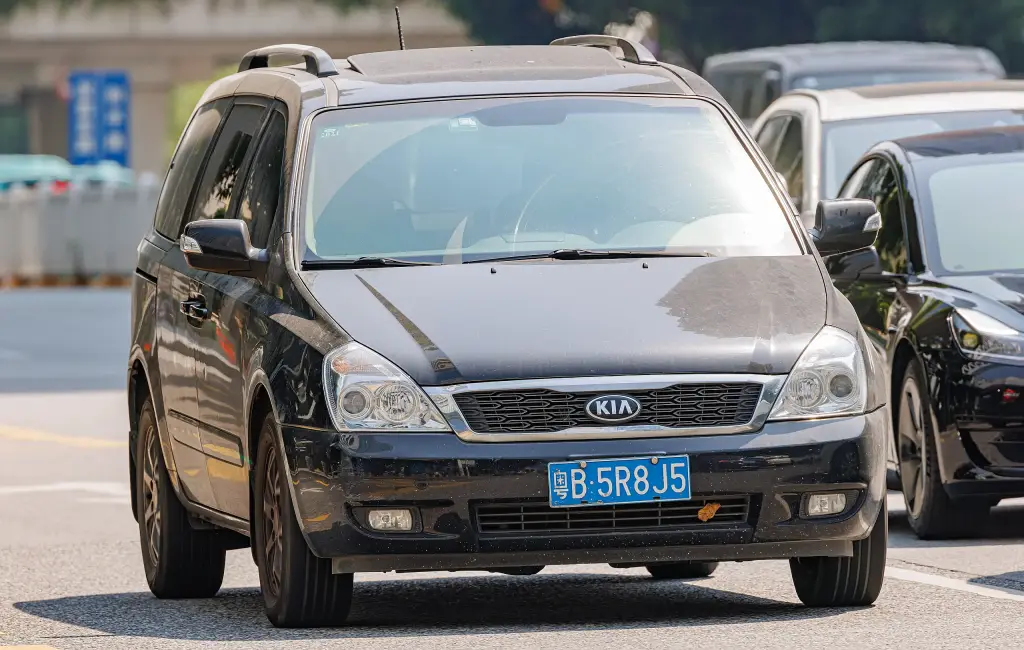
The Kia Carnival is a minivan that Kia has built since January 1998. For most of its life it was marketed in North America and several other countries as the Kia Sedona, and only with the fourth generation, for the 2022 model year, did Kia adopt the Carnival name in North America as well.
Kia Carnival at a glance
| Maker | Kia |
|---|---|
| Production | since January 1998 |
| Also called | Kia Sedona, Naza Ria in Malaysia |
| First generation | KV-II, 1998–2005 |
| Second generation | VQ, 2005–2014, short and long wheelbase |
| Third generation | YP, from 2014, long wheelbase only |
| Fourth generation | KA4, from 2020 |
| European engines, 1998 | 2.5 KV6 petrol 163 PS, 2.9 turbo diesel 126 PS |
| European engines, 2001 | 2.5 KV6 150 PS, 2.9 CRDi 144 PS |
| North American engine, 1998 | 3.5-litre V6, 195 hp |
| Related | Hyundai Entourage, a rebadged second generation |
History of the Kia Carnival
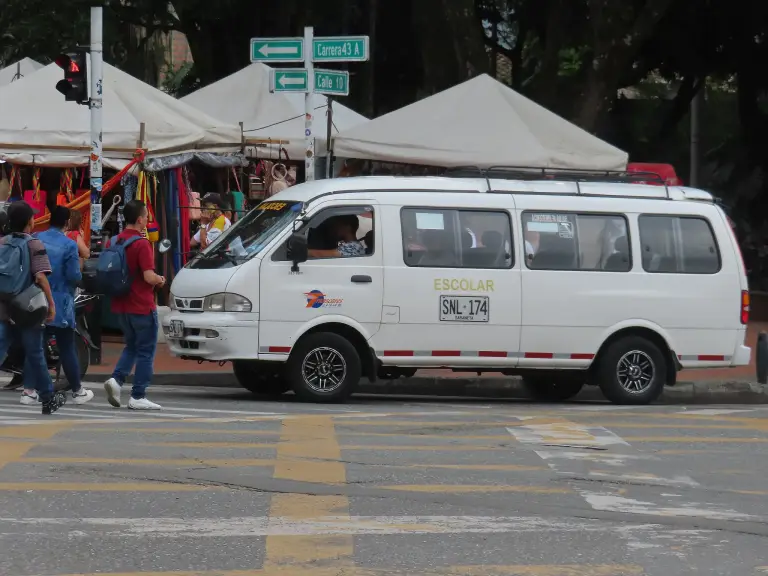
The first-generation Carnival arrived in January 1998 in a single, short-wheelbase form. It was sold under different names by region: as the Carnival in Korea and Europe, as the Sedona in North America and Britain, as the Naza Ria in Malaysia, and through a joint venture with Dongfeng Yueda Kia in China. In Indonesia and the Philippines both names were used, the Carnival from 2001 and the Sedona from 2003.
Engines and markets
In Europe the first Carnival came only with Rover’s 2.5-litre KV6 petrol engine of 163 PS and a 2.9-litre turbo diesel of 126 PS, both to Euro 2. From 2001 Kia offered the KV6 in Euro 3 form with 150 PS and a 2.9-litre common-rail diesel of 144 PS. In Australia the Carnival went on sale in 1999 with a 2.5-litre V6 of 132 kW, a five-speed manual as standard and a four-speed automatic as an option; it outsold the Toyota Tarago in 2001 to become the country’s best-selling minivan, and sales peaked at 5,259 units in 2005. North American Sedonas used a 3.5-litre Hyundai V6 of 195 hp with a four-speed, later five-speed, automatic, and were imported from Korea in short-wheelbase form only, without the power sliding doors, fold-flat third row or parking sensors that rivals offered.
2001 facelift
The facelifted car was released in Korea on 11 February 2001 as the Carnival II. Most markets kept the Carnival name, while North America and some Asian markets switched to Sedona, a name Britain had used since September 1999. Left-hand-drive cars received a redesigned dashboard and door trim; right-hand-drive cars kept the earlier design.
Second generation (2005)
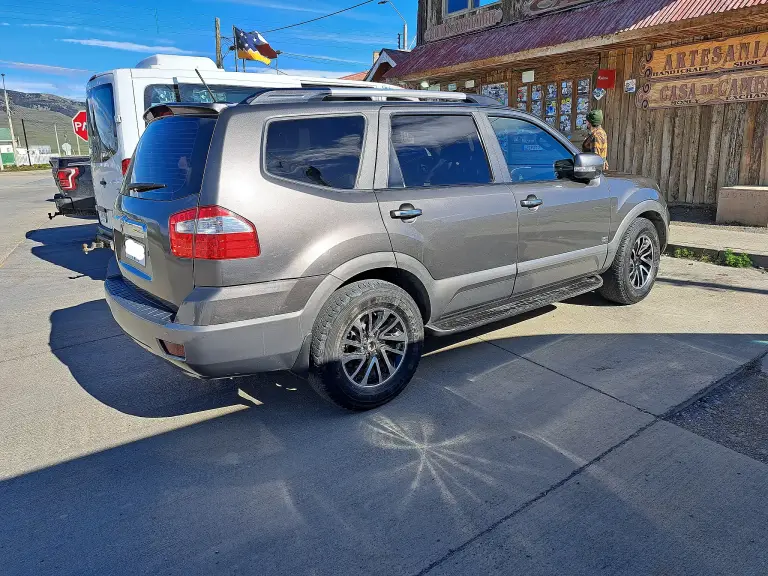
The VQ generation of 2005 came in short and long wheelbases, with a front track two inches wider and a rear track three inches wider than before and a smaller turning circle. The short-wheelbase car shared its platform with the Kia Magentis and was designed for Europe, where it competes in the large MPV class. Lighter engines, more high-tensile steel and a lighter transmission and rear suspension cut about 400 lb from the weight. Equipment ranged from six airbags, ABS with EBD and stability control to tri-zone climate control, power sliding doors, a fold-in-floor third row on long-wheelbase cars and in-dash navigation. A rebadged version was sold in North America as the Hyundai Entourage from 2007 to 2009, and from 2010 the range adopted Peter Schreyer’s Tiger Nose grille.
Third and fourth generations
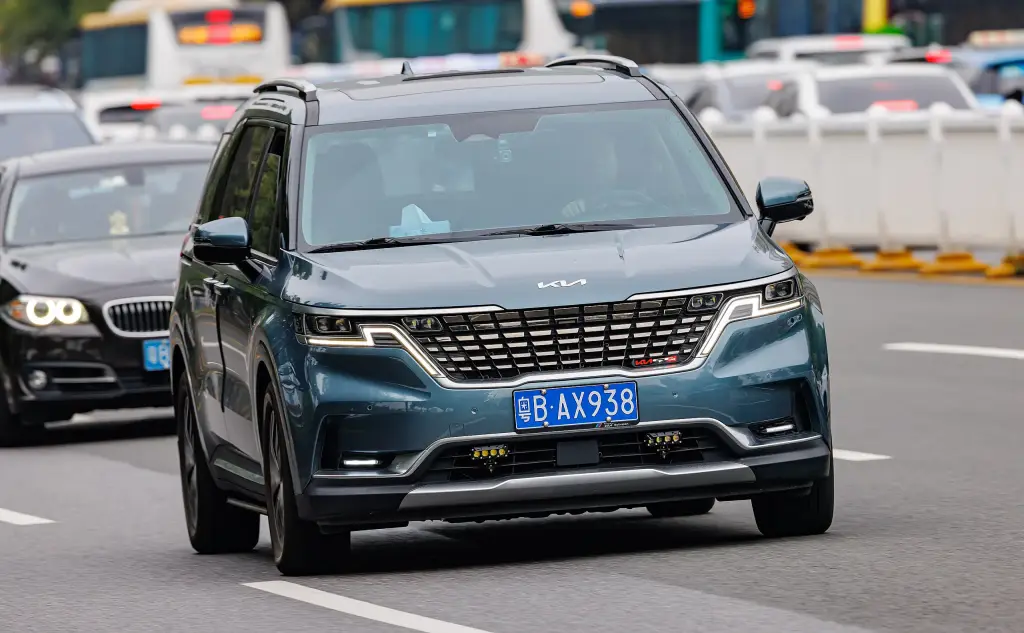
The third generation appeared in 2014 in long-wheelbase form only. The fourth arrived in 2020, and for the 2022 model year Kia finally dropped the Sedona name in North America and called the minivan Carnival there too.
Design and features
- Two names: Carnival in most of the world, Sedona in North America until 2021.
- Two wheelbases: the second generation was sold in short and long forms depending on the market.
- Family equipment: up to seven seats, sliding doors and, later, power doors and a fold-in-floor third row.
- Shared engineering: the short-wheelbase second generation used the Magentis platform.
Kia Carnival versions
- First generation (1998–2005): short wheelbase only, 2.5 V6 and 2.9 diesel in Europe.
- Carnival II (2001): facelift with a new dashboard on left-hand-drive cars.
- Second generation (2005–2014): VQ, short and long wheelbase, Hyundai Entourage twin.
- Third generation (2014): long wheelbase only.
- Fourth generation (2020): Carnival name adopted in North America.
The Carnival is Kia’s largest MPV, above the Carens, and its second-generation short-wheelbase version shared a platform with the Optima. More Kia models are in the Kia collection.
Sources
- Kia Carnival, English Wikipedia: generations, engines, markets, facelifts