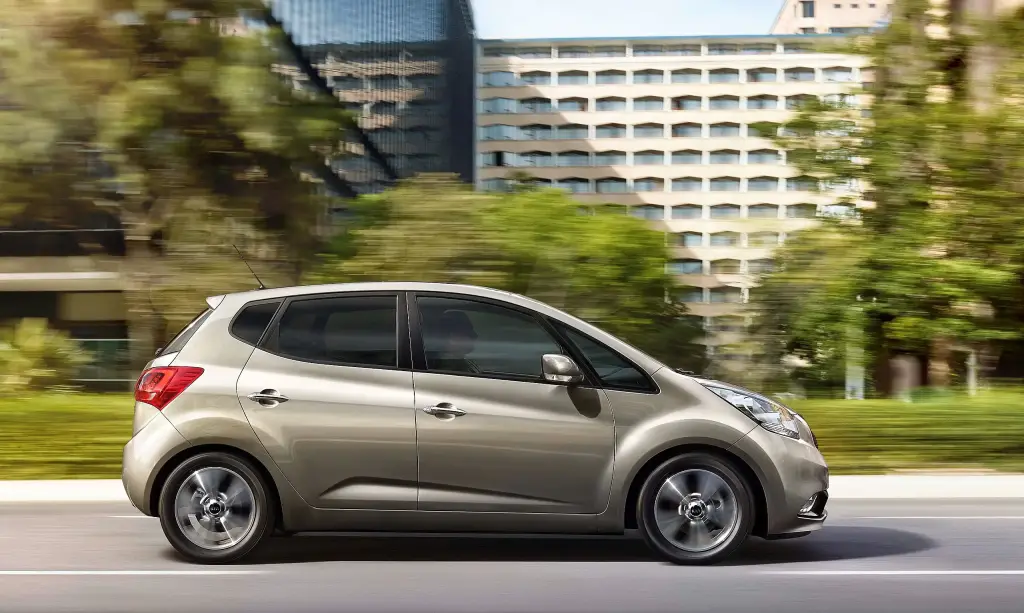
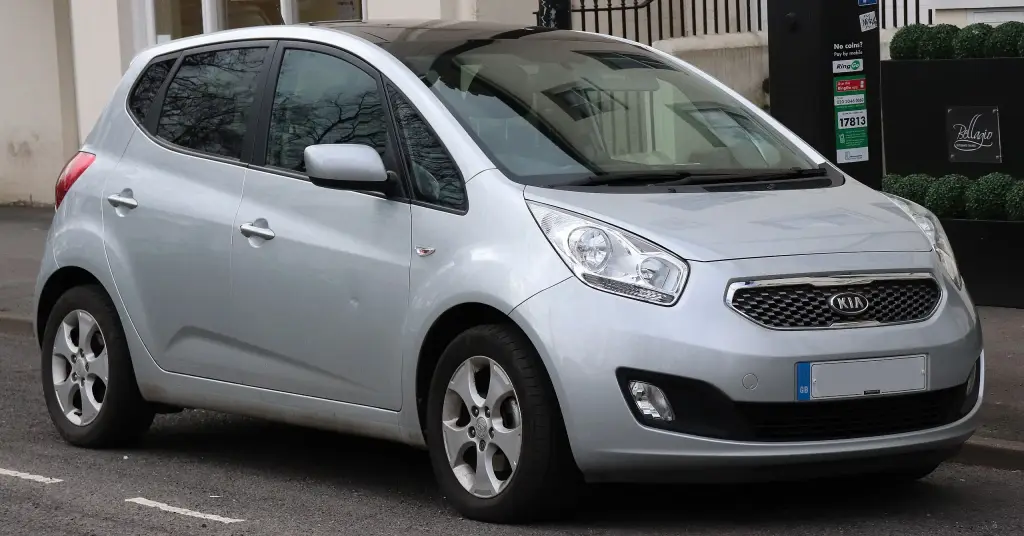
The Kia Venga was a high-roof mini MPV that Kia built for the European market from 2009 to 2019 in a single generation. It shared its platform with the Kia Soul and the outgoing Rio, and its badge-engineered twin was the Hyundai ix20.
Kia Venga at a glance
| Maker | Kia |
|---|---|
| Production | 2009–2019, Europe only |
| Debut | Frankfurt Motor Show, 2009 |
| Platform | shared with the Kia Soul and the Rio |
| Twin | Hyundai ix20 |
| Designer | Gregory Guillaume, Russelsheim |
| Wheelbase | 2,615 mm |
| Roof height | 1,600 mm |
| Drag coefficient | 0.31 |
| Boot | 440 litres, 1,253 with the rear seats folded |
| Facelift | early 2015 |
History of the Kia Venga
The Venga was styled by Gregory Guillaume at Kia’s Russelsheim research and development centre under Peter Schreyer, head of the European design studio, and was based on the No3 concept shown at the 2009 Geneva show. It made its debut at the Frankfurt show later that year. The name is Spanish for “come” or “come with”.
Packaging
Everything about the Venga was arranged around interior space. The wheelbase was long for the class at 2,615 mm, the roof stood 1,600 mm high and the drag coefficient was 0.31. The boot held 440 litres, rising to 1,253 with the rear seats folded; those seats split and slid fore and aft by up to 130 mm and folded completely flat without removing the headrests. The car wore Kia’s Tiger Nose grille and won Germany’s iF Design Award in 2009 and a Red Dot product design award in 2010.
Equipment and safety
All Vengas had anti-lock brakes, electronic stability control, hill-start assist, hazard lights that came on under emergency braking, tyre pressure monitoring, six airbags, load-limiting pretensioned seatbelts and active front headrests. Upper trims added a panoramic sunroof, LED rear lights, keyless ignition, welcome-home lights and a heated steering wheel. After the first Euro NCAP test Kia made structural and safety improvements and had the car reassessed.
Reception and facelift
European reviews were mixed. Top Gear gave the car 4 out of 10 and called it as sensible as a dry cracker; Autocar rated it three out of five, praising the space, the refined engine and the equipment but criticising performance, styling and price; What Car? gave it two stars and Auto Express three. A facelifted Venga arrived in early 2015 with a larger front grille, a revised bumper and a six-speed automatic replacing the four-speed. Production ended in early 2019 without a successor, as European buyers moved from MPVs to crossover SUVs.
Design and features
- Space first: a long wheelbase, a tall roof and sliding, folding rear seats.
- Big boot: 440 litres with the seats up and 1,253 with them down.
- Hyundai twin: the same car was sold as the Hyundai ix20.
- Award-winning design: iF Design Award in 2009 and Red Dot in 2010.
Kia Venga versions
- Venga (2009–2015): the original mini MPV.
- Venga facelift (2015–2019): larger grille and a six-speed automatic.
The Venga shared its platform with the Soul and the Rio, and it was Kia’s smallest people carrier below the Carens. More Kia models are in the Kia collection.
Sources
- Kia Venga, English Wikipedia: design, packaging, equipment, facelift, reviews