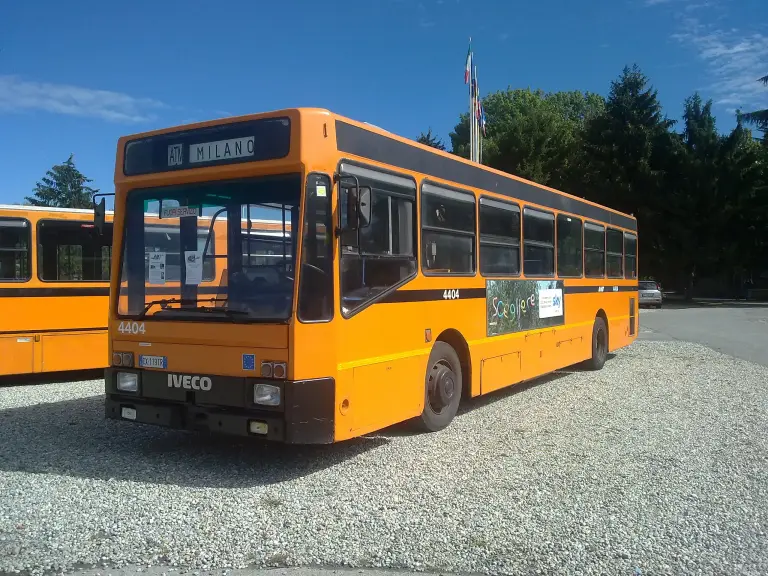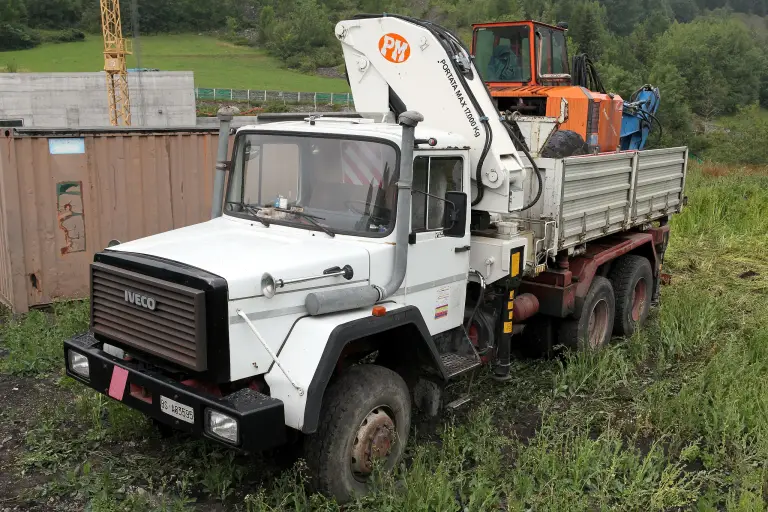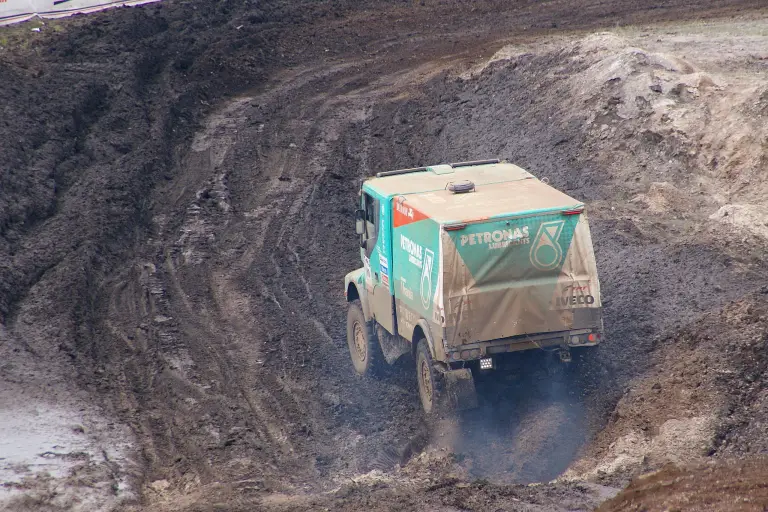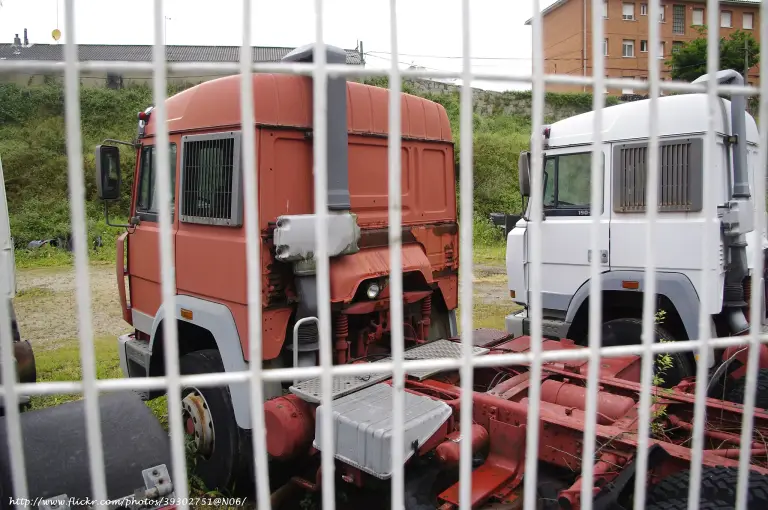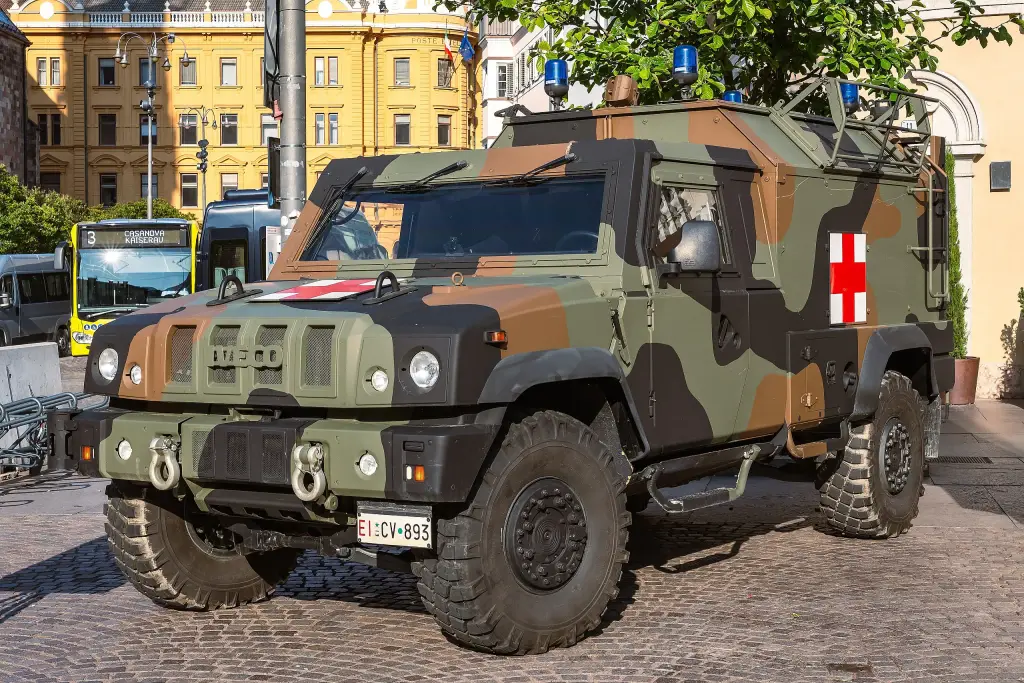
The Iveco LMV, for Light Multirole Vehicle, is a four-wheel-drive tactical vehicle developed by Iveco. The Italian Army adopted it as the Veicolo Tattico Leggero Multiruolo Lince, and the British Army chose it in its Future Command and Liaison Vehicle competition as the Panther. It has also been bought by the armies of Albania, Austria, Belgium, Brazil, Norway, Russia and Spain.
Iveco LMV at a glance
| Type | light multirole tactical 4×4 |
|---|---|
| Designed | 1990s |
| First produced | 2001 |
| Italian name | VTLM Lince |
| British name | Panther CLV, built from 2006 to 2009 |
| Russian name | Rys, assembled by MVPS |
| Armour | modular packs, chosen to suit the mission |
| Mine protection | v-hull, collapsible floor, suspended seats, 493 mm ground clearance |
| Height | under two metres |
| Wheelbases | 3.2 m and 3.5 m, plus a two-door two-seater |
| Engine since 2015 | 220 hp diesel with eight-speed automatic |
| Payload increase in 2015 | about 40 per cent |
History of the Iveco LMV
The LMV was designed in the 1990s and the first vehicles were produced in 2001. The Italian Army took them to Afghanistan with ISAF and to Lebanon with the United Nations Interim Force, and in Afghanistan the Lince saved the lives of its occupants in several attacks with improvised explosive devices.
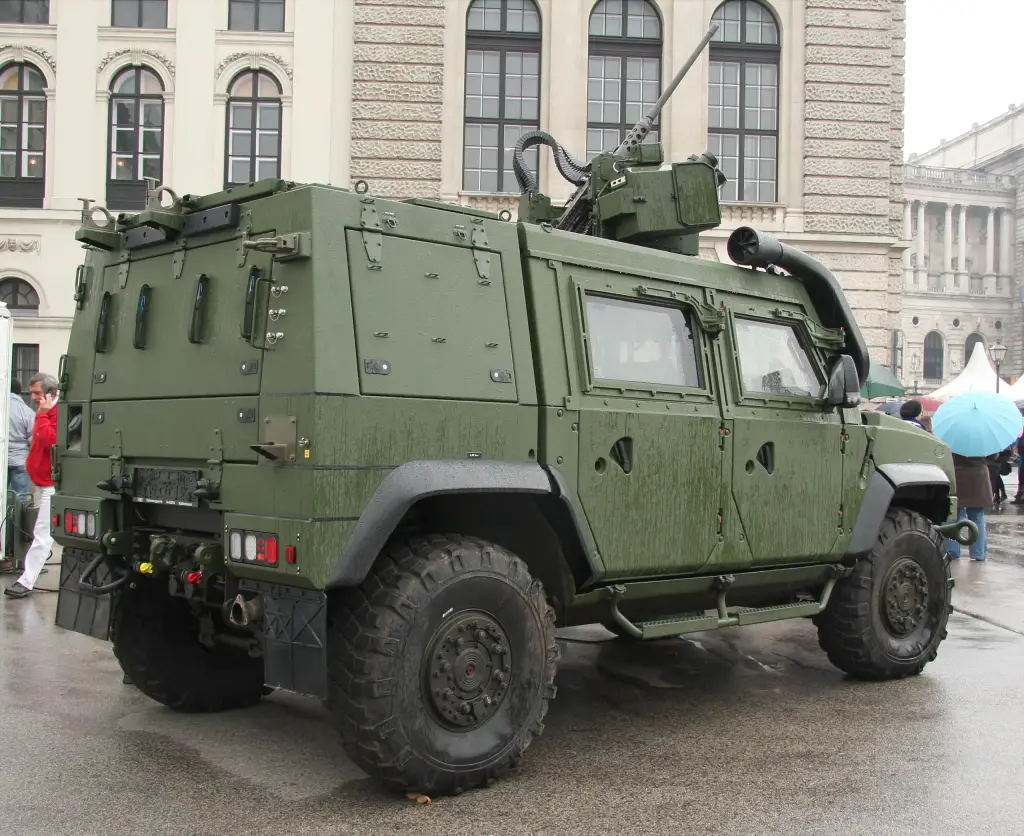
Its protection is built around modular armour packs, which let the vehicle be adjusted to the mission. For mine protection the ground clearance was raised to 493 mm without increasing the overall height, which stays under two metres, and the vehicle uses suspended seats of aeronautical origin, a v-shaped hull and a collapsible sandwich structure in the floor to deflect and absorb a blast. The exhaust runs through the C-pillars and the turbocharger sits under the engine to lower the thermal signature. Run-flat tyres let it move even with fully deflated wheels. The LMV is related to the Fiat Oltre concept car shown in 2005.
Britain chose the LMV for its Future Command and Liaison Vehicle programme after the Gulf War, over the Vickers RG-32 Scout, the RG-31 Nyala and a licensed ACMAT offer. Design changes by BAE allowed assembly at its Newcastle upon Tyne factory, where more than 300 Panthers were built under a contract worth £160 million. The Panther seated four and carried an Enforcer remote weapon station able to take a 7.62 mm machine gun, a 12.7 mm heavy machine gun or a 40 mm grenade launcher, though the crew was reduced to three when radio equipment filled the right rear seat. In 2009, 67 vehicles were upgraded for Afghanistan with extra armour, electronic countermeasures and reversing cameras. At the end of April 2018 the whole fleet of 395 vehicles was offered for sale, but in 2024 the Panther was still being used on exercises in Estonia.
Russia assembles the LMV as the Rys through MVPS, a joint venture of Iveco Russia and Oboronservis, at the 127th Wheeled Vehicle Repair Plant in Voronezh. Since 2015 the vehicle has had a 220 hp diesel engine and a new eight-speed automatic gearbox, an uprated driveline, a new air filtration system, about 40 per cent more payload, new suspension units and new all-terrain tyres.
Design and features
- Modular armour: protection packs changed to suit the mission.
- Mine protection: v-hull, suspended seats, collapsible floor and 493 mm clearance.
- Low signature: exhaust in the C-pillars and the turbocharger under the engine.
- Run-flat tyres: the vehicle keeps moving with deflated wheels.
Iveco LMV versions
- VTLM Lince: the Italian Army version.
- Panther CLV: the British version, over 300 assembled at Newcastle.
- Rys: the Russian version assembled at Voronezh.
- Wheelbase options: 3.2 and 3.5 metres, plus a two-door two-seater.
- 2015 specification: 220 hp engine and eight-speed automatic.
The LMV shares its off-road role with the Massif and the VM 90. More Iveco vehicles are in the Iveco collection.
Sources
- Iveco LMV, English Wikipedia: design, protection, Panther, Rys, updates