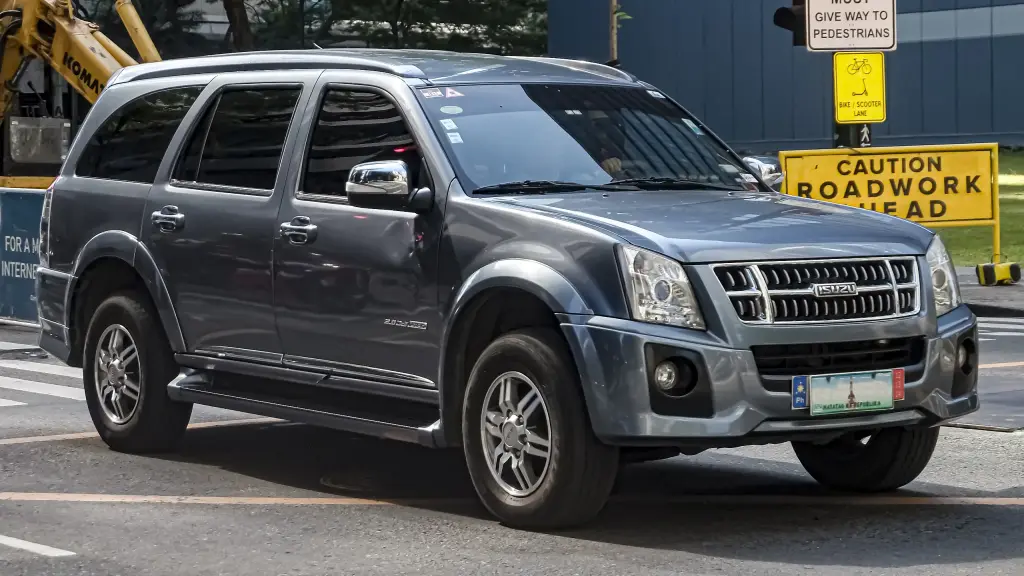
The Isuzu MU-7 is a D-Max-based SUV with three rows of seats that Isuzu released in Thailand in November 2004 and advertised as a Sport Utility Wagon. It has the same front fascia and chassis as the D-Max but a covered rear end instead of a load bed, and it kept the pickup’s wheelbase, unlike the MU-X that followed.
Isuzu MU-7 at a glance
| Maker | Isuzu, Thailand |
|---|---|
| Production | 2004–2013 |
| Class | mid-size SUV |
| Based on | Isuzu D-Max pickup |
| Seats | three rows |
| Markets | Thailand, the Philippines and India |
| Philippine name | Isuzu Alterra |
| Drive | rear-wheel drive or 4×4 |
| Engine | 3.0 L 4JJ1-TC, later 4JJ1-TCX |
| Suspension | MOVE: torsion-bar double wishbones front, leaf springs rear |
| Trims | Primo, Activo, S, Gold Series, Platinum and Choiz |
based on one source: the MU-7 is described in the predecessor section of the English Wikipedia article on the MU-X.
History of the Isuzu MU-7
Launch and layout
The MU-7 was released in Thailand in November 2004 as Isuzu’s seven-seat family SUV, using the D-Max chassis and front end with a new closed body behind the cabin. It was offered with rear-wheel drive or a four-wheel-drive system and a single engine, the 3.0-litre 4JJ1-TC. Its MOVE suspension used torsion-bar-sprung double wishbones at the front and leaf springs at the rear, a layout chosen for load carrying rather than comfort. The model was sold in Thailand, in the Philippines as the Isuzu Alterra and in India.
Trims and updates
Late in the third quarter of 2006 the drivetrain options were named Primo for 4×2 and Activo for 4×4. A new 3.0 4JJ1-TCX engine arrived with a five-speed manual and the MaxMatic-III automatic, along with a new interior with wood trim and revised upholstery. As with the D-Max Gold Series, the MU-7 Primo and Activo Gold Series of 2008 carried gold Isuzu badges in three places and could be ordered with a navigation and entertainment system with reverse assist. A cheaper 4×2 S model with the 146 PS 3.0-litre engine was added below the Primo.
Platinum and Choiz
MU-7 Platinum models were sold in Thailand from 1 November 2008 with revised front, fender and side trim, platinum-painted engines and retuned MOVE suspension for the Primo and Activo. Super Platinum versions followed with a new front bumper, new alloy wheels and blind-spot mirrors, and cars with the 3.0 VGS Turbo engine received silver trim on the bonnet scoop. In April 2011 the MU-7 Choiz was shown at the Bangkok Motor Show with new alloy wheels and small interior changes, and in December 2011 the Choiz was facelifted with new wheels. It was sold in four-wheel drive and in two rear-wheel-drive forms, with the 3000 VGS Turbo and the 3000 DDi engines. The MU-X replaced it from 2013.
Design and features
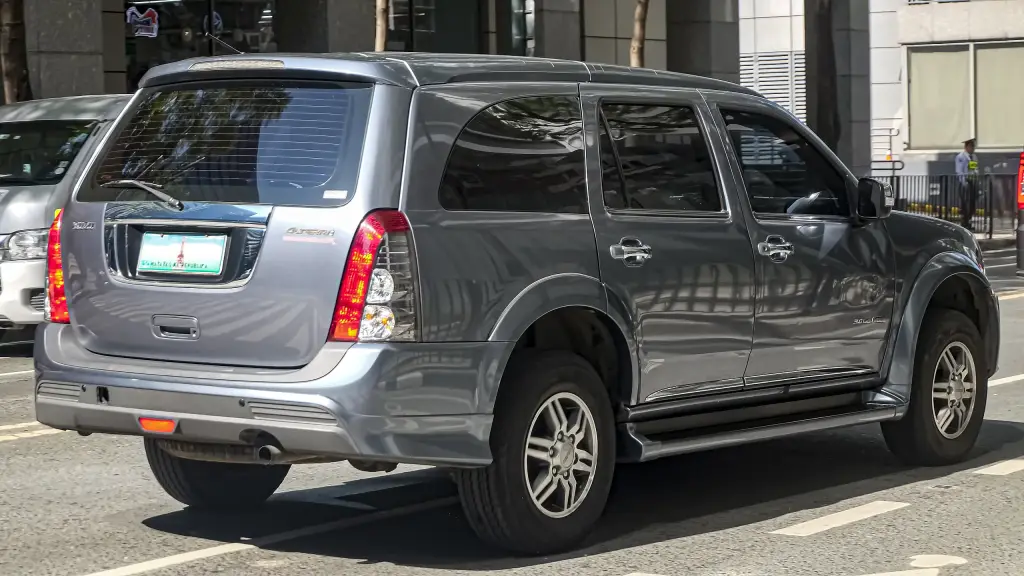
- Pickup base: the D-Max chassis and front end with a closed rear body.
- Three rows: seven-seat layout in a body-on-frame SUV.
- MOVE suspension: double wishbones in front, leaf springs behind.
- Thai trims: Primo, Activo, S, Gold Series, Platinum and Choiz.
Isuzu MU-7 versions
- MU-7 (2004–2006): the original 3.0 4JJ1-TC model.
- Primo and Activo (2006): named 4×2 and 4×4 versions.
- S (2008): cheaper 4×2 with 146 PS.
- Gold Series (2008): gold badges and optional navigation.
- Platinum and Super Platinum (2008): revised trim and wheels.
- Choiz (2011): final special edition.
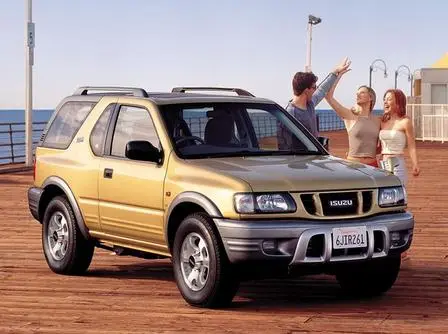
The MU-7 was based on the D-Max and was replaced by the MU-X; its older relatives are the MU and Rodeo. More models are in the Isuzu collection.
Video: The massive MU-7
Video by NDTV on YouTube.
Sources
- Isuzu MU-X, English Wikipedia: the MU-7 section: launch, trims, suspension