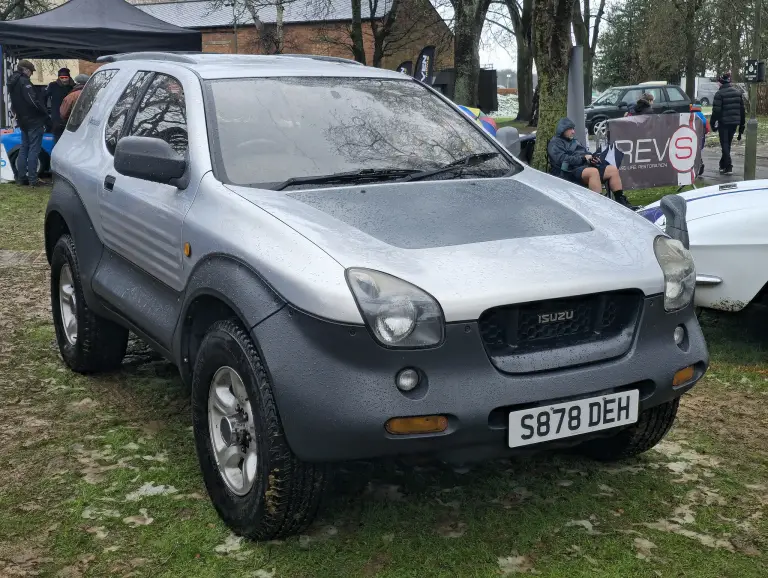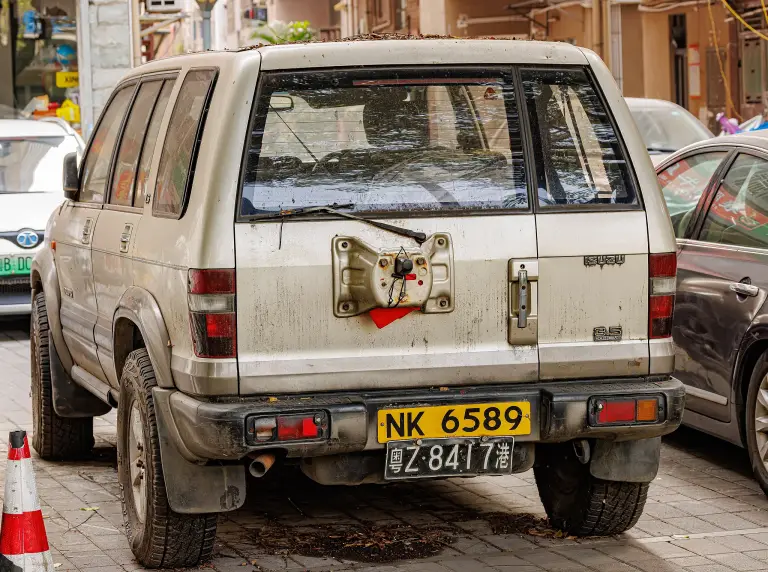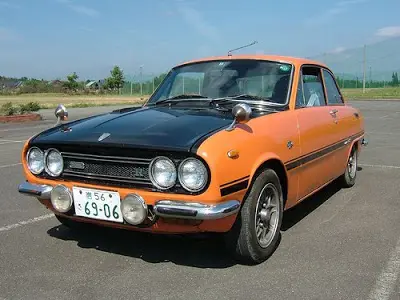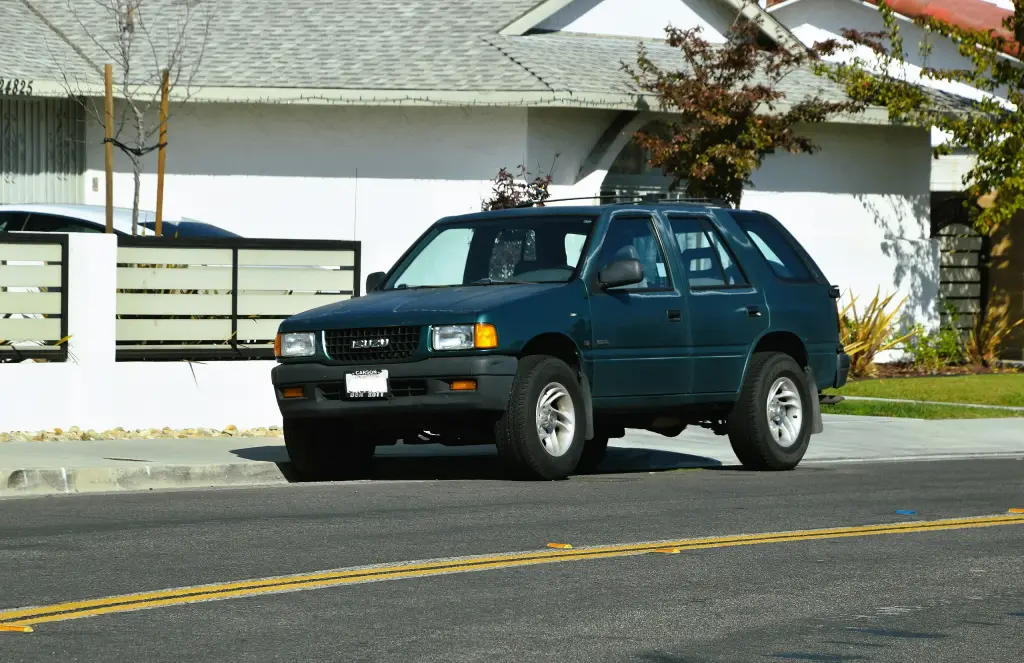
The Isuzu Rodeo is a nameplate that Isuzu used between 1988 and 2004 on two different vehicles: a compact pickup sold in Japan and a mid-size SUV offered in North America. The word had first appeared in 1978 as a suffix on four-wheel-drive versions of the rear-wheel-drive Isuzu Faster, the Faster Rodeo, and from 1981 it was also attached to the Isuzu Bighorn, later shortened to Bighorn and known abroad as the Trooper.
Isuzu Rodeo at a glance
| Maker | Isuzu Motors, Japan |
|---|---|
| Years of the name | 1988–2004 |
| First use | Faster Rodeo suffix on four-wheel-drive Fasters from 1978 |
| Japanese pickup | 1988–1994, the third generation of four-wheel-drive Fasters |
| American SUV | from the 1991 model year, sold in Japan as the Wizard |
| Three-door brother | Isuzu Amigo, then Rodeo Sport |
| Second generation | from the 1998 model year |
| Twin model | Honda Passport until 2002 |
| End of production | 2004 |
based on one source (English Wikipedia)
History of the Isuzu Rodeo
From a suffix to a name
The Rodeo title was first used on four-wheel-drive versions of the Japanese-market Isuzu Faster pickup from 1978, and those Faster Rodeos spanned two generations. With the third iteration, sold from 1988 to 1994, Isuzu simplified the name of four-wheel-drive models to Isuzu Rodeo. In parallel, from 1981 the name Isuzu Bighorn Rodeo was used for the SUV that Isuzu soon shortened to Isuzu Bighorn and sold in most export markets as the Isuzu Trooper.
The American SUV
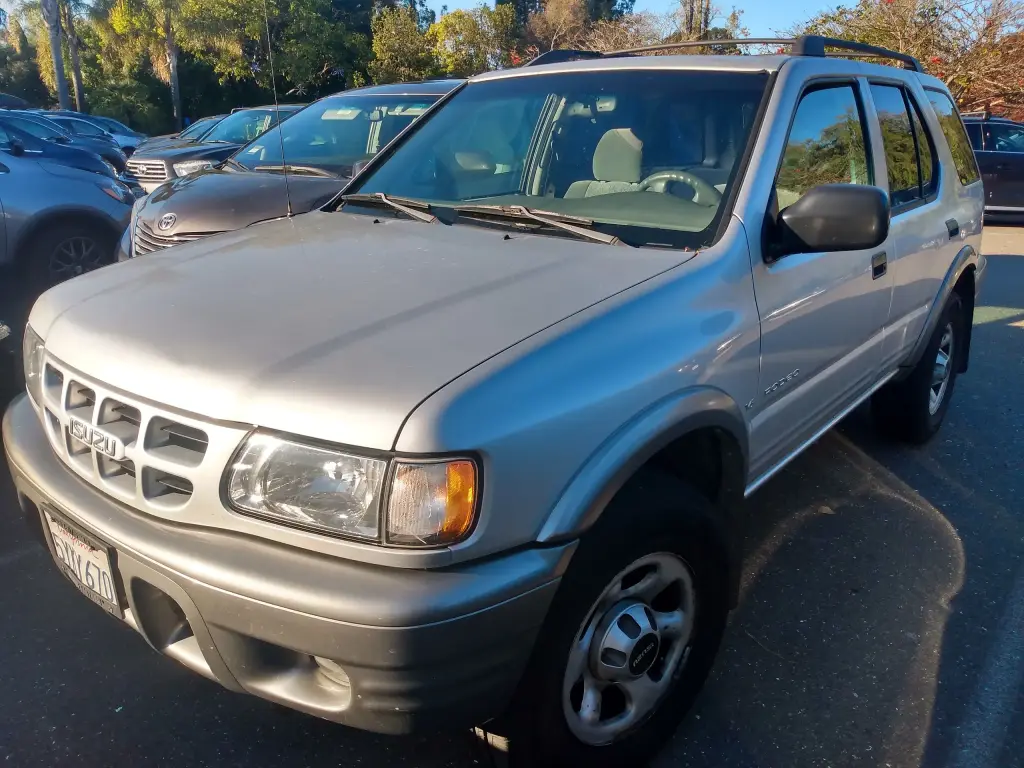
In North America Isuzu applied the Rodeo name in 1990 for the 1991 model year to a five-door SUV sold in Japan as the Isuzu Wizard. The three-door version was sold there as the Isuzu Amigo and in Japan as the Isuzu MU. A second generation of the SUV arrived in 1998, and in 2000 the three-door Amigo became the Rodeo Sport for the 2001 model year; production of both SUVs ended in 2004. Slightly altered rebadged versions were sold in the United States as the Honda Passport until 2002, and after 2002 the Rodeo received a light update to its speedometer and parts of the interior.
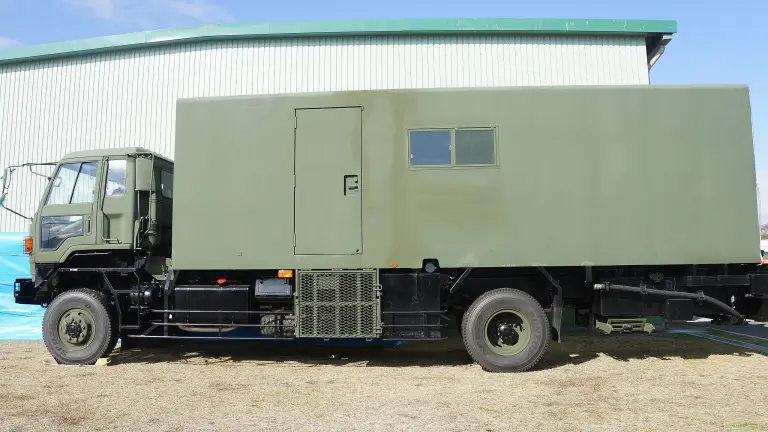
A factory camper
From 1990 to 1993 Isuzu Japan had Yokohama Motor Sales build a four-berth camper on the long-wheelbase TFS55H chassis. At 6,150 mm long it was a popular four-wheel-drive conversion that combined off-road ability with living space, and it came only with the 2.8-litre 4JB1T diesel, a five-speed manual gearbox and a low/high-range transfer box; no automatic was offered.
Design and features
- Nameplate with two lives: a Japanese pickup and an American SUV.
- Wizard connection: the American Rodeo was the Japanese Wizard.
- Honda twin: the Honda Passport was a lightly altered Rodeo.
- Factory camper: a four-berth four-wheel-drive conversion from 1990 to 1993.
Isuzu Rodeo versions
- Faster Rodeo (1978–1988): four-wheel-drive Fasters.
- Rodeo pickup (1988–1994): the Japanese four-wheel-drive pickup.
- Rodeo SUV (1991–1997): the first American generation, sold as the Wizard in Japan.
- Rodeo SUV (1998–2004): the second generation.
- Rodeo Sport (2001–2004): the three-door Amigo renamed.
- Honda Passport: the rebadged version sold until 2002.
The Rodeo was the SUV relative of the Faster and the five-door version of the MU; its later pickup cousin was the D-Max. More models are in the Isuzu collection.
Video: 2002 Isuzu Rodeo Start Up and Review 3.2 L V6
Video by Camerons Car Reviews on YouTube.
Sources
- Isuzu Rodeo, English Wikipedia: name history, American models, camper