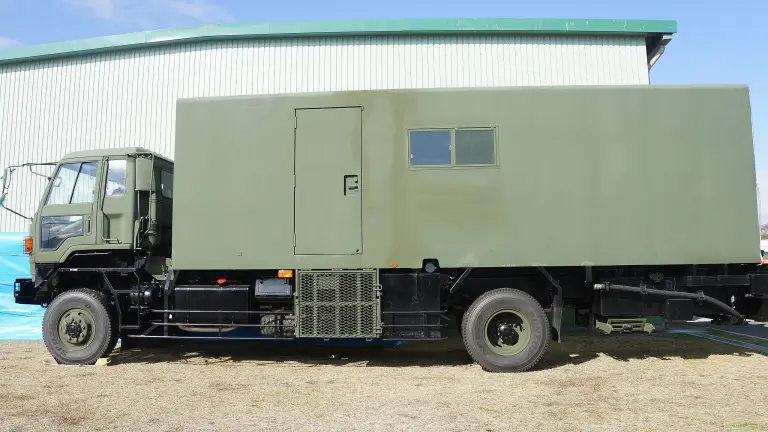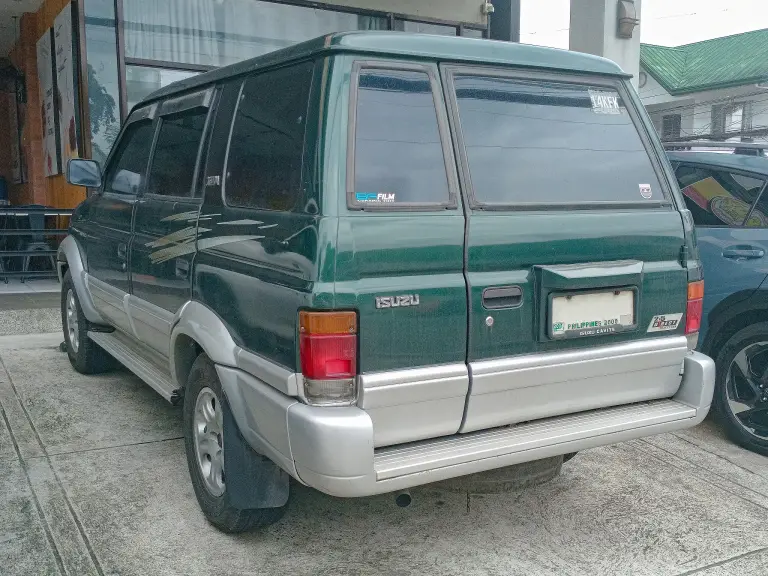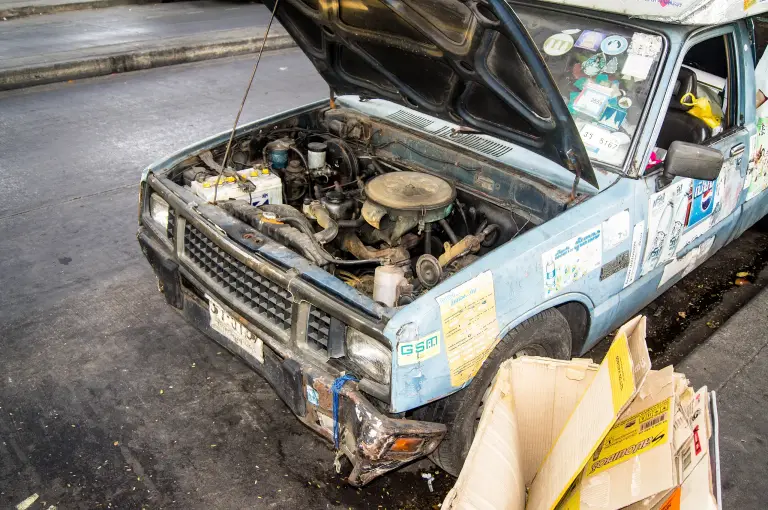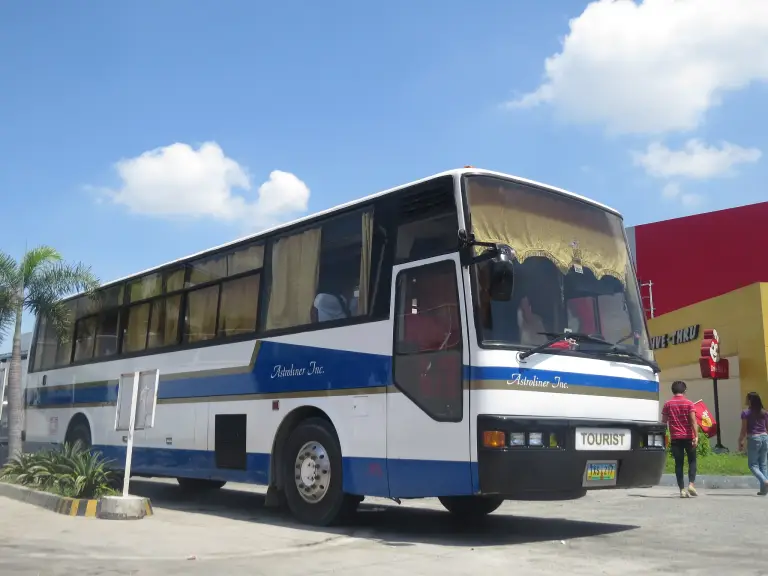
The Isuzu Elf is a medium-duty truck that Isuzu has produced since 1959. Outside Japan it is known as the N series and Q series. It was originally sold mainly in Japan and other Asian countries, but Australia became an important market and built the Elf locally from the 1970s, and since the early 1980s the truck has also been sold and built in the United States as the Isuzu N-series and as the Chevrolet and GMC W-series.
Isuzu Elf at a glance
| Maker | Isuzu Motors, Japan |
|---|---|
| Production | since August 1959 |
| Class | medium-duty cab-over truck |
| Export names | N series, Q series; Chevrolet and GMC W-series in the USA |
| First model | TL221, two tonnes, 1.5 L petrol with 60 PS |
| First diesel | 2.0 L with 52 PS, March 1960 |
| Local assembly | Australia from the 1970s, USA from the 1980s, Colombia since 1991 |
| Bodies | flatbed, dropside, double cab, soda truck, tipper, tanker, buses |
| Bus versions | Route Van, Elf Light Bus and Elf Micro Bus, later the Journey |
| Later names | Elf 150, Elf 250 and Elf 350 |
based on one source (English Wikipedia)
History of the Isuzu Elf
First generation
The cab-over two-tonne Elf, the TL221, was introduced in August 1959 with a 1.5-litre GL150 petrol engine of 60 PS, single headlights and rear-hinged doors; a long-wheelbase TL251 with a 2,460 mm wheelbase was also offered. In March 1960 a 2.0-litre diesel of 52 PS arrived, a first for the class in Japan, and rivals soon followed. The engines were updated in 1962 to 72 and 55 PS, and the diesel switched to the new DL201; chassis codes were later reorganised as TLG10/11 for petrol and TLD10/11 for diesel. The long-wheelbase model became standard in 1964 and the diesel grew to the 2.2-litre C220 with 62 PS; a facelift in 1965 brought twin headlights.

Bodies and buses
Isuzu offered a very wide choice of bodywork: an integrated bed, a separate dropside bed, a double cab, and special bodies for soda trucks, tippers and tankers. There was a Route Van with a glazed rear compartment for three or six passengers, and from 1960 two bus models. The Elf Light Bus seated 21 on the long wheelbase, while the Elf Micro Bus sat between the Route Van and the Light Bus with 12 or 15 seats and its own rear bodywork from 1961. The Elf Bus later became a separate line, the Isuzu Journey.
Second and third generations
In August 1967 the lighter Isuzu Light Elf was added, rated at 1.25 tonnes and using the 1.5-litre G150 engine of the Bellett. A second-generation Elf arrived in April 1968, and with it Japan’s first walk-through van, the Elf Hi-Roof. In 1970 the range was split into the Elf 150, the Elf 250 with a 2.4-litre diesel and the 3.5-tonne Elf 350; 1972 brought the front-wheel-drive Elf Mi-Pack with a loading floor only 450 mm high, which was withdrawn after a few years because it was expensive and buyers distrusted front-wheel drive. A low-floor Elf 150 with twin rear tyres followed in 1974. The third generation appeared in June 1975, nicknamed Tora-san after a film character it was said to resemble, and in 1979 the 3.3-litre Elf 250 Super joined the range.
Around the world
Australia was an important market, with local manufacture using many local components from the 1970s. For the Andean market the Elf has been assembled in Bogotá, Colombia, by GM-Colmotores since 1991, with annual volumes of 20,000 to 60,000 and lettering reading Tecnología Isuzu. In Indonesia, the Philippines and elsewhere, Elf chassis are commonly converted into microbuses: light four-wheeled models serve as intercity share taxis, school buses or staff buses, with local bodywork ranging from high-roof vans to minibuses with folding side doors.
Design and features
- First diesel in its class: a 2.0-litre oil engine from March 1960.
- Huge body range: from chassis cab and tipper to passenger buses.
- Local assembly: built in Australia, the United States and Colombia, among others.
- Minibus conversions: Elf chassis became share taxis and school buses across Asia and Africa.
Isuzu Elf versions
- Elf 150: the lighter part of the range from 1970.
- Elf 250: two to 2.5 tonnes with a 2.4-litre diesel.
- Elf 350: the 3.5-tonne model, built until the 1980 model year.
- Elf Mi-Pack (1972): front-wheel drive with a very low loading floor.
- Elf Hi-Roof (1968): Japan’s first walk-through van.
- Elf Bus: passenger models that grew into the Isuzu Journey.
The Elf’s bus descendants are the Journey and the larger Cubic, and its cabs were later shared with the Forward. More trucks are in the Isuzu collection.
Sources
- Isuzu Elf, English Wikipedia: generations, engines, bodies, markets