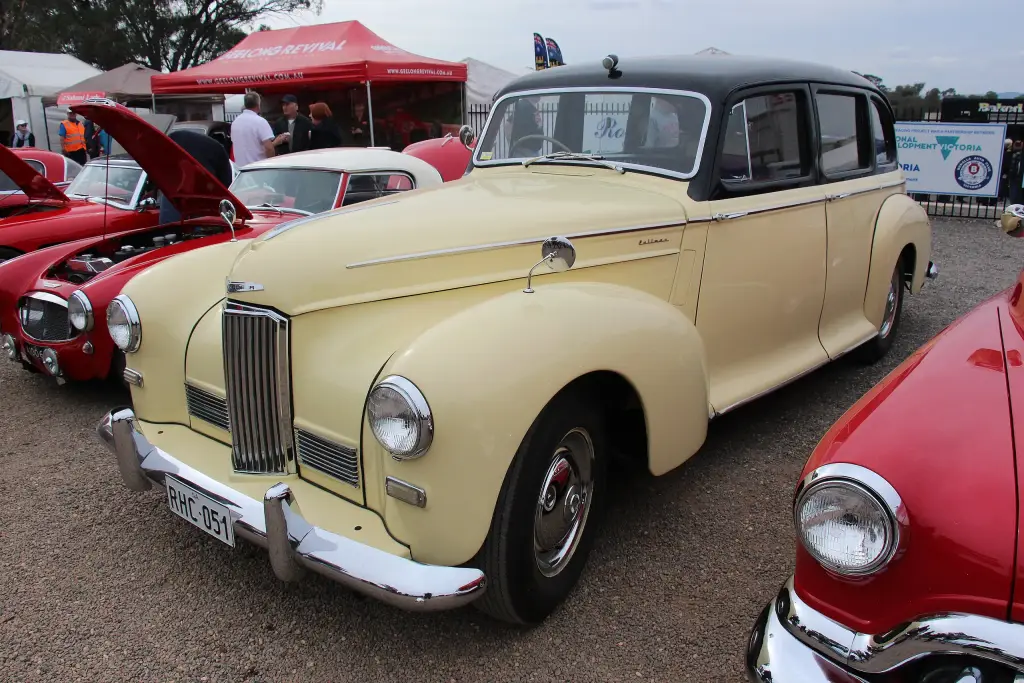
The Humber Pullman was a four-door limousine introduced by the British Humber company in 1930 as successor to the Humber 20/65 hp and as the long-wheelbase version of the Humber Snipe. It remained in production, with a break for the war, until 1954.
Humber Pullman at a glance
| Maker | Humber Limited, Rootes Group |
|---|---|
| Production | 1930–1954; Imperial name revived 1964–1967 |
| Type | four-door limousine and landaulette |
| Engine, 1930 | 3,498 cc six, 80 hp |
| Engine, 1936 | 4,086 cc six, 100 hp |
| Engine, 1953 | 4,139 cc overhead-valve six, 113–116 hp |
| Wheelbase | 132 in (1936) |
| Length | 196 in (1936), 212 in (Mark III, 1951) |
| Top speed | 73 mph (1930), 75 mph (1936), 81 mph (Imperial, 1939) |
| Bodies | limousine, landaulette, sedanca de ville; coupé in 1935 |
| Built | 2,200 Pullman Mark II–III and 1,526 Imperials |
Based on one source, the English Wikipedia article on the Humber Pullman.
History of the Humber Pullman
The Humber Pullman was introduced in 1930 as successor to the Humber 20/65 hp and as the long-wheelbase version of the Humber Snipe. In 1939 an upgraded version was launched badged as the Humber Imperial, but after the war the car reverted to the Pullman name. Between 1948 and 1954 the car was offered with a central partition for chauffeured use as the Pullman, but without a partition it was badged as the Humber Imperial, intended for owner-drivers. The Pullman and Imperial were not offered for sale to the public during the Second World War, when the factory’s limited output was used as staff cars. The car returned to the market in 1945 and remained in production until 1954, and in 1964 the company revived the Imperial name for a top-of-the-line model based on the Humber Super Snipe.
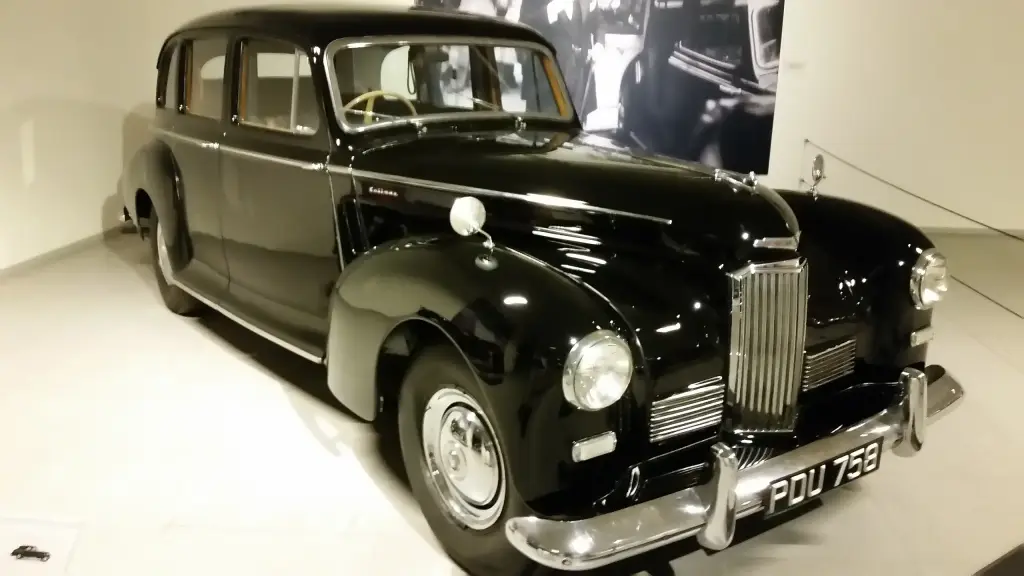
Before the war
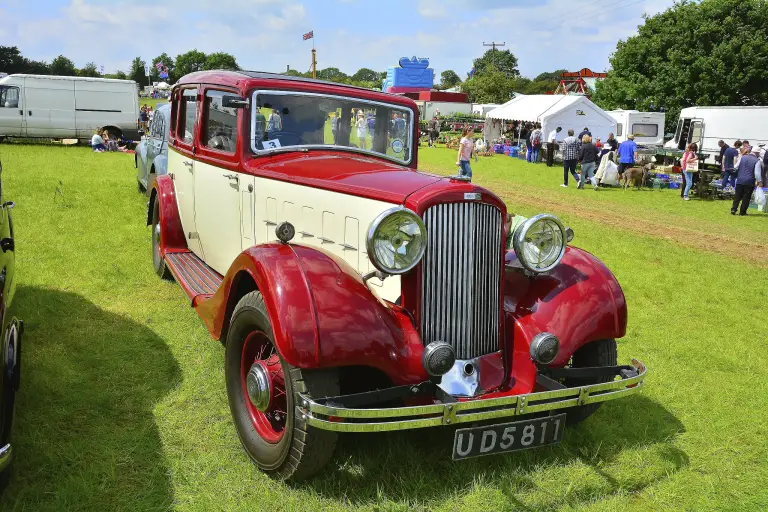
The 1930 car came with a 3,498 cc straight-six engine with overhead inlet and side exhaust valves and a claimed output of 80 hp. The classic limousine body had rear-hinged doors and in some respects resembled the Humber Snipe 80, with which it shared its engine, but the Pullman was longer and wider. For this heavy car Humber claimed a top speed of 73 mph. As well as the limousine, landaulette and sedanca de ville bodies were available, and a coupé was added to the range in 1935 for one year only. Humber lost its independence in 1931, when the Rootes Group acquired a majority shareholding in it.
The 1936 car
A rebodied Pullman with a two-piece V windscreen appeared in 1936, sharing the 132-inch wheelbase of its predecessor but with overall length increased to 196 inches. Engine size was now raised to 4,086 cc while claimed power was 100 hp, and the claimed top speed edged up to 75 mph. The chassis gained independent front suspension, and hydraulic brakes were fitted in 1940. As well as the factory body options, some cars were supplied in chassis form to independent coachbuilders, especially Thrupp & Maberly.
The Imperial of 1939
In 1939 the Pullman was joined by the Humber Imperial, or Snipe Imperial, which shared its engine with the Pullman but was built on the four-inch shorter Snipe chassis and was correspondingly brisker, with an advertised top speed of 81 mph. The car nevertheless remained spacious and was favoured for use by British government ministers during the 1940s. Four- and six-light saloons and drophead coupé bodies were available. Civilian availability ended in 1940 when the factory was given over to production of the Ironside Reconnaissance Car, although production of the newly introduced razor-edge Pullman continued throughout the war for the government and the military.
After the war
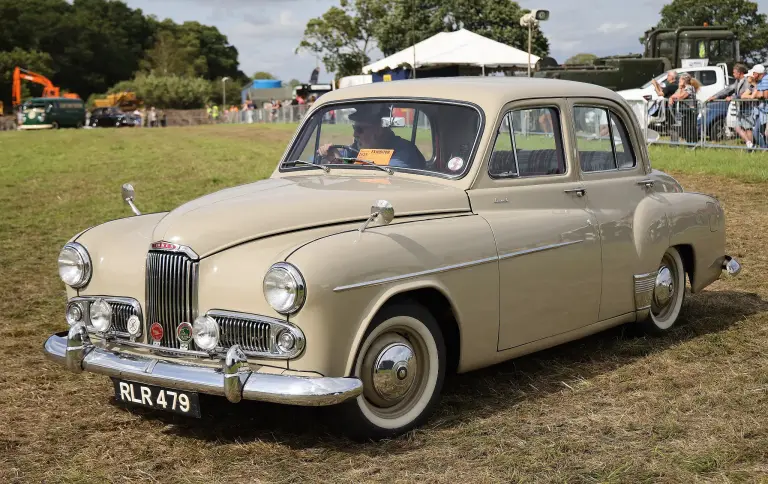
The Pullman returned to the market in 1945 with seven-seat limousine and landaulette bodies, to be replaced in 1948 by a reworked and lengthened version on a lengthened chassis, designated the Humber Pullman Mark II. From 1948 the car was available with or without a partition between the front and rear of the cabin; the version with a division retained the Pullman name, while the mechanically identical owner-driver version was now called the Humber Imperial. The headlamps were no longer standalone but fitted into the wings.
The Mark III version introduced in 1951 was little changed from the Mark II apart from being even longer and having an all-synchromesh gearbox. At 212 inches the Mark III Pullman was the same length as the Rolls-Royce Silver Cloud that would emerge from Crewe in 1955. A total of 2,200 Mark II and III Pullmans, and 1,526 Imperials, were manufactured. In 1953 more power was offered for the Mark IV Pullmans and Imperials, still with straight-six engines but now of 4,139 cc with overhead valves and a published output of 113 or 116 hp. Production ended in 1954.
The 1964 Imperial revival
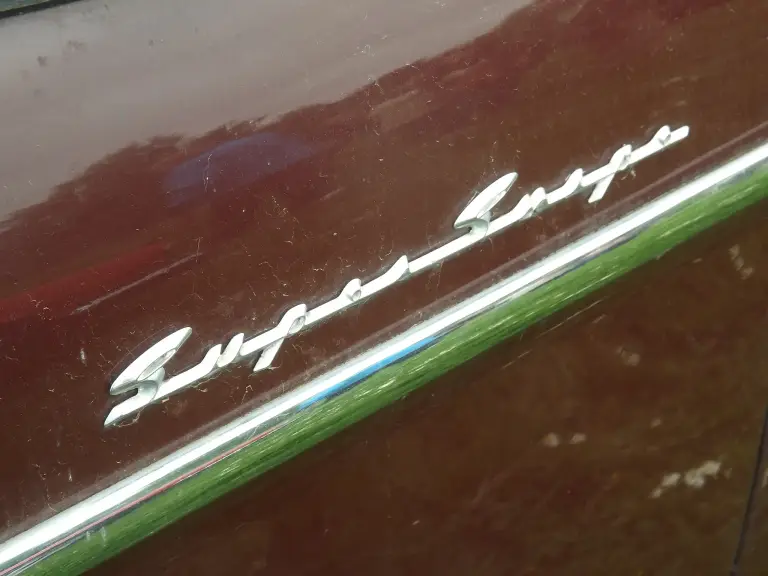
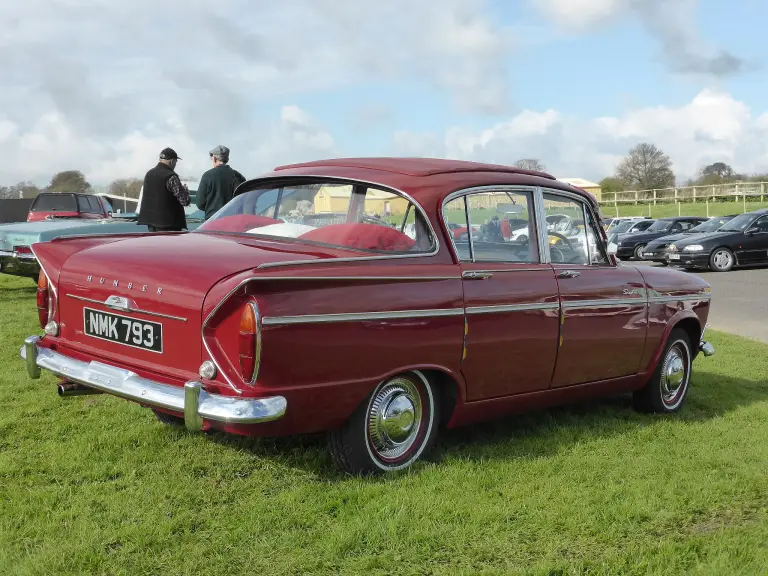
In 1964 the company revived the Humber Imperial name for a top-of-the-line Humber Super Snipe, distinguished by a slightly lower, differently shaped coupé-like vinyl-clad roof. Automatic transmission was standard and the interior was more luxuriously appointed. The range of large Humbers, including the Imperial, was withdrawn by Rootes in 1967.
Design and features
- Long-wheelbase chassis: the Pullman was a longer, wider development of the Snipe from the start.
- Formal bodies: limousine, landaulette and sedanca de ville, plus coachbuilt chassis for Thrupp & Maberly.
- Partition option: with a division it was a Pullman, without one the mechanically identical Imperial.
- Government service: the Imperial was favoured by British ministers, and Pullmans served as staff cars in the war.
- Great length: the 1951 Mark III matched the Rolls-Royce Silver Cloud at 212 inches.
Humber Pullman versions
- Pullman (1930–1939): 3,498 cc, 80 hp, then 4,086 cc and 100 hp from 1936.
- Imperial (1939–1940): shorter Snipe chassis, 81 mph, used by government ministers.
- Pullman Mark II (1948–1951): lengthened chassis, headlamps in the wings, seven-seat body.
- Pullman Mark III (1951–1953): longer still at 212 inches, all-synchromesh gearbox.
- Pullman Mark IV (1953–1954): 4,139 cc overhead-valve engine, 113–116 hp.
- Imperial revival (1964–1967): Super Snipe-based, vinyl roof, automatic as standard.
The Pullman was the long-wheelbase sister of the Humber Snipe and shared its four-litre engine with the Super Snipe. More cars are in the Humber collection.
Video: Humber Pullman MK1 1948 Limousine
Video on YouTube.
Sources
- Humber Pullman, English Wikipedia: history, engines, bodies, production totals