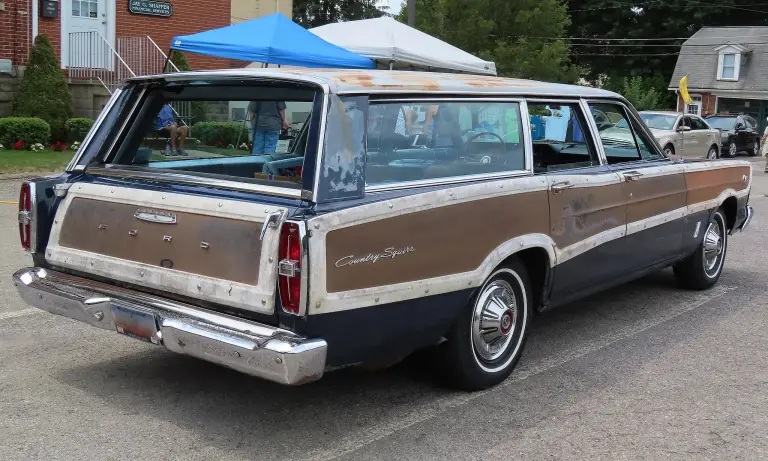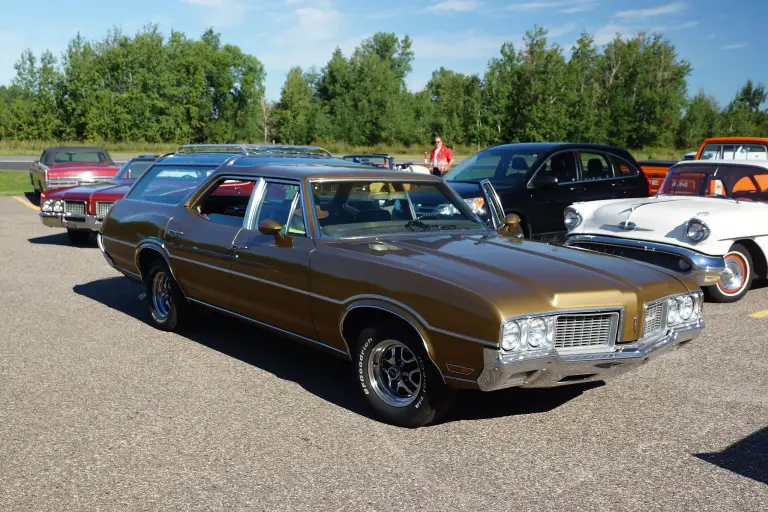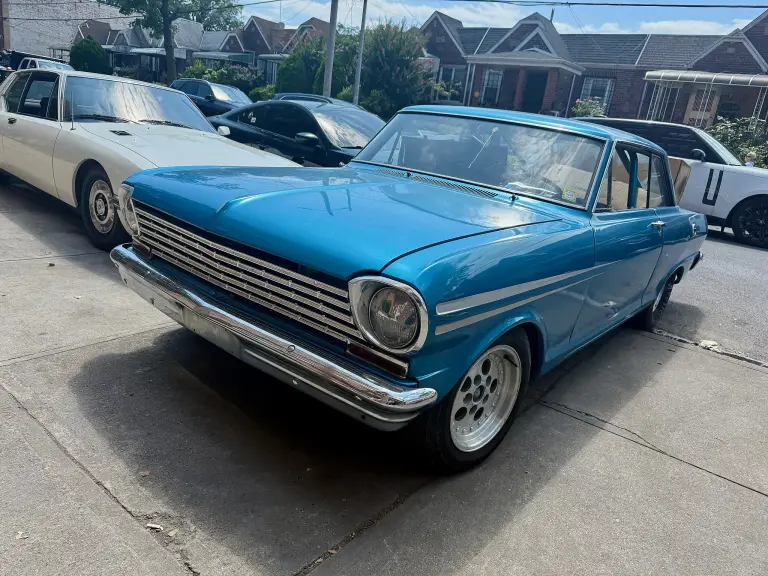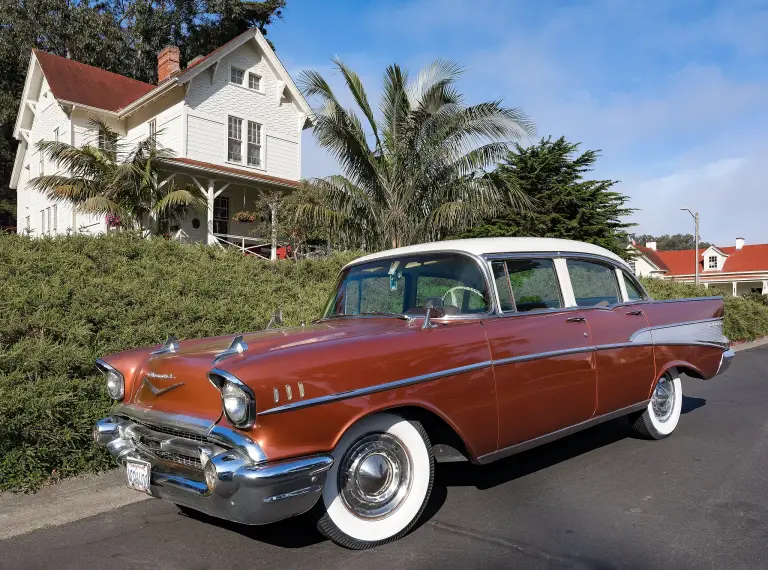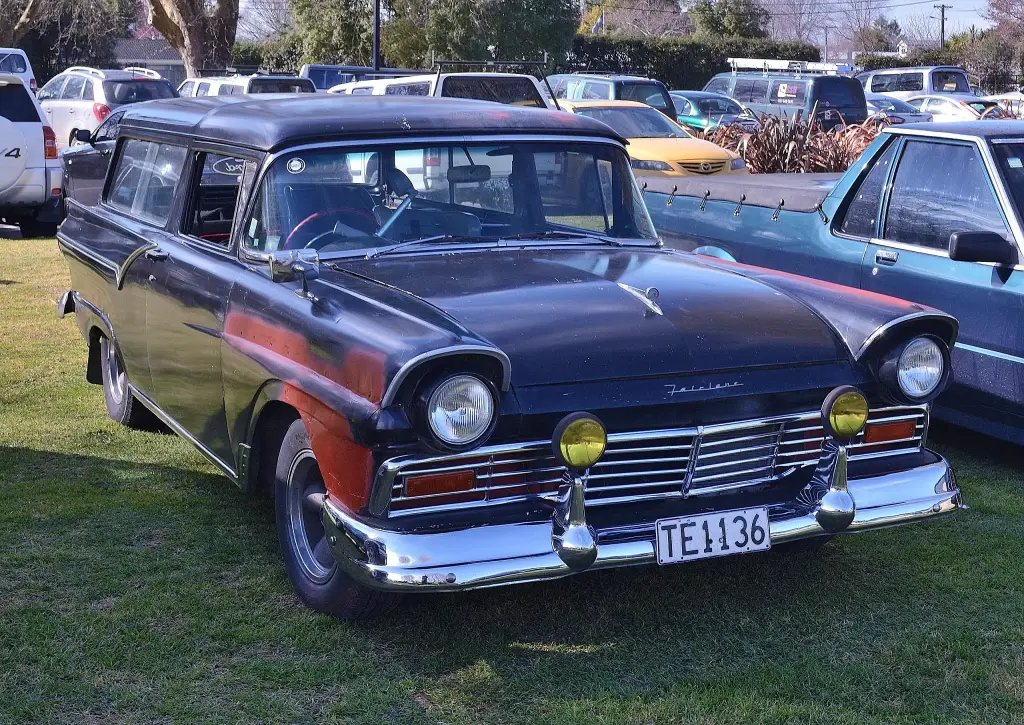
The Ford Ranch Wagon is a station wagon that Ford built in the United States from 1952 to 1974. It was a full-size model, except in 1963 and 1964 when it belonged to the intermediate Fairlane series, and it was always the lowest-priced wagon in its line.
Ford Ranch Wagon at a glance
| Maker | Ford, United States |
|---|---|
| Built | 1952 to 1974 |
| Position | lowest-priced wagon of its line |
| 1952 launch | two-door, economy Mainline series, inspired by the shooting-brake |
| Engines in 1952 | Mileage Maker six, flathead V8 optional |
| 1954 | Ford Y-block V8 replaced the flathead; a Customline Ranch Wagon added |
| 1957 | Del Rio Ranch Wagon introduced |
| 1958 | first four-door Ranch Wagon |
| 1961 | last full-size two-door wagon built |
| 1963–1964 | name used in the Fairlane series |
| 1966 | Magic Doorgate, opening down or sideways |
| 1974 | last Ranch Wagon sold to the public |
English Wikipedia is the only source used here, so the facts were not cross-checked against a second source; its sales table was not available in the text we read.
History of the Ford Ranch Wagon
1952 to 1962: the first all-steel wagons
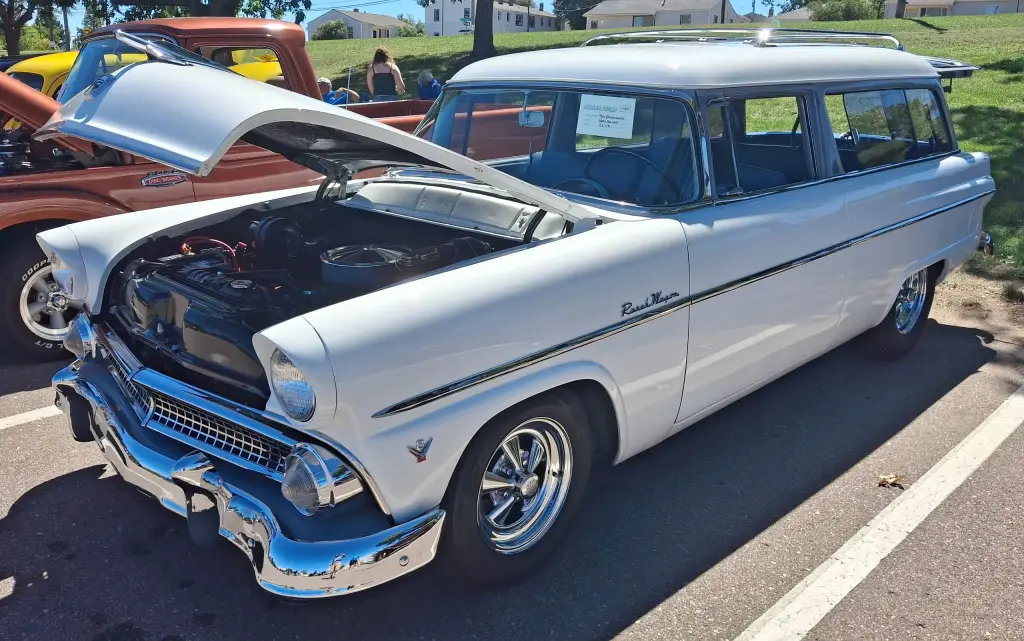
When Ford redesigned its cars for 1952, the Country Squire kept the look of wood for buyers who wanted it, while Ford gave other wagon buyers two new choices, the first all-steel wagons in the firm’s history: the four-door Country Sedan in the mid-range Customline series and the Ranch Wagon, a two-door model in the economy Mainline series, inspired by the European shooting-brake. The Ranch Wagon had the standard Mileage Maker six, with the long-familiar flathead V8 optional.
A second, fancier model in the Customline series was added for 1954, the year Ford’s new Y-block V8 replaced the flathead. The two were renamed Ranch Wagon and Custom Ranch Wagon for 1955, when the whole Ford station wagon line became a series of its own. For 1957 the Del Rio Ranch Wagon, with special ranch-pattern upholstery, replaced both the Custom Ranch Wagon and the Parklane; the same model was the basis for the new 1957 Ranchero and for a Mercury version, the Commuter. The first four-door Ranch Wagon appeared in 1958, the Del Rio was dropped for 1959, and by 1961 the two-door was the last full-size two-door wagon ever built.
1963 to 1974
In 1963 and 1964 no Ranch Wagon was in the full-size series, but the name was used in the intermediate Fairlane series, in base and 500 trim; the 1963 cars had a 200 cid six or any of three optional V8s. The Ranch Wagon returned to the full-size line for 1965, and in 1966 it gained the dual-action Magic Doorgate. In 1968 two Custom 500 Ranch Wagons were added, one with third-row side-facing seats. Wagons stopped being a separate series in 1969, when the base Ranch Wagon joined the low-end Custom series; from 1970 all Ranch Wagons had V8s, and the 1974 car was the last sold to the general public. From 1975 to 1977 small numbers of Custom 500 wagons were built for fleets, no longer called Ranch Wagon.
Design and features
- Role: the base wagon, below the Country Sedan and the Country Squire.
- Two-door body: the two-door Ranch Wagon lasted until 1961.
- Spin-offs: the 1957 Del Rio Ranch Wagon was the basis of the Ranchero.
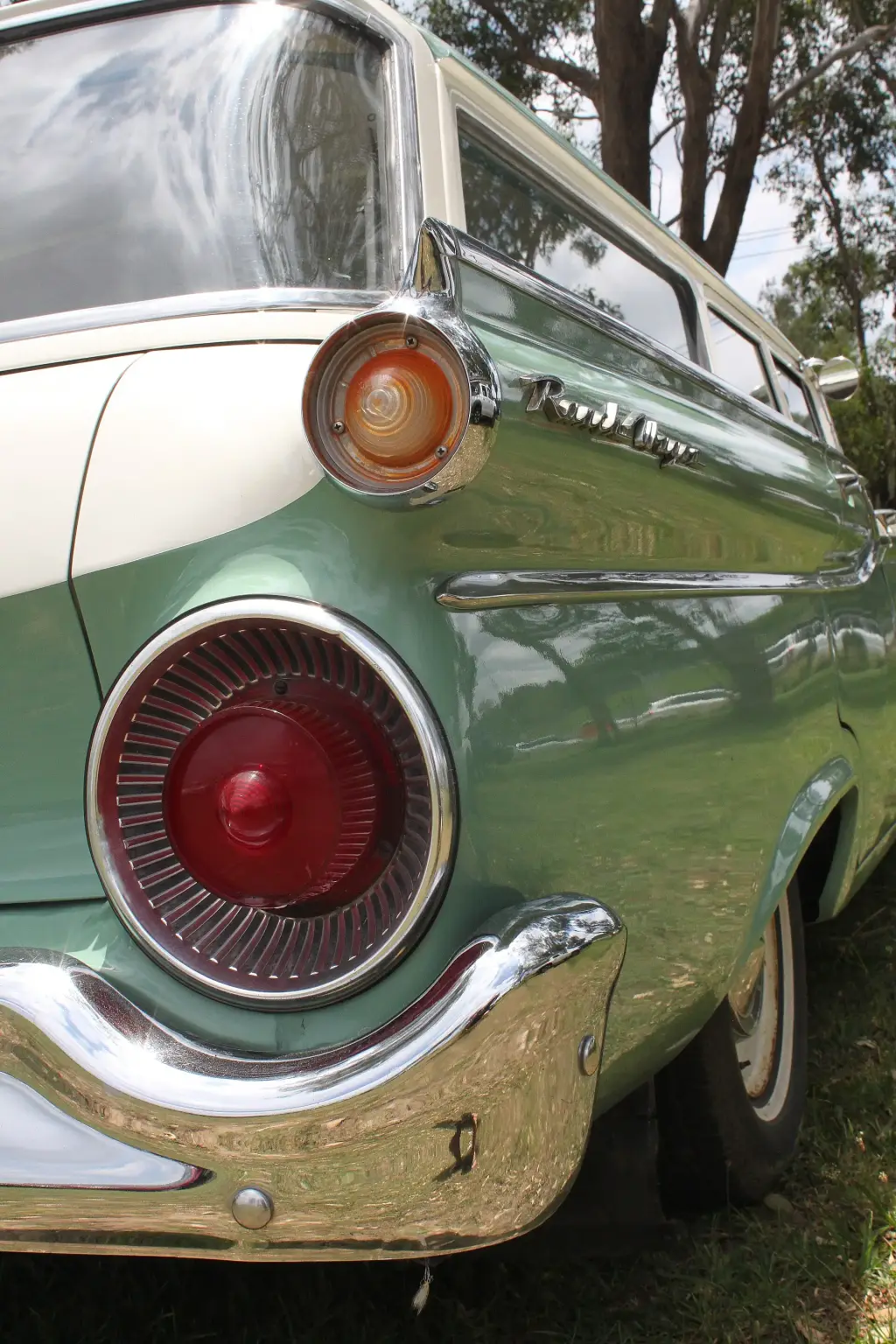
Ford Ranch Wagon versions
- Ranch Wagon (1952–1954): two-door Mainline wagon.
- Custom Ranch Wagon (1955–1956): the fancier two-door.
- Del Rio Ranch Wagon (1957–1958): special upholstery.
- Fairlane Ranch Wagon (1963–1964): intermediate-size.
More Ford cars are in our Ford collection; the wagons above the Ranch Wagon are the Country Sedan and the Country Squire.
Sources
- Ford Ranch Wagon, English Wikipedia: history by period