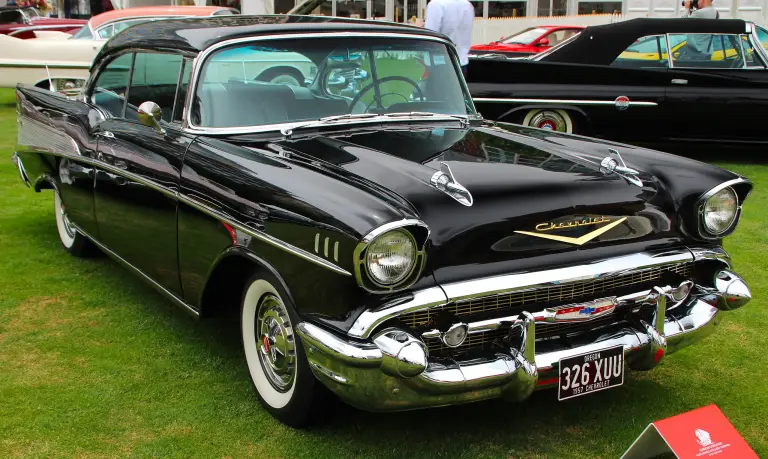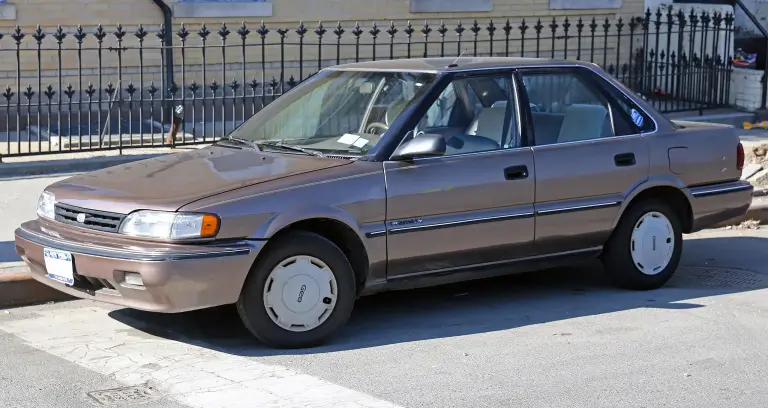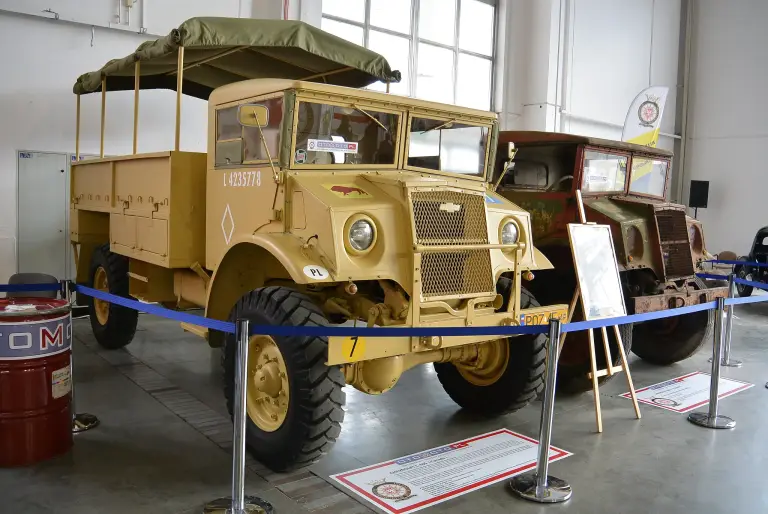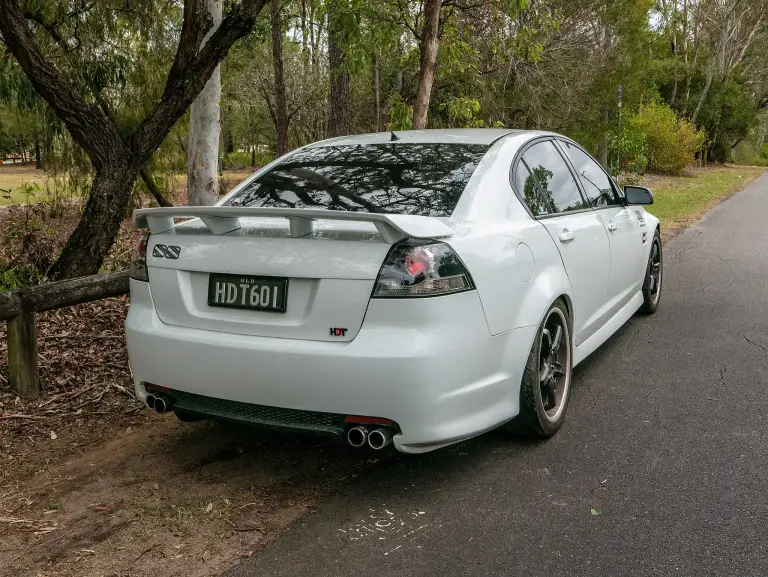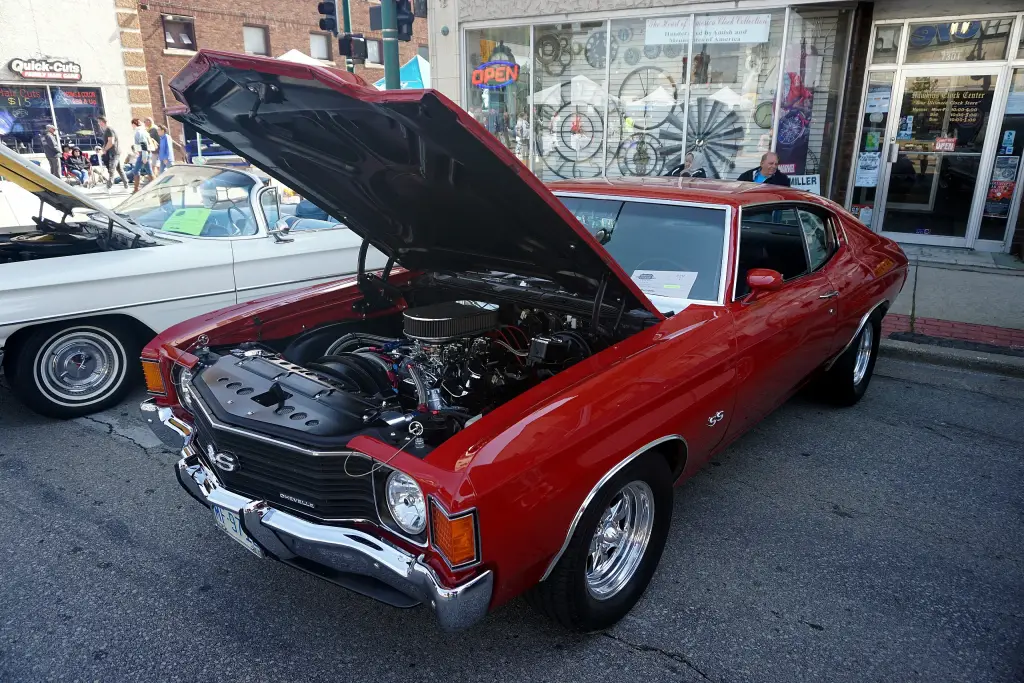
The Chevrolet Chevelle was Chevrolet’s mid-size car from 1964 until 1977. It was the only all-new American car for 1964, sat between the compact Chevy II and the full-size models, and in Super Sport form became one of the defining muscle cars of the 1960s.
Chevrolet Chevelle at a glance
| Production | 1964–1977, three generations |
|---|---|
| Class | Mid-size car, GM A-body platform |
| Wheelbase | 115 inches in the first generation |
| Body styles | Coupé, convertible, sedan, station wagon, plus the El Camino |
| First-year sales | 338,286 cars |
| 1964 SS production | 76,860 of 294,160 cars |
| Super Sport package | 162 dollars on the Malibu two-door hardtop or convertible |
| Top engines | 283, 327 and 396 cu in V8s, later 454 |
| Wagon names | Greenbrier, Concours and Concours Estate |
| Replaced by | Chevrolet Malibu from 1978 |
History of the Chevrolet Chevelle
The Chevelle was conceived in the early 1960s, when the Big Three were responding to the success of American Motors’ compact Rambler and Ford had launched the mid-size Fairlane in 1962. Chevrolet’s answer was a new A-body car on a 115-inch wheelbase, introduced in August 1963 by Bunkie Knudsen and positioned between the Chevy II and the full-size range. It was the only all-new American car for 1964 and sold 338,286 units that year. Although it was originally conceived as an enlarged Chevy II with a unibody, the production Chevelle used body-on-frame construction with a four-link coil-sprung rear suspension like the full-size cars. The name is thought to combine ‘gazelle’ with ‘Chevrolet’.
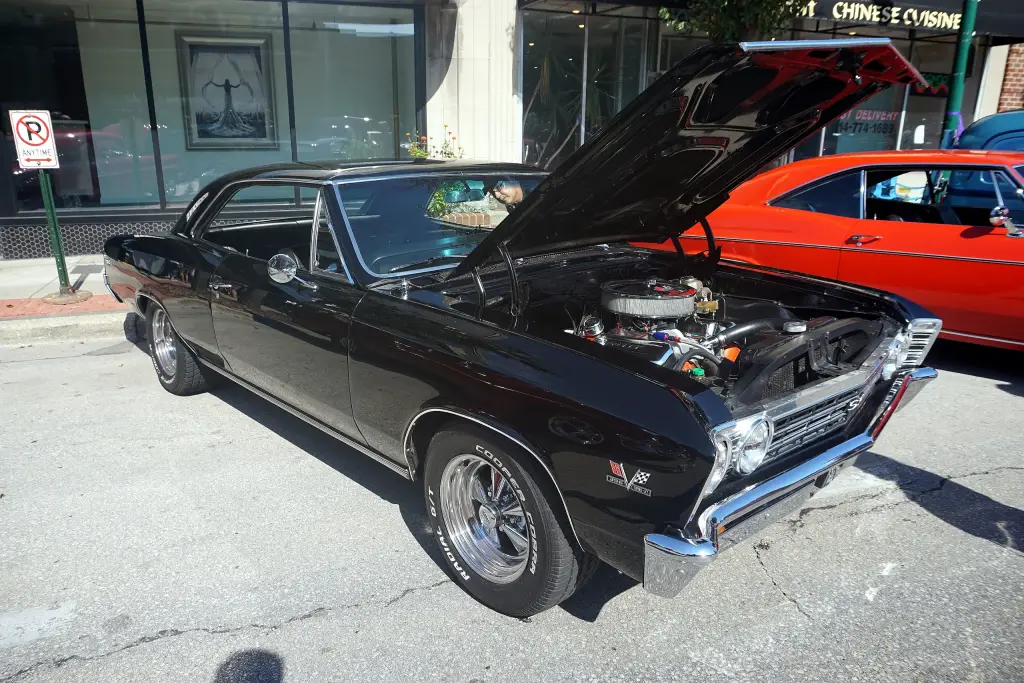
Two-door hardtops, convertibles, four-door sedans and four-door wagons were offered throughout the model’s life, along with the El Camino coupé utility derived from the two-door wagon. Sport Sedans, the four-door hardtops, were available from 1966 to 1972, and the station wagons carried their own names: Greenbrier, Concours and Concours Estate. In Canada the Chevelle was also sold with a Pontiac-style grille and a LeMans dashboard as the Beaumont from 1964 to 1969.
The Super Sport, or SS, was Chevrolet’s entry into the muscle-car market. In 1964 and 1965 the badge read Malibu SS, and the 162-dollar package brought special brightwork, SS emblems, Impala SS wheel covers, a bucket-seat interior with a floor console, a four-gauge cluster and an optional tachometer; the 283 cu in four-barrel V8 gave 220 hp. From mid-1964 the 327 was available with 250 or 300 hp, and a 350 hp version followed in 1965. The limited Z-16 of 1965 put the 396 big-block into 201 cars. In 1966 the SS 396 became a series of its own with reinforced frames and revised suspension. The Super Sport lasted through 1973, the Laguna from 1973 to 1976, and the Chevelle was replaced by the downsized Malibu for 1978.
Design and features
- Only all-new car of 1964: the Chevelle was a clean-sheet design in a year of facelifts.
- SS 396: the big-block Super Sport became a separate series in 1966.
- Body range: from a plain 300 sedan to the Concours Estate wagon and the El Camino.
- Name lives on: the Malibu, originally the top Chevelle trim, replaced the whole line in 1978.
Chevrolet Chevelle versions
- Chevelle 300: the base economy series with a two-door sedan and wagon in 1964–1965.
- Malibu: the top trim to 1972, with the SS package in the early years.
- SS 396: the big-block muscle car from 1966.
- Laguna (1973–1976): the later luxury-sport version.
- Beaumont: the Canadian Pontiac-dealer version sold to 1969.
The Chevelle filled the gap between the Chevrolet Nova and the full-size Chevrolet Impala, and its SS was a rival to the Chevrolet Camaro. More cars are in the Chevrolet collection.
Sources
- Chevrolet Chevelle, English Wikipedia: history, generations, SS, engines, sales