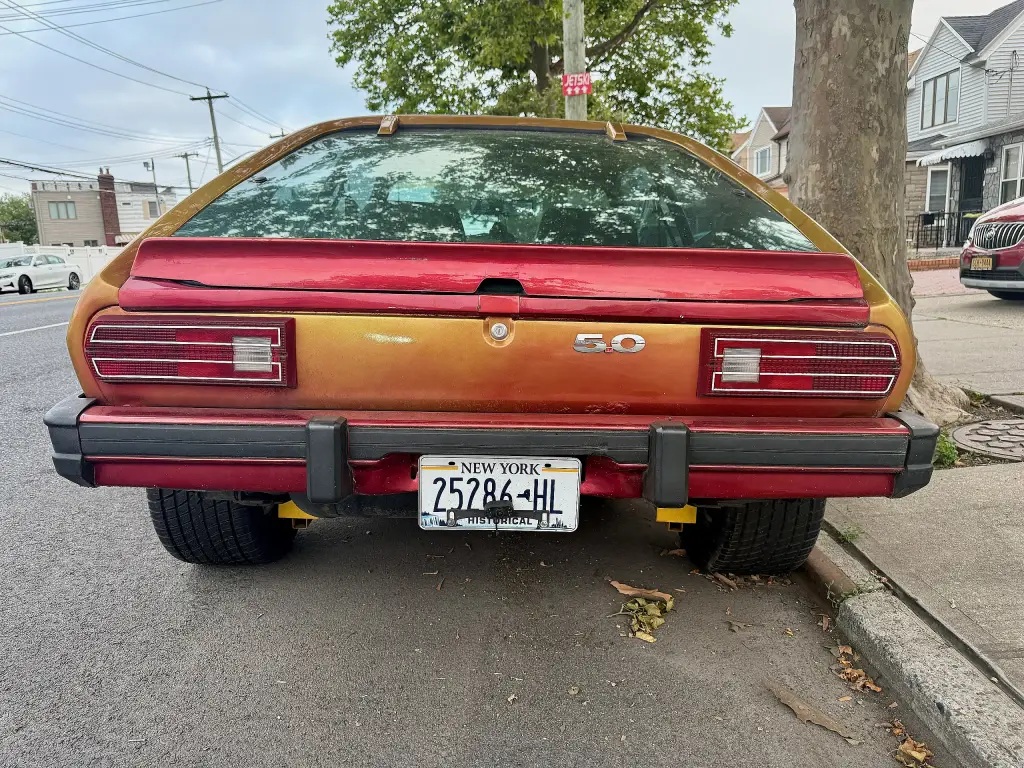
The Ford Pinto was a subcompact car manufactured and marketed by Ford in North America from 1970 until 1980, and the first subcompact Ford produced there. It was sold in three body styles and over three million were built, more than its domestic rivals combined.
Ford Pinto at a glance
| Maker | Ford, Edison, St. Thomas and San Jose assembly plants |
|---|---|
| Production | 1970–1980 |
| Introduced | 11 September 1970 |
| Bodies | two-door sedan, three-door hatchback (Runabout), two-door wagon |
| Platform | new, with powertrain from the European Escort |
| Rivals | Chevrolet Vega, AMC Gremlin |
| Built | over three million Pintos |
| Twin model | Mercury Bobcat, 1975–1980 |
| Bobcat production | about 224,000 |
| Name from | the horse with a distinctive coat |
This page is based on English Wikipedia only.
History of the Ford Pinto
A subcompact for North America
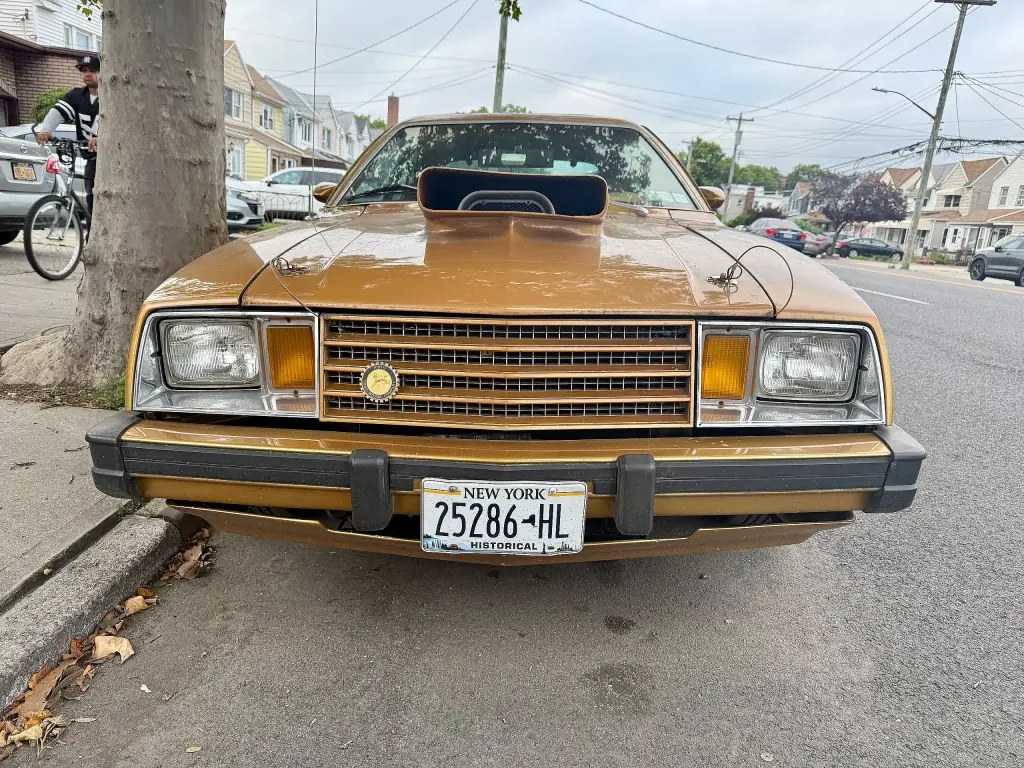
American makers had first answered imports such as the Volkswagen Beetle with compact cars like the Ford Falcon, Maverick, Chevrolet Corvair and Plymouth Valiant, but those had six-cylinder engines and belonged to a larger class. As Japanese imports such as the Toyota Corolla and Datsun 510 grew in popularity through the 1960s, Ford North America brought in the Cortina from Ford of Europe as a captive import before developing its own subcompact. The Pinto, named after the horse with the distinctive coat, was introduced on 11 September 1970, a day after the Chevrolet Vega and six months after the AMC Gremlin, on a completely new platform with a powertrain taken from the European-specification Escort. Ford chairman Henry Ford II bought a 1971 Runabout hatchback as one of his own cars.
Three body styles and a Mercury twin
The Pinto was sold as a two-door fastback sedan with a boot, a three-door hatchback and a two-door station wagon. Mercury offered rebadged versions as the Mercury Bobcat from 1975 to 1980, or 1974 to 1980 in Canada. Over its ten-year run Ford built more than three million Pintos, outproducing the Chevrolet Vega and the AMC Gremlin combined, plus about 224,000 Bobcats at Edison in New Jersey, St. Thomas in Ontario and San Jose in California.
The fuel tank controversy
In the 1970s the Pinto’s safety reputation became a controversy. The design of its fuel tank drew intense media and government scrutiny after several deadly fires caused by tank ruptures in rear-end collisions. Later analysis of the design’s overall safety suggested that the Pinto was comparable to other 1970s subcompacts, but the case and Ford’s response to it have been widely cited in business ethics and tort reform studies.
Design and features
- First Ford subcompact: Ford’s first small car designed for North America.
- Escort powertrain: engines from the European Escort on a new platform.
- Three bodies: sedan, Runabout hatchback and wagon.
- Mercury Bobcat: the divisional version sold from 1975.
Ford Pinto versions
- Two-door sedan: the booted fastback body.
- Runabout (1971): the three-door hatchback.
- Station wagon: the two-door wagon body.
- Mercury Bobcat (1975–1980): the Mercury version, about 224,000 built.
The Pinto sat below the Maverick in Ford’s North American range and later provided the platform for the Mustang II. More Ford vehicles are in the Ford collection.
Sources
- Ford Pinto, English Wikipedia: background, bodies, production, safety