The Fiat 682 is a truck and semi-trailer tractor produced by Fiat Veicoli Industriali from 1952 to 1988. It appeared after Italy adopted a new highway code in 1952 and went through a long line of developments, from the 682 N "122" to the 682 N4, becoming one of the most durable models in the company’s history.
Fiat 682 at a glance
| Production | 1952–1988 |
|---|---|
| Type | truck and semi-trailer tractor |
| Predecessor | Fiat 680 N |
| First model | 682 N "122", end of 1952 |
| Layout | 4×2; 3.8 m wheelbase truck, 3.3 m tractor |
| Gross weight | 14 tonnes |
| First engine | 10,170 cc six, 122 mm bore |
| From 1954 | Fiat 203, 10,676 cc, 140 CV |
| Turbo version | 180 CV, 682 N2 S and T2 S from 1960 |
| From 1962 | 11,548 cc, 178 CV in the 682 N3 |
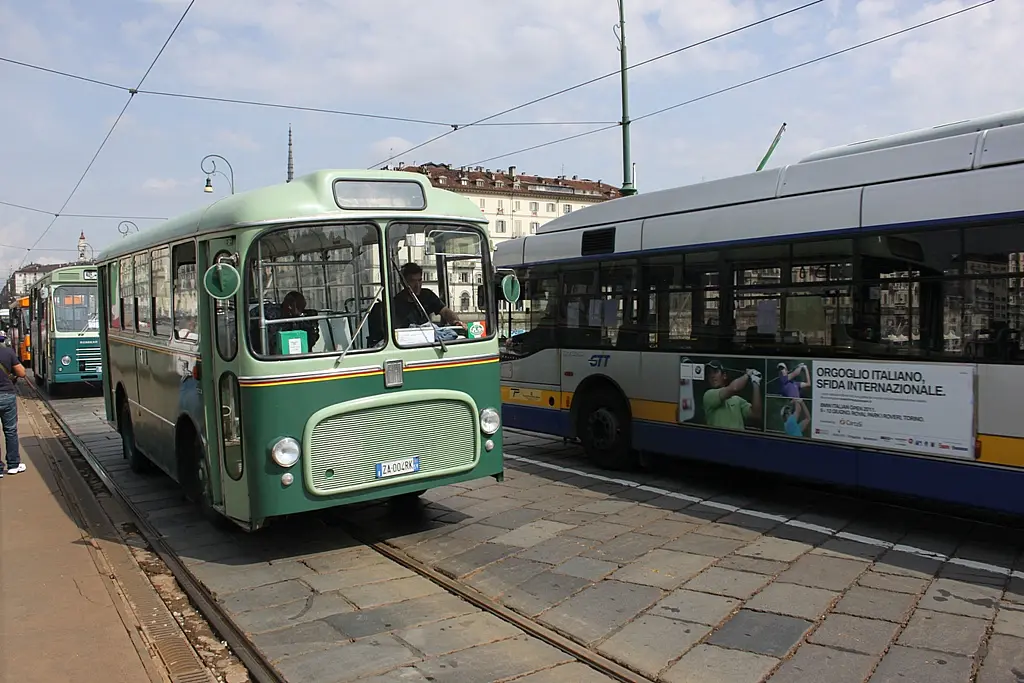
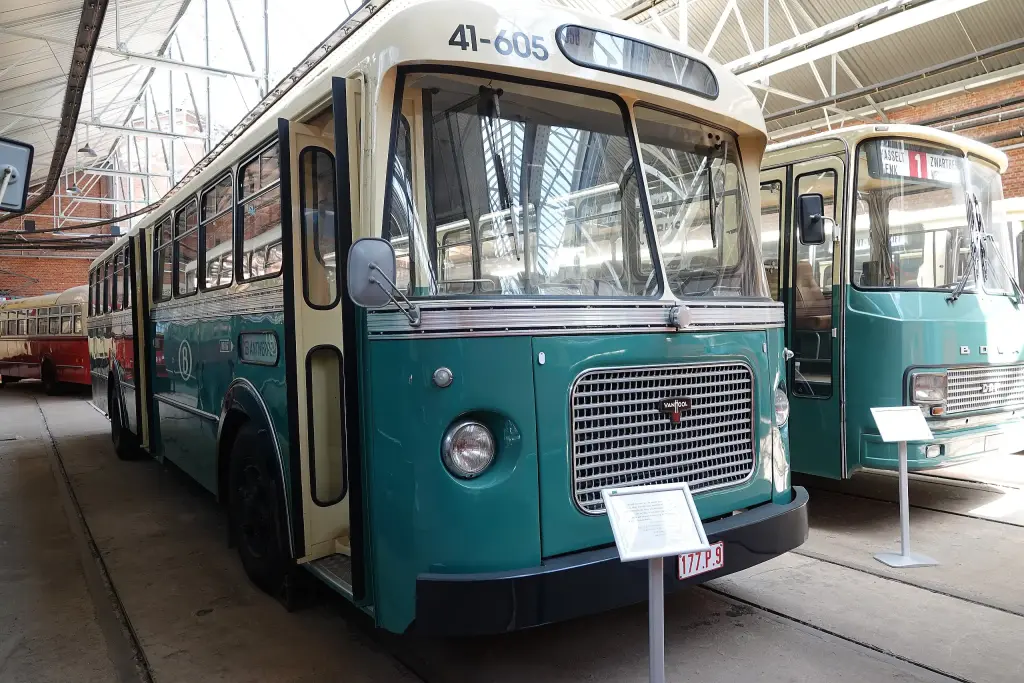
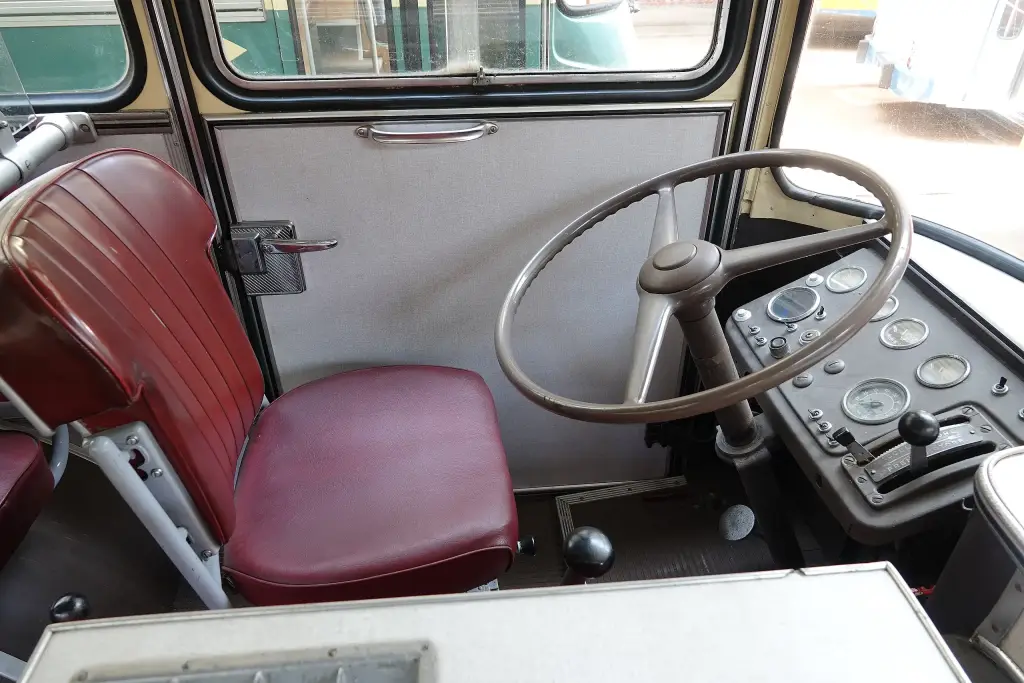
Based on one source, the Italian Wikipedia article. The photographs show a Van Hool-bodied bus on the 682 chassis, the only free images of the model available.
History of the Fiat 682
In 1952 Italy adopted a new highway code with new rules on the payload of trucks. At the end of that year Fiat replaced the 680 N, in production since 1948, with a new model, the 682 N. The first version took over the engine of the 680 with a slight increase in power: a six-cylinder unit of 10.17 litres with a piston bore of 122 mm, which gave the car its name of Fiat 682 "122". The chassis, cabin, gearbox and differential were of new design. At its debut there was a single version, a 4×2 truck with a 3.8-metre wheelbase and a gross weight of 14 tonnes, as the new Italian code required; the Fiat 682 T road tractor with a 3.3-metre wheelbase followed.
The first version of the 682 N suffered from several defects. Its new cylinder head with only two valves per cylinder, its bearings and other details made the engine more fragile than those of rivals, particularly the Lancia Esatau. After only a year, in 1953, the 122 was replaced by the "125", named after its 125 mm bore. The differences were mainly cosmetic, with the wipers moving from the split windscreen to the cabin roof and two flap-type air intakes added at the front, but the whole engine was revised and finally reached the reliability and durability that came to characterise the model. The 125 was also sold in Mexico by DINA, which fitted a Roots supercharger of 160 hp to the 203.045 engine.
In 1954 the 125 was replaced by the 682 N2, which like its predecessors had no power steering. The N2 was the first 682 with the Fiat 203 engine, an evolution of the 125 with six cylinders in line, 10,676 cc and 140 CV at 1,900 rpm. This robust and reliable engine made the model’s fortune. The N2 also introduced the rounded baffo cabin, named after the chrome moustache decorating its grille, which with few changes was fitted to Fiat medium and heavy trucks of the 1950s and 1960s, among them the 639, 642, 643, 645, 650, 662, 671, 683, 690 and 693.
In 1955 the N2 was lightly revised, with power raised to 152 CV and power steering added. A more important update came in 1959, when the doors changed from rear-hinged to front-hinged and the sliding windows were replaced by descending ones. In 1960 the standard model was joined by the 682 N2 S and 682 T2 S with a turbocharged engine of 180 hp, although reliability suffered badly because the lack of a heat exchanger led to overheating. In 1961 the turbocharged 682 became the basis for the Fiat 413 bus.
The 682 N3 of 1962 had a new engine of 11,548 cc with maximum torque at only 900 rpm and 178 CV; the supercharged version was not repeated because it had sold poorly. The last development, the 682 N4, appeared in 1967 with the same engine, strengthened transmission and a new front grille with square mesh. From 1967 production continued in Italy and in several African states without major updates, and the last Fiat 682 left the line in 1988, more than 35 years after the model was born.
All 682s built by Fiat were 4×2, but many were converted to 6×2 by outside firms that added a third rear axle. In Europe the model was gradually joined by the 684 N, later renamed Fiat 160 NC in 1974, which never matched its success. Designed for loads from 14 to 44 tonnes and for extreme conditions including off-road work, the 682 earned a reputation for strength and reliability, and examples are still found in Africa with millions of kilometres behind them. Since 2012 Iveco has sold a road tractor called Iveco 682, built in China by its joint venture with SAIC and inspired by the original for robustness and low running costs. A bus derivative, the 682 RN with a lowered chassis, was replaced in 1956 by the Fiat 306, the first Fiat bus designed as such rather than as a body on truck mechanicals.
Design and features
- Fiat 203 engine: the 10,676 cc six of 140 CV that made the model’s reputation.
- Baffo cabin: the rounded cab with a chrome moustache, shared with many Fiat trucks.
- Long production: built from 1952 to 1988 with only gradual changes.
- Export strength: assembled in Mexico by DINA and still working in Africa.
- Bus derivative: the 682 RN, replaced by the purpose-built Fiat 306 in 1956.
Fiat 682 versions
- 682 N "122": the original 4×2 truck of 1952.
- 682 "125": 1953 revision with a stronger engine.
- 682 N2: 1954 model with the Fiat 203 engine and the baffo cabin.
- 682 N2 S and T2 S: turbocharged versions of 180 hp from 1960.
- 682 N3: 1962 model with an 11,548 cc engine of 178 CV.
- 682 N4: 1967 model with strengthened transmission and a square-mesh grille.
The 682 was replaced in the catalogue by the Fiat 619 and its bus derivative gave way to the Fiat 306. More vehicles are in the Fiat collection.
Sources
- Fiat 682, Italian Wikipedia: development, engines, cabs, production, legacy