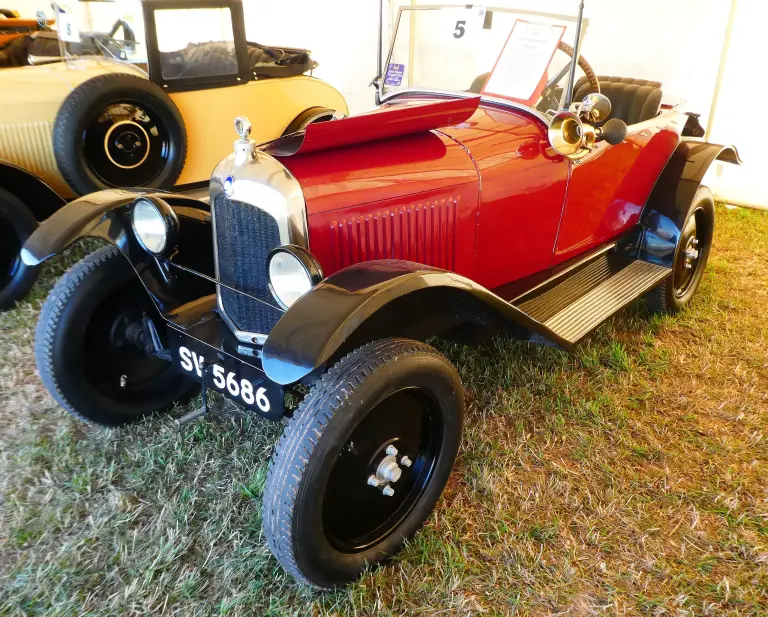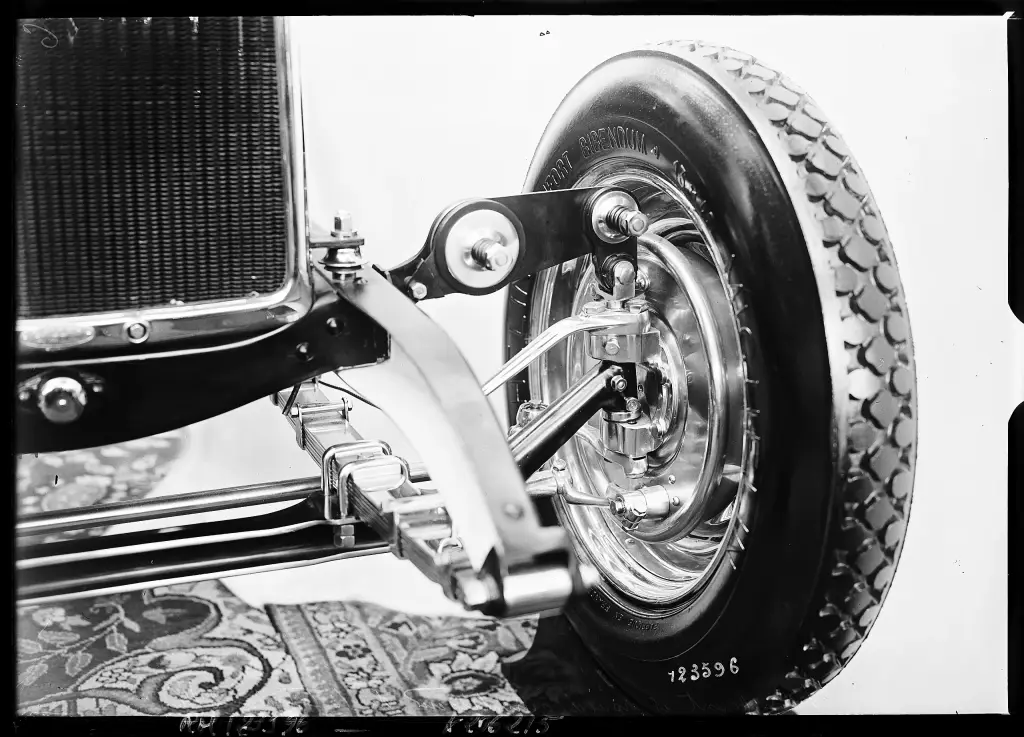
The Citroën B14, nicknamed « Tout Acier » (all steel), was presented at the Paris Salon in October 1926. It was a decisive technical step beyond the B12, and it carried André Citroën’s wish, expressed since 1924, to take wood out of the structure of his cars.
Citroën B14 at a glance
| Maker | Citroën, France |
|---|---|
| Presented | Paris Salon, October 1926 |
| Nickname | Tout Acier (all steel) |
| Predecessor | Citroën B12 |
| Engine | four-cylinder inline, 1,539 cc, 70 x 100 mm |
| Power | 22 hp at 2,300 rpm |
| Top speed | 80 km/h |
| Brakes | four-wheel drum, servo-assisted on the B14F and B14G |
| Gearbox | three-speed, unsynchronised |
| Tyres | Michelin 13×45 Superconfort |
| Price | 22,600 francs for the berline or demi-luxe conduite intérieure |
| Also built | B15 utility with a 1,000 kg chassis |
Based on one source (French Wikipedia); there is no English article on the B14.
History of the Citroën B14
1926: lighter, smoother, better braked
The B14 was a clear advance on the B12. Its chassis was lighter, its engine more flexible, and the foot brake now acted on all four wheels; the new gearbox was judged more pleasant and more reliable than its predecessor’s. The « Tout Acier » name reflected the steel structure that replaced the wooden framing Citroën had been phasing out since 1924.
B14F and B14G
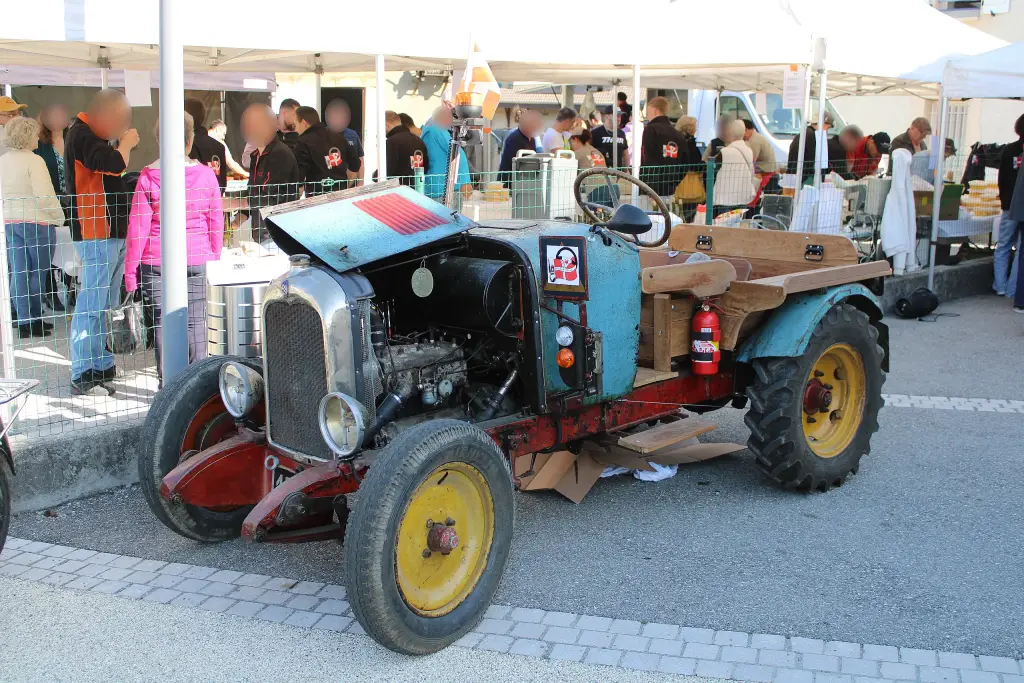
In March 1927 the car became the B14F, with brakes assisted by a Westinghouse servo, and the top speed reached 80 km/h. The body catalogue was wide: torpedo in série, luxe and commerciale forms; conduite intérieure with four doors, six windows and a boot; berline with four windows; familiale; coach; cabriolet in two, three or four places, fixed or folding; coupé de ville; taxi as conduite intérieure, landaulet and conduite intérieure landaulet; and the open « normande » utility. At the Paris Salon of 1927 the B14G appeared with a more refined silhouette and a complete familiale in the range.
The engineering
The engine was a four-cylinder inline of 1,539 cc with a 70 x 100 mm bore and stroke, giving 22 real horsepower at 2,300 rpm. It had side valves, water cooling without a pump (thermosiphon), fixed-advance magneto or coil ignition and a 6 V 60 Ah battery, and breathed through Solex carburettors. The gearbox had three unsynchronised ratios, the brakes were mechanical drums, and the car rode on Michelin 13×45 Superconfort tyres. Unlike the four models before it, which were all rated at 10 CV, both B14 engines were rated at 9 CV.
A popular car
The B14 met with real success given its price of 22,600 francs for the berline or the demi-luxe conduite intérieure. That price and Citroën’s effective advertising helped make the marque the most popular of the 1920s: close to a third of the vehicles on French roads in 1926 were Citroëns. A utility version on a 1,000 kg chassis, the B15, was produced alongside it with the same improvements.
Design and features
- All-steel structure: wood was removed from the body framing, as André Citroën had wanted since 1924.
- Four-wheel brakes: the foot brake worked on all four wheels, with Westinghouse servo assistance from 1927.
- Smoother engine: a 1,539 cc four of 22 hp, more flexible than the B12’s unit.
- Huge body range: from torpedo and coach to taxi, landaulet and the open normande utility.
- B15 utility: a 1,000 kg chassis version built alongside the car.
Citroën B14 versions
- B14 (1926): the original all-steel model.
- B14F (March 1927): Westinghouse servo brakes, 80 km/h.
- B14G (Salon 1927): refined body shape and a complete familiale.
- Body styles: torpedo, conduite intérieure, berline, familiale, coach, cabriolet, coupé de ville, taxi and normande.
- B15: the 1,000 kg utility chassis version.
The B14 followed the Type B2 and sat below the bigger Type A lineage that began Citroën’s car production; its utility sister is the B15. More cars are in the Citroën collection.
Video: Citroen B14 first start
Video by The138323 on YouTube.
Sources
- Citroën B14, French Wikipedia: dates, bodies, engine, brakes, price, B15