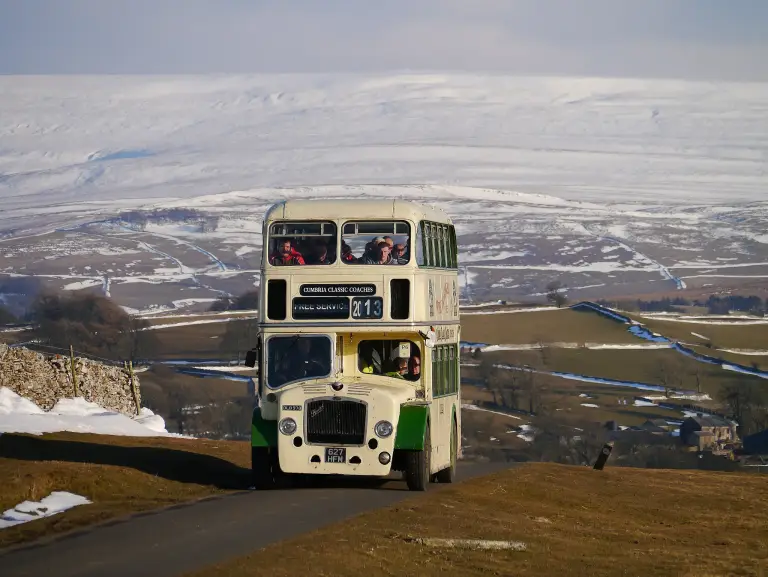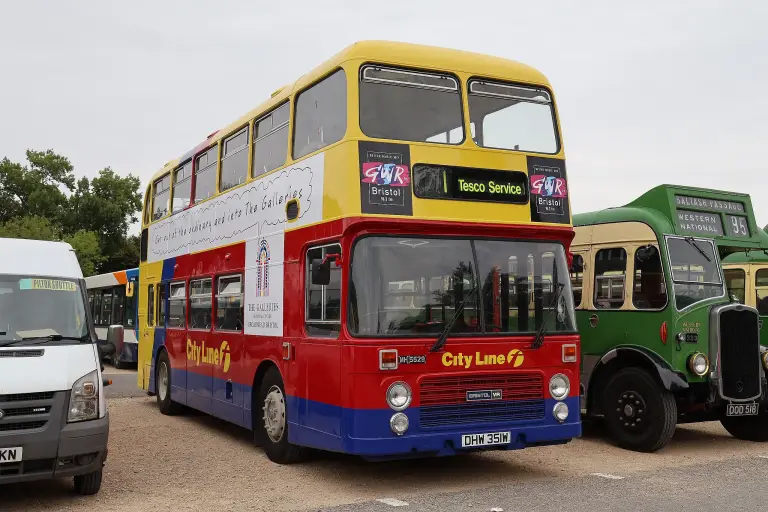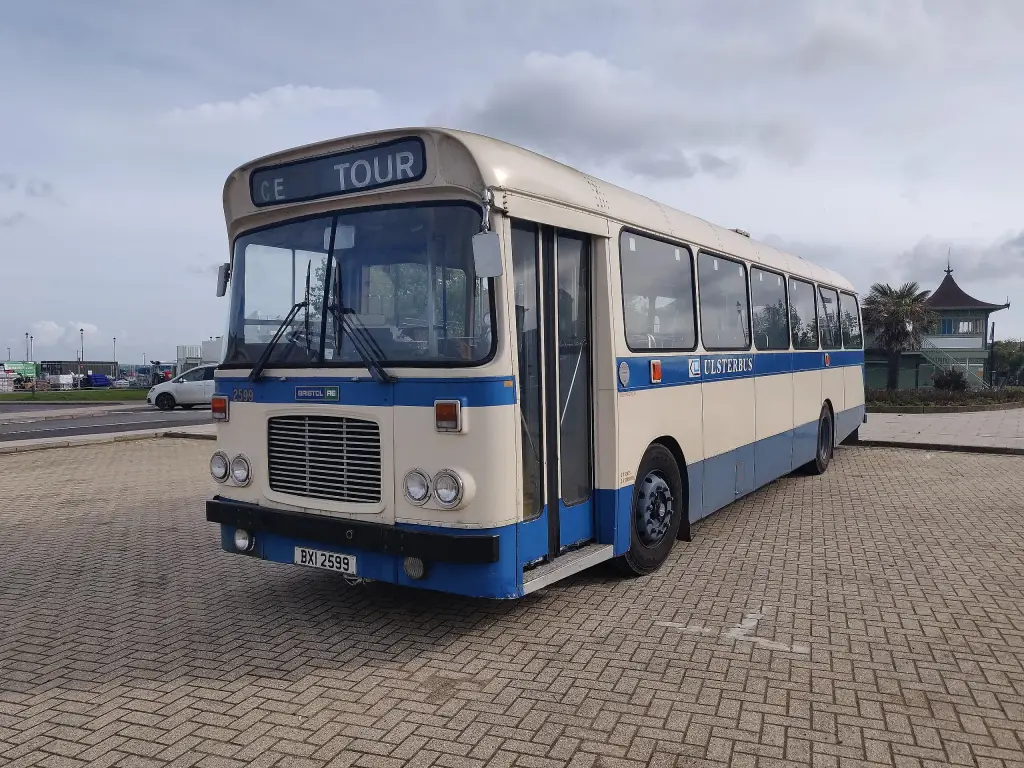
The Bristol RE was a rear-engined single-decker bus and coach chassis built by Bristol Commercial Vehicles from 1962 until 1983, and is often considered the most successful of the first generation of rear-engined single-decker buses. The high-frame RELH coach version is the model recorded on this page.
Bristol RE at a glance
| Maker | Bristol Commercial Vehicles |
|---|---|
| Production | 1962–1983 |
| Layout | rear engine, single deck |
| Versions | RELL, RESL, RELH, RESH, REMH |
| Engines | Gardner 6HLX or Leyland O.600/O.680 diesel |
| RELL built | 2,839, the most popular version |
| RELH built | 976, the high-frame coach and dual-purpose chassis |
| RESL built | 698 |
| Total built | 4,629 |
| Bodies | ECW most common; also Duple, Plaxton and Alexander |
The record filed here was a Bristol RELH, the long high-frame coach chassis covered by the English Wikipedia article on the RE family.
History of the Bristol RE
The RE was built by Bristol Commercial Vehicles from 1962 until 1983 and is often considered the most successful of the first generation of rear-engined single-decker buses. Initially it was supplied only to subsidiaries of the nationalised Transport Holding Company, which wholly owned Bristol Commercial Vehicles. From 1965, when Leyland bought a 25 per cent shareholding in Bristol and its products became available to non state-owned operators, the RE also gained popularity with companies in other sectors, including the British Electric Traction Group and many municipal operators.
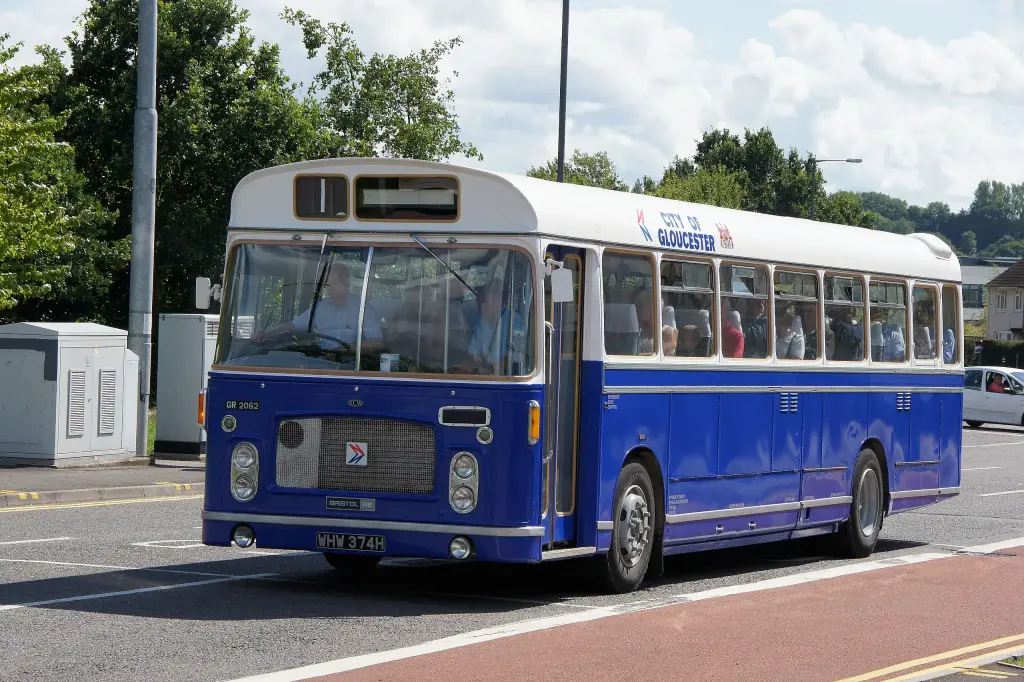
From 1972 sales to the National Bus Company, which had taken over both the Transport Holding Company and BET operations, began to dry up with the arrival of the Leyland National. From 1976 the RE remained in production only for the Northern Irish state-owned Ulsterbus and Citybus and for export to the Christchurch Transport Board in New Zealand.
Bodies and variants
In Great Britain the RE was most commonly bodied by Eastern Coach Works, but several other manufacturers built bodies on the chassis. Some coaches received Duple Commander, Plaxton Panorama Elite or Alexander M Type bodywork, and in Northern Ireland Alexander of Belfast fitted its X-Type body.
The designations described the frame and length. RELL was the long 36-foot low-frame bus, RESL the short low-frame bus, RELH the long 36-foot high-frame coach or dual-purpose chassis, RESH the rare short high-frame version and REMH the maximum-length 12-metre high-frame coach. A suffix showed the engine: 6G for a six-cylinder Gardner 6HLX and 6L for a six-cylinder Leyland O.600 or O.680.
The most popular model was the RELL with 2,839 built, followed by 976 RELH and 698 RESL. The least successful were the REMH, with 105 sold to just three customers, and the RESH, with 11 built for four customers. A sixth model, the REML, was advertised from 1968 combining the 20-foot wheelbase of the REMH with a low frame for a bus body, but none was built.
Prototype and customers
What was to be the first production chassis, 212.001, became a pre-production model numbered REX.003, with a coach body by ECW stripped of seats and fittings. It served Bristol Commercial Vehicles at the Brislington Experimental Shop for a few years, running a horizontal turbocharged version of the contemporary Bristol BVW engine before the Gardner engine was refitted, the body completed and the vehicle sold to West Yorkshire as fleet number CRG1, registered OWT241E.
Of the 4,629 Bristol REs built, 3,242 went to subsidiaries of the National Bus Company and its predecessor groups, 148 to members of the Scottish Bus Group, 405 to British municipalities and passenger transport executives and 834 to other operators. The biggest customers were Bristol Omnibus Company with 439, Crosville Motor Services with 288, Ulsterbus and Citybus with 620, United Automobile Services with 470 and West Yorkshire Road Car Company with 259.
Three ex-Citybus REs from Belfast were bought by Pinewood Studios in October 2005 and appeared in films including Children of Men and St Trinian’s 2: The Legend of Fritton’s Gold.
Design and features
- Rear engine: a single-deck layout that became the industry standard.
- Five versions: low and high frames in short, long and maximum lengths.
- RELH coach chassis: a 36-foot high frame for coach and dual-purpose bodies, 976 built.
- Film work: ex-Belfast REs appeared in British films after 2005.
Bristol RE versions
- RELL: long, low-frame bus, 2,839 built.
- RESL: short, low-frame bus, 698 built.
- RELH: long, high-frame coach or dual-purpose chassis, 976 built.
- RESH: short, high-frame coach chassis, 11 built.
- REMH: maximum-length 12-metre coach chassis, 105 built.
- REML: advertised from 1968, never built.
The RE was the bigger stablemate of the Bristol LH and followed the Bristol MW; the company behind them is on the Bristol Commercial Vehicles page. More are in the Bristol collection.
Sources
- Bristol RE, English Wikipedia: versions, production, customers