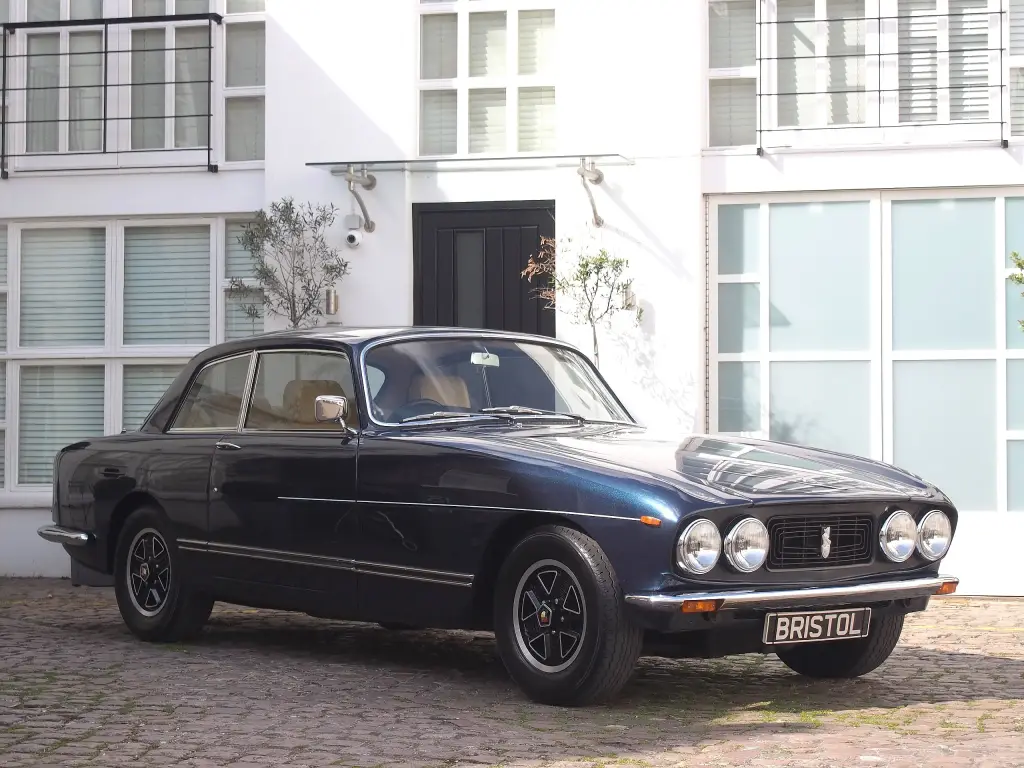
The Bristol 411 was the fifth series of Chrysler V8-engined Bristol models and was built from 1969 to 1976. For the first time since the 407, Bristol changed its engine: the old A-type unit gave way to a 6,277 cc big-block, giving an estimated 30 per cent more power and a top speed of 143 mph.
Bristol 411 at a glance
| Maker | Bristol Cars |
|---|---|
| Production | 1969–1976 |
| Series | five, plus a Series 6 conversion in 2010 |
| Engine | 6,277 cc Chrysler big-block B series V8; 6,556 cc from the Series 4 |
| Top speed | 230 km/h (143 mph) |
| Differential | limited slip, to cope with the extra power |
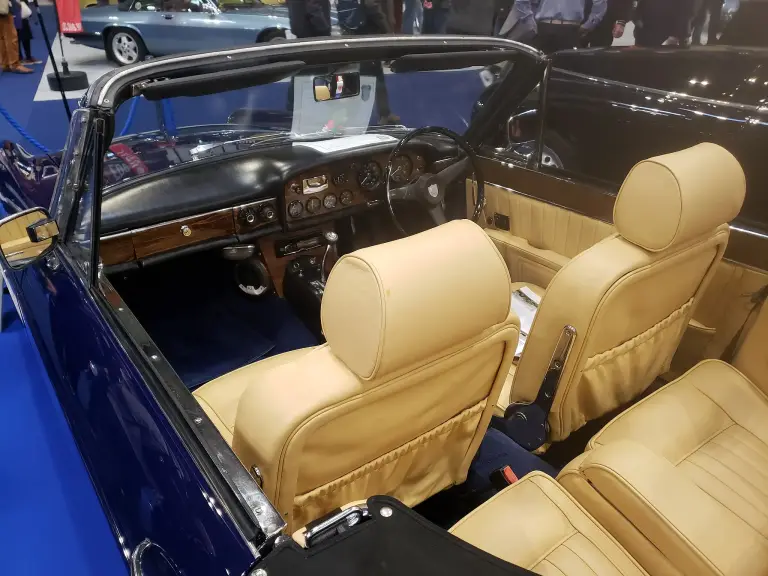
| Steering wheel | three-spoke leather-wrapped, replacing the Blümel twin-spoke |
| Series 2 (1971) | self-levelling suspension and metric odometer |
| Series 3 (1972) | four headlamps, revised styling, bigger alternator |
| Series 4 (1974) | compression 8.2:1, 6,556 cc engine, 265 bhp |
| Series 5 (1975–1976) | Bristol badge restored, inertia-reel seat belts |
This page is based on the English Wikipedia article on the Bristol 411.
History of the Bristol 411
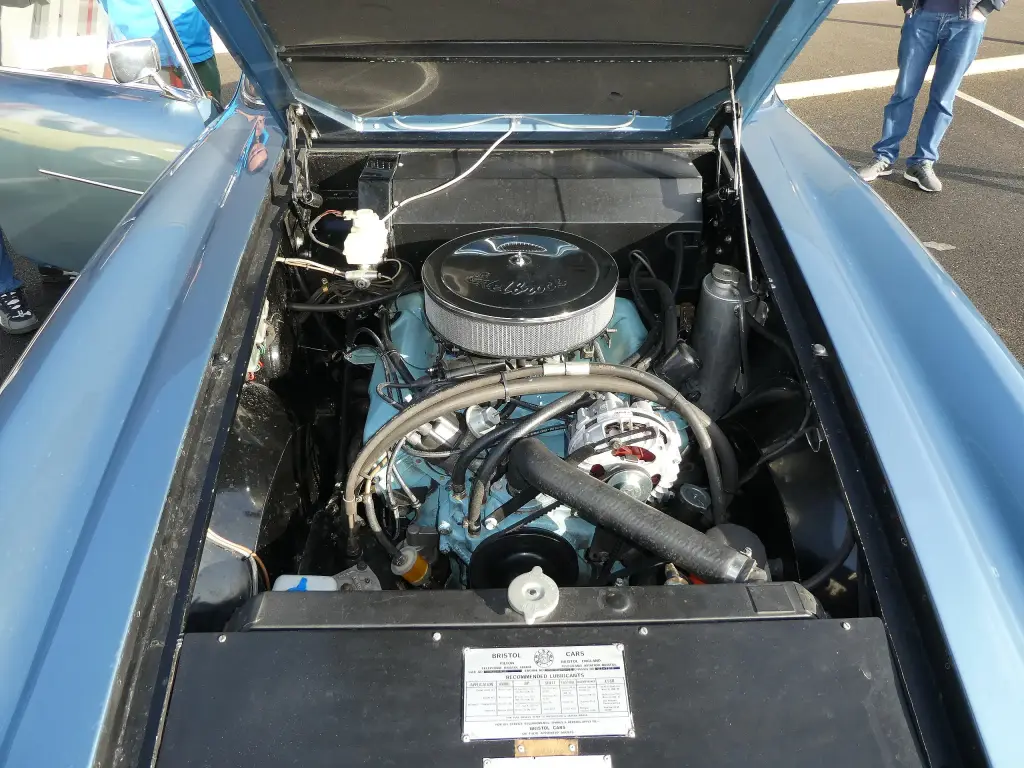
The 411 was built by Bristol Cars from 1969 to 1976 as the fifth series of Chrysler V8-engined Bristol models, and contemporary reviewers rated it highly for comfort, performance and handling. With the 411, Bristol made its first engine change since the 407: the cars still used a Chrysler V8, but the old A-type engine was gone, replaced by the much larger big-block B series of 6,277 cc (383 cubic inches) against the 5,211 cc of the 410. The bigger engine gave an estimated 30 per cent more power and torque, enough for 230 km/h (143 mph), and a limited-slip differential was fitted to cope with it.
Inside
The interior showed a number of important changes from the 410. The traditional Blümel twin-spoke steering wheel was replaced by a more practical three-spoke leather-wrapped wheel, which became the only place where the Bristol badge remained once the badge was removed from the front of the car.
Five series
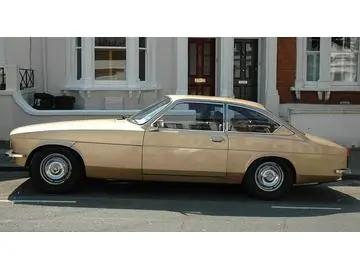
Over seven years in production the 411 changed several times. The 1971 Series 2 added self-levelling suspension and a metric odometer, while the Series 3 of a year later had a lower compression ratio and completely revised styling. That edition was the first Bristol with the four-headlamp layout oddly anticipated by some of the company’s earliest models, and a bigger alternator was used to power it.
For the Series 4 of 1974 the compression ratio was reduced sharply from 9.5:1 to 8.2:1, compensated by a larger B series engine of 6,556 cc (400 cubic inches). American power outputs had previously been quoted as gross figures; by the time the larger engine reached Bristol the figures were net, and the Series 4 and 5 engines produced 265 bhp (198 kW) and 335 lb·ft (454 N·m) of torque. The rear lights also changed to vertically mounted rectangular Lucas clusters, which carried over to the early 603 models. The Series 5 of 1975 to 1976 restored the original Bristol badge and was the first Bristol with inertia-reel seat belts.
Series 6
In 2010 Bristol Cars offered a modernised version, the Series 6, a refurbished car based on existing 411s. Its only engine was the fuel-injected 5.9-litre Chrysler Magnum V8 used in the later Bristol Blenheim, allowing up to 400 hp (298 kW) depending on the customer’s wishes.
Design and features
- Big-block V8: 6,277 cc, later 6,556 cc, for about 30 per cent more power than the 410.
- 143 mph: a claimed top speed of 230 km/h, with a limited-slip differential as standard.
- Four headlamps: introduced with the Series 3, echoing Bristol’s earliest cars.
- Leather steering wheel: a three-spoke wheel replaced the Blümel twin-spoke type.
Bristol 411 versions
- Series 1 (1969–1971): 6,277 cc engine and the original interior.
- Series 2 (1971): self-levelling suspension and metric odometer.
- Series 3 (1972): four headlamps and revised styling.
- Series 4 (1974): 6,556 cc engine, lower compression and Lucas rear lamps.
- Series 5 (1975–1976): Bristol badge restored and inertia-reel belts.
- Series 6 (2010): factory refurbishment with a fuel-injected 5.9-litre Magnum V8.
The 411 followed the Bristol 410 and was replaced by the Bristol Type 603 in 1976. All Bristol models are in the Bristol collection.
Video: BRISTOL 411 Series 4
Video by PhenomStaR on YouTube.
Sources
- Bristol 411, English Wikipedia: engine, series changes, interior