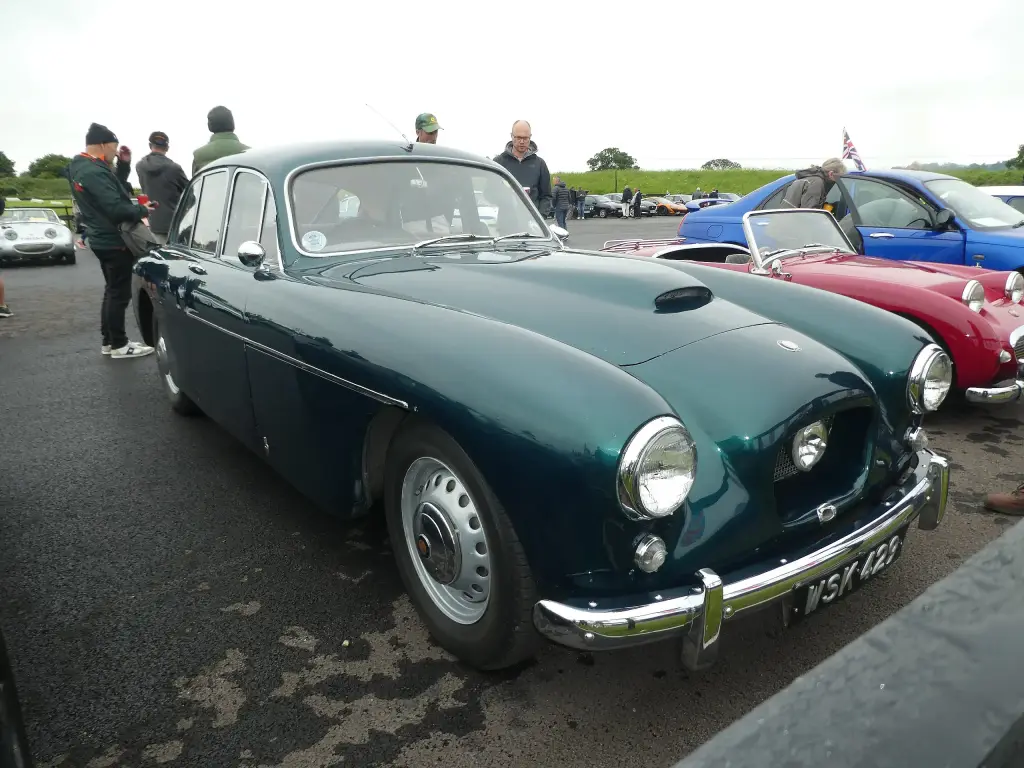
The Bristol 404 and Bristol 405 were the last six-cylinder Bristols before the Chrysler V8 era. The short 404 coupé arrived in 1953, the longer 405 saloon and drophead coupé in 1955, and both replaced the 403 with sharper handling and a new aero-engine style of grille.
Bristol 404 and 405 at a glance
| Maker | Bristol Aeroplane Company |
|---|---|
| Production | 404 from 1953 to 1958, 405 from 1955 to 1958 |
| Bodies | two-seat coupé (404); four-door saloon and two-door drophead (405) |
| Wheelbase | 2,438 mm (404), 2,896 mm (405) |
| Engine | 1,971 cc straight-six |
| Power | 105 bhp (100B), 125 bhp (100C) |
| Carburettors | Solex triple downdraft |
| Compression | 8.5:1, against 7.5:1 on earlier Bristols |
| Built | 265 four-door saloons of 308 405s, plus 43 dropheads |
The English Wikipedia page covers the 404 and 405 together; numbers such as 308 and 43 refer to the 405.
History of the Bristol 404 and 405
The 404 and 405 succeeded the Bristol 403, and there is considerable confusion in the nomenclature. The 404 was a very short-wheelbase two-seat coupé introduced in 1953, on a chassis of 8 feet (2,438 mm), whereas the longer 405 came in 1955 with a wheelbase of 9 feet 6 inches (2,896 mm). The 405 was offered as a four-seat, four-door saloon and as a four-seat, two-door drophead coupé.
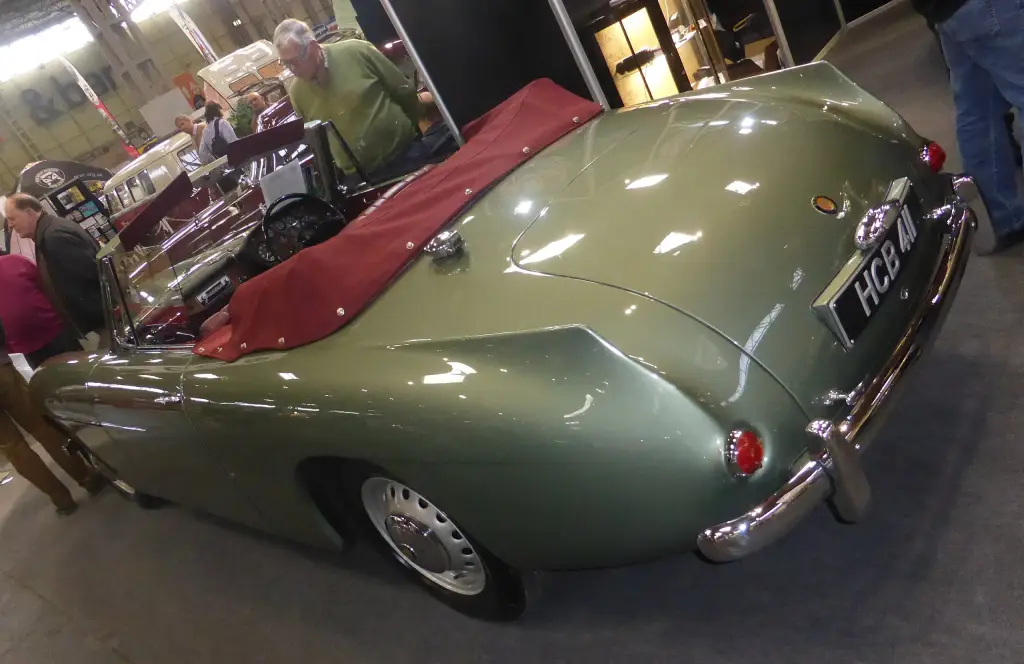
Two 405s
The 405 itself was seen in two versions. The more common, 265 of the 308 built, is a four-door saloon on the standard chassis of the previous Bristols. The 405 drophead coupé, or 405D, had a convertible body by Abbotts of Farnham and only 43 were built; its aluminium panels covered a steel and ash frame mounted on a substantial horseshoe-shaped chassis.
Most cars built had a highly tuned version of the 2-litre six called the 100C, with advanced valve timing, developing 125 bhp against the 105 bhp of the standard 100B fitted to the 405. Even the 105 bhp engine used Solex triple downdraft carburettors. With UK fuel no longer restricted to low-octane wartime pool petrol, all 404 and 405 engines came with higher compression ratios than earlier Bristols, 8.5:1 against 7.5:1. Rack and pinion steering was fitted, and the car’s handling won praise from the press when it was introduced.
Compared with the 403, the 404 and 405 had an improved gearbox with a much shorter gear lever, sharpening a gearchange already considered very slick for the day. The 405, though not the 404, had overdrive as standard apart from the earliest cars, and front disc brakes were optional apart from the earliest examples, fitted to almost all dropheads. A few late 405s received the torquier 2.2-litre engine introduced in the later 406.
Aero grille and wing lockers
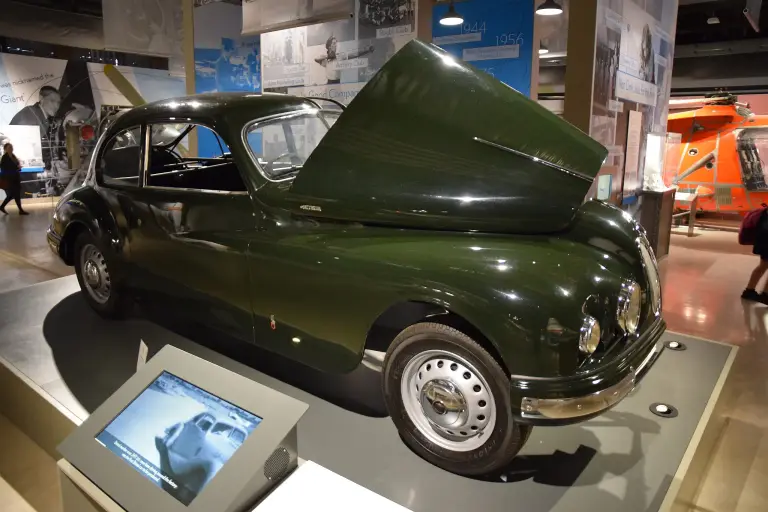
Externally, the notable change was the abandonment of the BMW-style radiator grille for one much more like an aero-engine intake. The 405, the only four-door car Bristol ever built, had styling the company refined for years on its later Chrysler V8 cars of the 1960s. It also introduced Bristol’s sizable lockers in the front wings, reached through gullwing panels: the nearside one held the spare wheel and jack, the offside one the battery and fuse panel.
On screen
The 405 became a familiar sight on film and television. A maroon example appears in the 1955 comedy Josephine and Men, in the video for Swing Out Sister’s Forever Blue, in Peak Practice, An Education, Grantchester and Crooked House, and Daniel Day-Lewis drives one through Whitby in Phantom Thread.
Design and features
- Aero-engine grille: the first Bristol to drop the BMW-style front.
- Two states of tune: the 105 bhp 100B and the 125 bhp 100C with advanced valve timing.
- Front wing lockers: gullwing panels hiding the spare wheel, jack, battery and fuse panel.
- Sharper chassis: rack and pinion steering and a shorter, slicker gear lever than the 403.
Bristol 404 and 405 versions
- 404 coupé (1953–1958): two-seat, short-wheelbase car.
- 405 saloon (1955–1958): four-door, 265 of the 308 405s built.
- 405D drophead (1955–1958): Abbotts of Farnham body, 43 built.
- Late 405: a few cars with the 2.2-litre engine of the 406.
The 404 and 405 followed the Bristol 403 and were succeeded by the V8-engined Bristol 407. All models are listed in the Bristol collection.
Sources
- Bristol 404 and 405, English Wikipedia: models, engines, bodies, media appearances