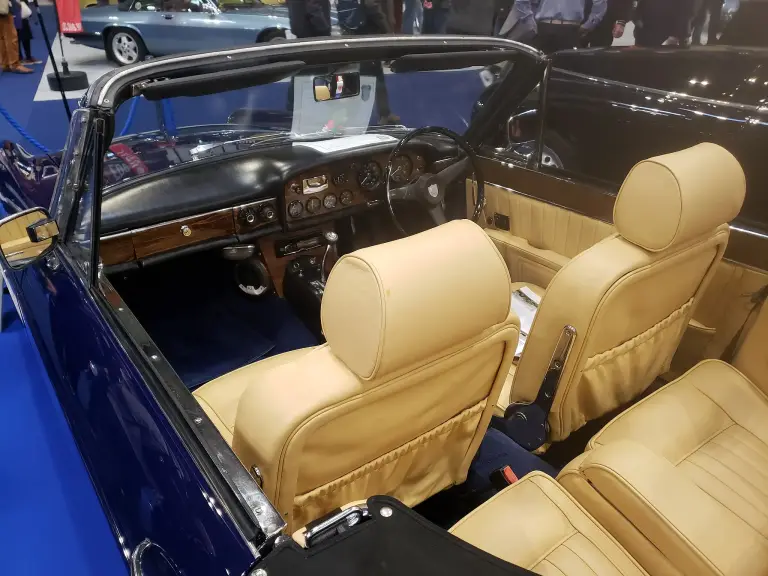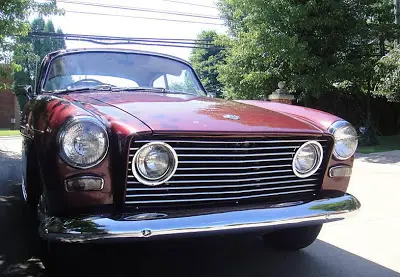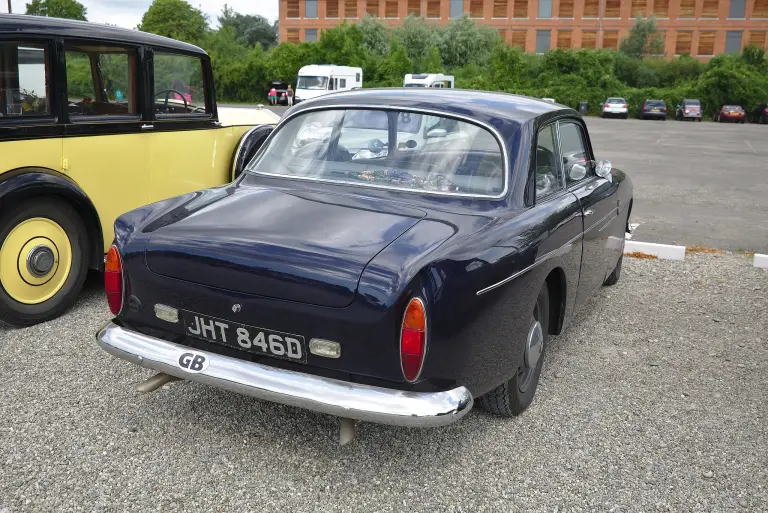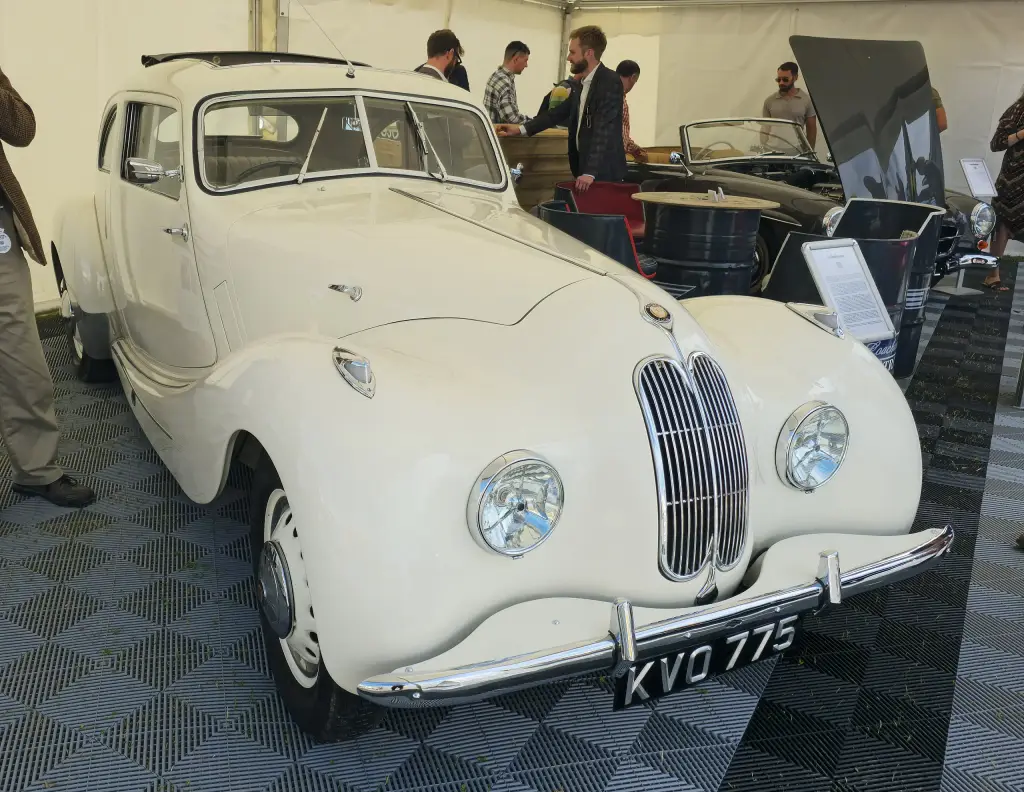
The Bristol 401 saloon and Bristol 402 cabriolet were the second generation of Bristol cars, produced from 1948 to 1953. Styled after ideas from Carrozzeria Touring of Milan, they had concealed door handles and a very low drag coefficient for their day, and the 401 became the most numerous Bristol model ever built.
Bristol 401 and 402 at a glance
| Maker | Bristol Cars, Bristol Aeroplane Company |
|---|---|
| Production | 1948–1953 |
| Bodies | four-door saloon (401), two-door cabriolet (402) |
| Engine | 1,971 cc straight-six, pushrod |
| Power | 85 bhp (63 kW) |
| Top speed | 97.3 mph (156.6 km/h), road test 1952 |
| 0–60 mph | 15.1 seconds |
| Fuel consumption | 20.8 mpg imperial (13.6 L/100 km) |
| Brakes | Lockheed hydraulic, 11 in (279 mm) drums |
| Steering | rack and pinion |
| Built | 611 of the 401, 23 of the 402 |
The English Wikipedia page covers the 401 saloon and the 402 cabriolet together; this page uses it as its only source.
History of the Bristol 401 and 402
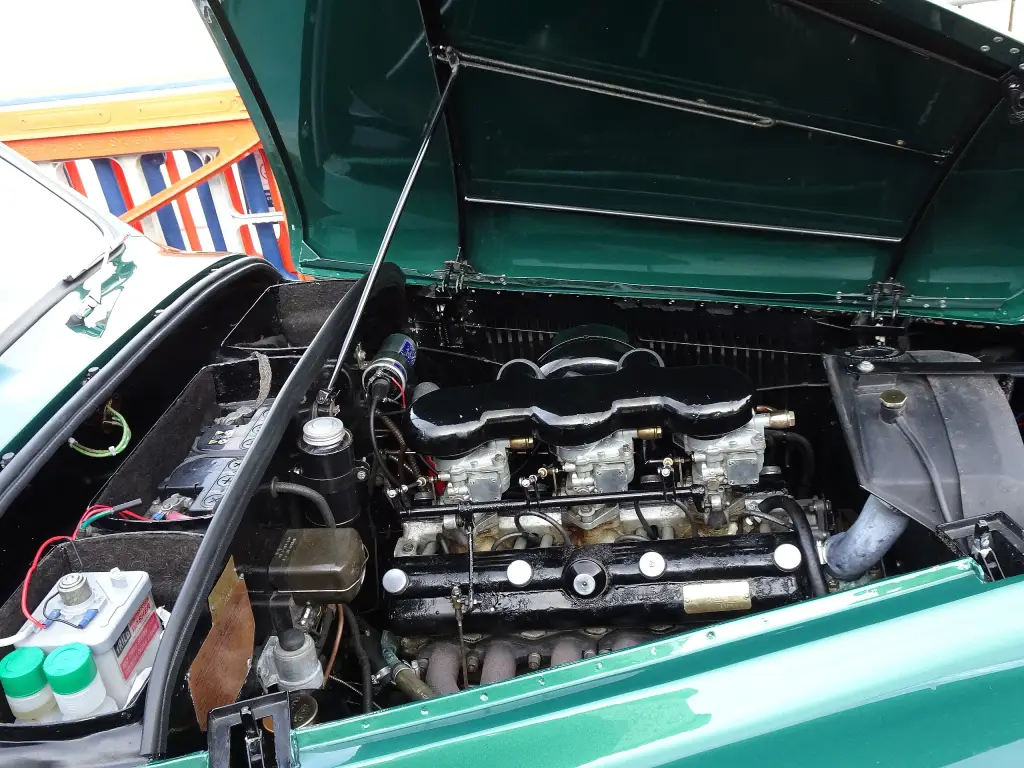
The 401 and 402 were developed from the Bristol 400, which stayed in production alongside them until 1950. They used an improved version of the BMW 328 hemispherical-head engine with its unusual arrangement of two separate pushrods for the exhaust valves, a necessity created by the hemispherical combustion chambers and the oppositely facing valves. Improved Solex carburettors raised power by 5 bhp over the 400, to 85 bhp.
Body by Touring
The styling was a clear advance on the first Bristol. It was inspired by the Milanese coachbuilder Carrozzeria Touring, and its most notable feature is that the door handles are not exposed: the doors are opened by pressing a button in the door itself. The body is more spacious than the 400’s and is a full five-seater. At the front, the headlamps sit well towards the centre line of the body, either side of a narrow grille that resembles the BMW grille a little less than the 400’s did. The nose is deeply curved, and together with the door-handle arrangement this is believed to give the 401 a drag coefficient of under Cd 0.36 — competitive even by modern standards and remarkable for the time.
On the road
The suspension is independent at the front, using a transverse leaf spring and wishbones, while the rigid rear axle runs on torsion bars. Steering is by rack and pinion and the brakes are Lockheed hydraulic drums of 11 inches all round. A saloon tested by The Motor in 1952 recorded a top speed of 97.3 mph and accelerated from 0 to 60 mph in 15.1 seconds, returning 20.8 miles per imperial gallon. The test car cost £3,532 including taxes. Looking back at that road test in 1971, the magazine summarised the 401 as a medium-sized car offering very high standards of comfort and performance.
Bristol built 611 examples of the 401, still the largest production run of any Bristol model. The 402 cabriolet was made in only 23 examples, making it one of the rarest historic cars of its era; a survey at the time of writing accounted for 13 of the 23. Four further 401 Cabriolets with styling by Pininfarina were also built.
Production and rarity
The 611 saloons made the 401 the backbone of Bristol’s early production, while the 23 cabriolets and four Pininfarina cabriolets make the open cars among the rarest Bristols of all. The model was replaced by the 403 in 1953.
Design and features
- Concealed door handles: the doors open by pressing a button set into the door itself.
- Aerodynamic nose: deeply curved front and inboard headlamps gave a drag coefficient below Cd 0.36.
- More power: improved Solex carburettors lifted the 2-litre six to 85 bhp.
- Five-seat body: noticeably roomier than the 400 it was developed from.
Bristol 401 and 402 versions
- 401 saloon (1948–1953): four-door, 611 built, the most numerous Bristol.
- 402 cabriolet (1948–1953): two-door open car, 23 built.
- 401 Pininfarina Cabriolet: four examples with Italian styling.
The 401 and 402 succeeded the Bristol 400 and were replaced by the Bristol 403, which carried over their styling. More models are in the Bristol collection.
Sources
- Bristol 401 and 402, English Wikipedia: styling, engine, road test, production