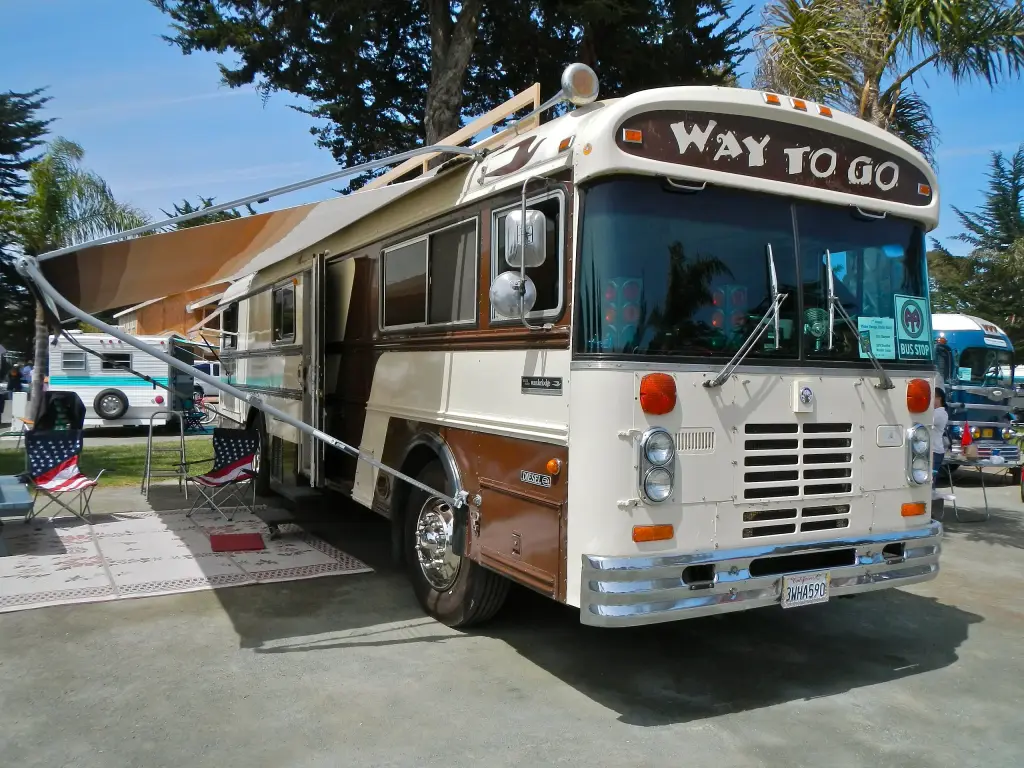
The Blue Bird Wanderlodge was a line of luxury motorhomes built by the American school bus maker Blue Bird from 1963 to 2009. It began as a derivative of the All American school bus, became a motorcoach in its own right, and was assembled to each customer’s specification with a hand-built interior.
Blue Bird Wanderlodge at a glance
| Maker | Blue Bird Body Company (now Blue Bird Corporation), Fort Valley, Georgia |
|---|---|
| Production | 1963–2009, 44 years |
| First name | Blue Bird Transit Home |
| Basis | Blue Bird All American school bus |
| Construction | hand-built interior, over 200 options |
| Body lengths | 31, 33, 35 and 40 feet |
| Engines | Ford Super Duty V8; Caterpillar 3208 diesel from 1977; Detroit Diesel 6V92 in rear-engine models |
| Model codes | FCxx for front engine, PTxx for rear engine |
| Rivals | Newell and Prevost motorcoaches |
| End | rights sold in 2007, production ended in 2009 |
Based on the English Wikipedia article; one source.
History of the Blue Bird Wanderlodge
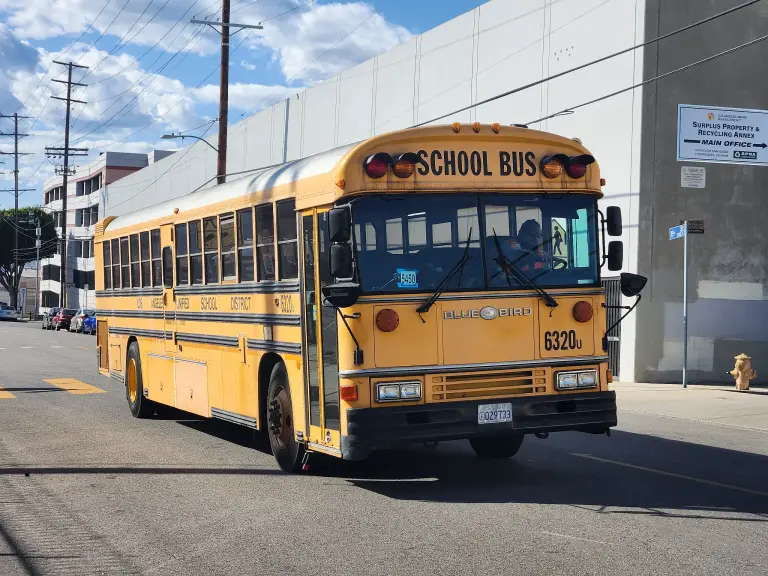
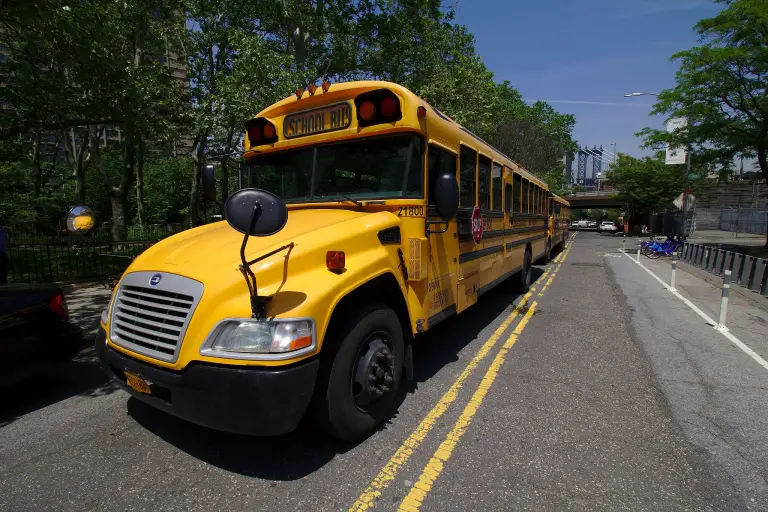
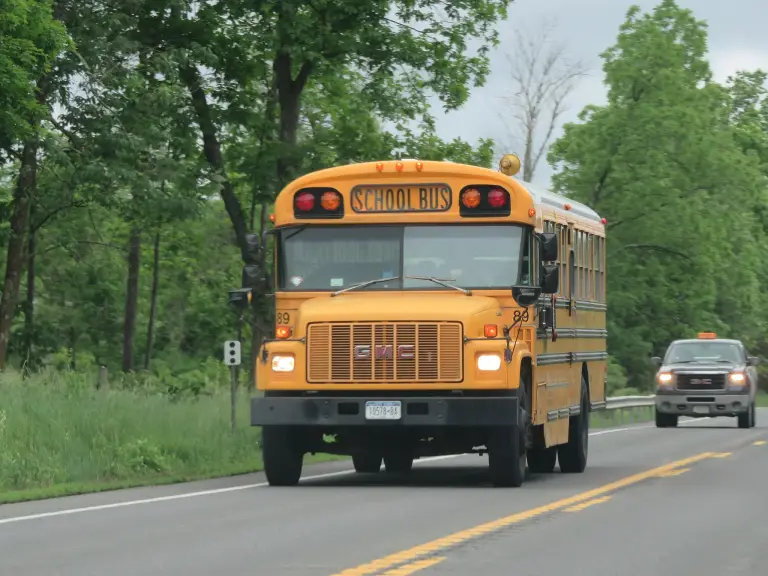
By the early 1960s Blue Bird Body Company had grown from its Georgia beginnings into the fourth-largest school bus maker in the United States, and management wanted products beyond school buses. As motorhomes developed from travel trailers, the company saw an opening and in 1963 designed the Blue Bird Transit Home, derived from the All American. It was built by a new subsidiary, Cardinal Manufacturing, in Fort Valley and driven around the country for two years as a promotional vehicle; the tour drew little attention and the project nearly ended.
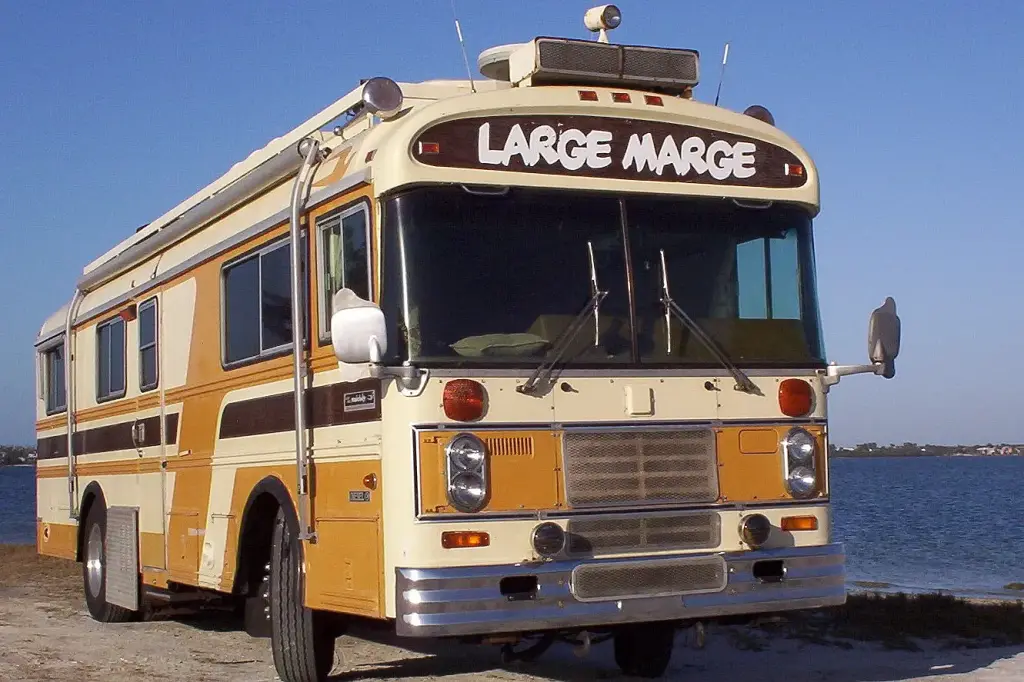
In 1965 House Beautiful magazine published an article on the Transit Home and five orders followed for the $12,000 vehicle, about $96,760 in 2018 money. The design leaned on its school bus body: the All American frame was built for stop-and-go duty every day, and Blue Bird had used all-steel bodies since 1937. The prototype also carried features new to motorhomes, including a built-in safe, redundant heating and hot water systems running on electricity, engine heat or diesel, and fuel tanks giving a range of more than 1,000 km.
After a series of five to ten prototypes in 1964–65, full production began in 1965. The first Wanderlodges were 31-foot bodies on the All American Forward Engine with a Ford Super Duty V8, painted to the customer’s choice because school bus yellow was illegal on a recreational vehicle, and with a centre-mounted entry door. For 1968 the name changed from Transit Home to Wanderlodge, a blend of wanderlust and lodge; the roofline gained a flat front panel above the windshield and the headlights were stacked vertically.
In 1969 nine 35-foot rear-engine Wanderlodges were built with the Super Duty V8, among the rarest of the line. The 1970s brought 33-foot bodies in 1974 and 35-foot in 1975, and in 1977 the Caterpillar 3208 diesel V8 became an option, replacing the Ford petrol V8s entirely after 1978. The 1979-only XV model used double frame rails, and in 1982 a production rear-engine Wanderlodge arrived in 35 and 40 feet with a Detroit Diesel 6V92, a rear tag axle, horizontally mounted headlights and a taller double-rail body; from then on FCxx meant front engine and PTxx rear engine. For 1983 a second floor plan with a rear bathroom joined the mid-ship layout.
Every Wanderlodge was assembled to order at Fort Valley and no two were alike; in its first generation the price was close to a medium-sized American house, and later examples competed with Newell and Prevost. The rights to the line were sold in 2007 during a reorganisation of Blue Bird, and production ended in 2009 after 44 continuous years.
Design and features
- School bus strength: an All American frame and all-steel body built for daily school service.
- Built to order: a hand-crafted interior with more than 200 options and no two alike.
- Independent systems: heating and hot water working from electricity, engine heat or diesel.
- Long range: fuel tanks for more than 1,000 km in the original design.
- Rear-engine motorcoach: from 1982 with a tag axle and Detroit Diesel power.
Blue Bird Wanderlodge versions
- Transit Home (1963–1967): the All American based original, 31 feet, Ford V8.
- Wanderlodge FC (1968–): front-engine models in 31, 33 and 35 feet.
- XV (1979): anniversary model with double frame rails.
- Wanderlodge PT (1982–): rear-engine 35- and 40-foot motorcoaches with a tag axle.
- RB floor plan (1983–): rear bathroom layout alongside the mid-ship SB plan.
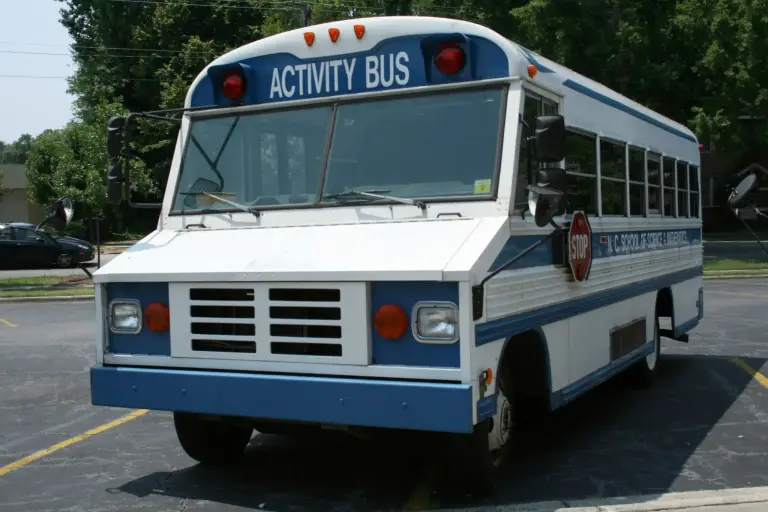
The Wanderlodge was derived from the Blue Bird All American school bus; the company’s buses are covered in the Blue Bird collection.
Sources
- Blue Bird Wanderlodge, English Wikipedia: history, generations, specifications