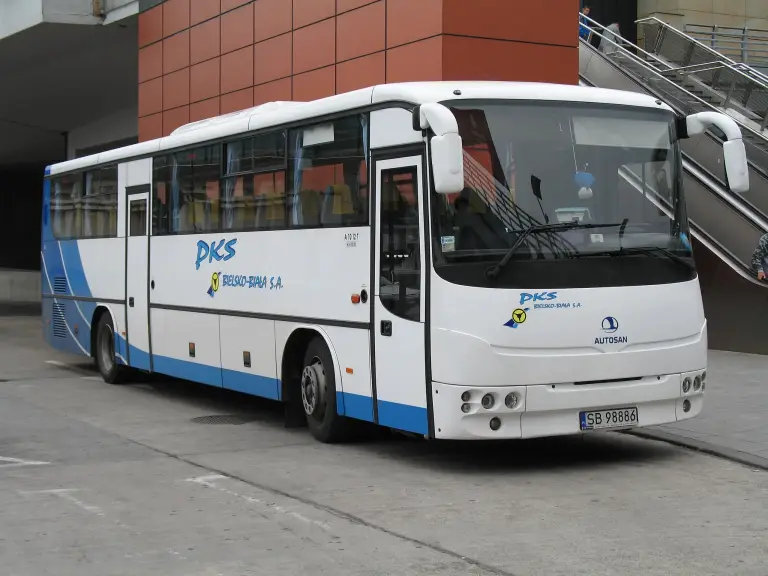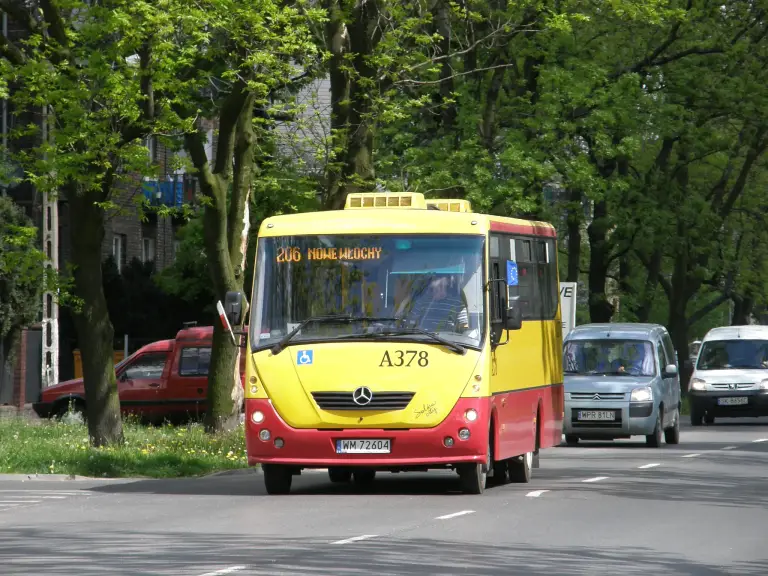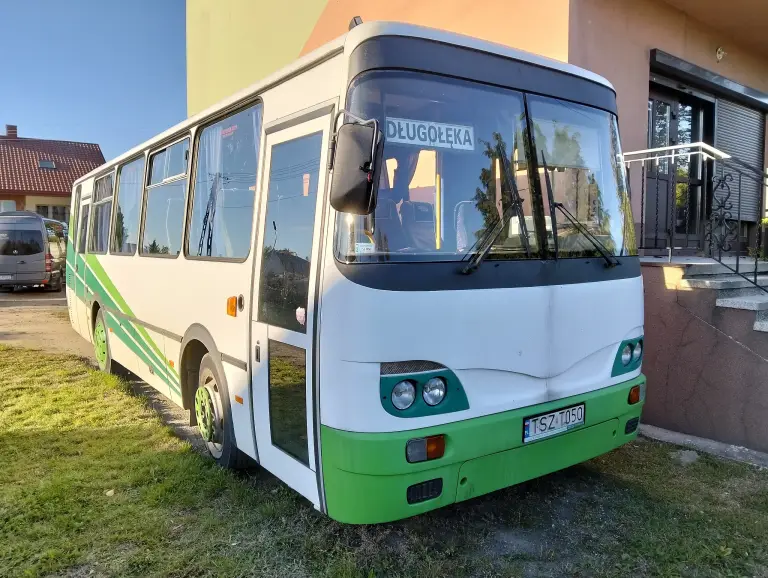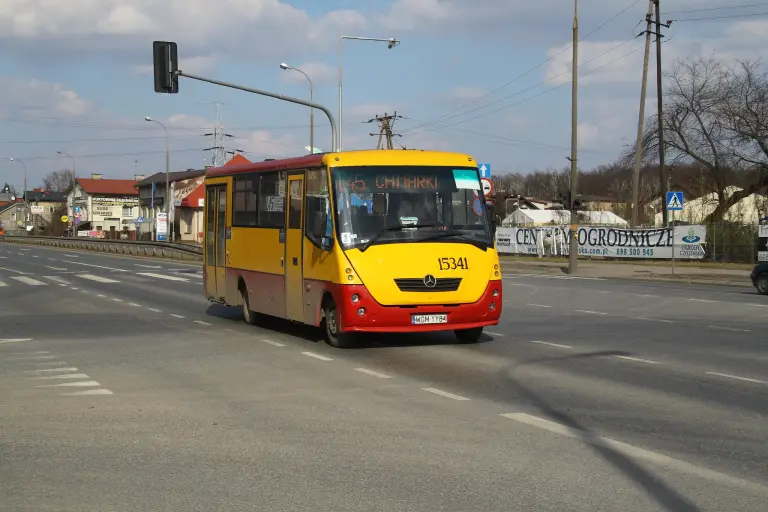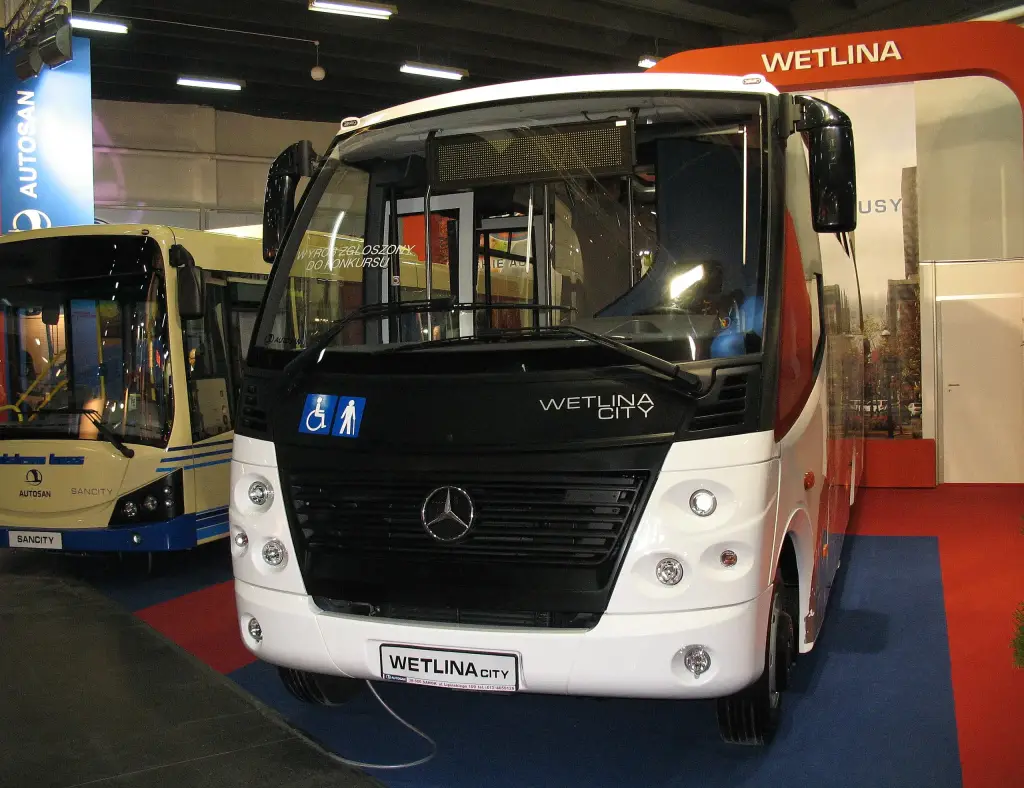
The Autosan Wetlina is a family of mini-class buses built from 2008 to 2013 on the Mercedes-Benz Vario O818D chassis. It followed the Solina and was sold in Britain and Ireland under the name Autosan Osprey.
Autosan Wetlina at a glance
| Maker | Autosan, Sanok, Poland |
|---|---|
| Production | 2008–2013 |
| Class | mini bus |
| Chassis | Mercedes-Benz Vario O818D |
| Prototype | A8V.01.01, Transexpo 2007 |
| Series versions | A8V.01.02 tourist, A8V.01.03 intercity |
| City version | A8V.02.01 Wetlina City |
| Length | prototype 8,440 mm; series bodies 475 mm shorter |
| Emissions | Euro 5 from the third quarter of 2009 |
| Export name | Autosan Osprey, for the UK and Ireland |
| First customer | a Swedish operator, with 10 tourist buses |
| End of production | 2013, when Vario chassis production stopped |
History of the Autosan Wetlina
Development
The model was first shown in 2007 at the Transexpo fair as the prototype intercity A8V.01.01 Wetlina. The following year Autosan built the production versions, the tourist A8V.01.02 and the intercity A8V.01.03; compared with the prototype, their bodies were 475 mm shorter because the rear overhang was shortened. In September 2008, during the Public Transport Days in Warsaw, and a month later at Transexpo 2008, the company presented the urban Wetlina City (A8V.02.01). Until 2011 the whole Wetlina family was built in parallel with the older Solina.
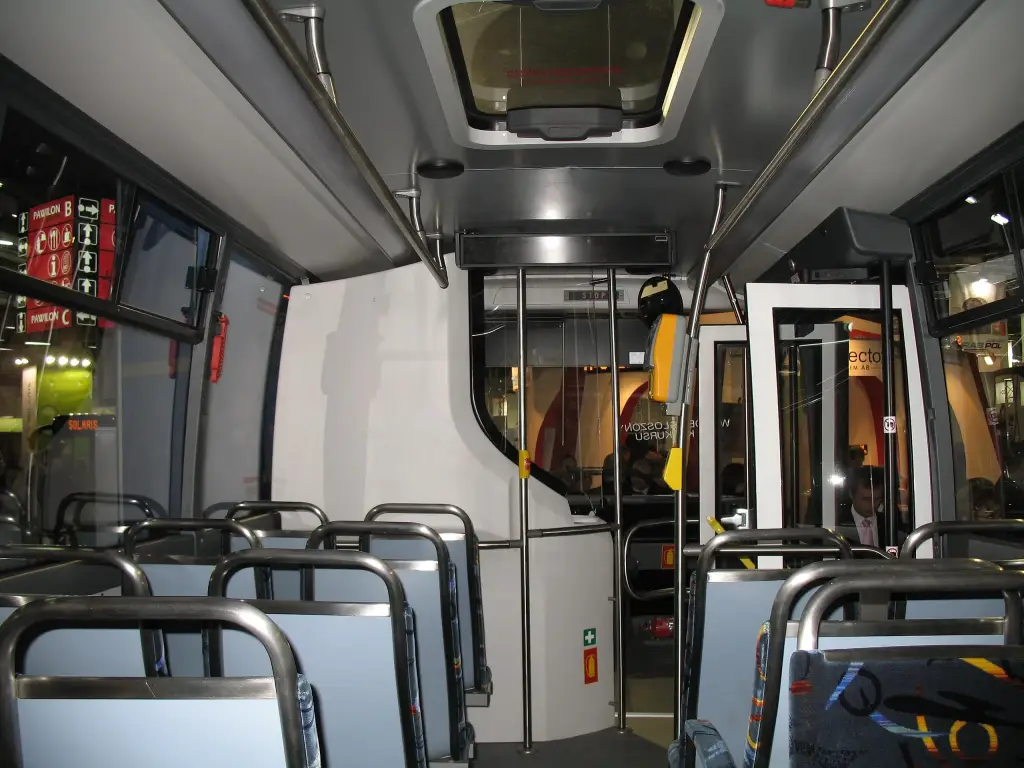
The buses were built on the Mercedes-Benz Vario O818D chassis, a change from the older ladder-frame construction used in the H7 family. The body structure is made of square and rectangular steel tubes joined by welding, with corrosion-resistant stainless steel and plastic panels glued to the frame. Compared with the Solina, the seat next to the driver was removed, giving the driver a large cab, and larger dimensions and a better interior layout let the Wetlina carry more passengers than the equivalent Solina.
Wetlina City and exports
The first ten series Wetlinas in tourist form were taken by a Swedish customer, and the Wetlina City shown at Transexpo 2008 was also sold to Sweden. In the third quarter of 2009 production switched to engines meeting Euro 5. Sales were planned in Britain and Ireland under the name Autosan Osprey, and in 2011 a prison van based on the Wetlina joined the range.
End of production
At the end of 2010 the A8V code was dropped from the trade name, leaving Autosan Wetlina and Autosan Wetlina City. Production ended in 2013, when Mercedes-Benz stopped making the Vario chassis in September of that year.
Design and features
- Mercedes-Benz Vario chassis: the same light-truck base as the Solina, but a different body concept.
- Large driver’s cab: the seat next to the driver was removed to enlarge the cab.
- More room than the Solina: larger dimensions and a better interior layout raised capacity.
- Corrosion-resistant body: welded steel tube frame with stainless steel and plastic panels.
- Export name: sold as the Autosan Osprey in Britain and Ireland.
Autosan Wetlina versions
- A8V.01.01: intercity prototype of 2007, 8,440 mm long.
- A8V.01.02: series tourist version.
- A8V.01.03: series intercity version.
- A8V.02.01 Wetlina City: urban version with a Euro 4 engine.
- A8V.03.01 Wetlina City: urban version with a Euro 5 engine.
- Wetlina DW: prison van added in 2011.
The Wetlina succeeded the Solina and followed the smaller H7 family. More Sanok buses are in the Autosan collection.
Video: Wetlina City Autosana
Video on YouTube.
Sources
- Autosan Wetlina, English Wikipedia: history, versions, construction
- Autosan Wetlina, Polish Wikipedia: model history and version list
- Autosan, English Wikipedia: company context