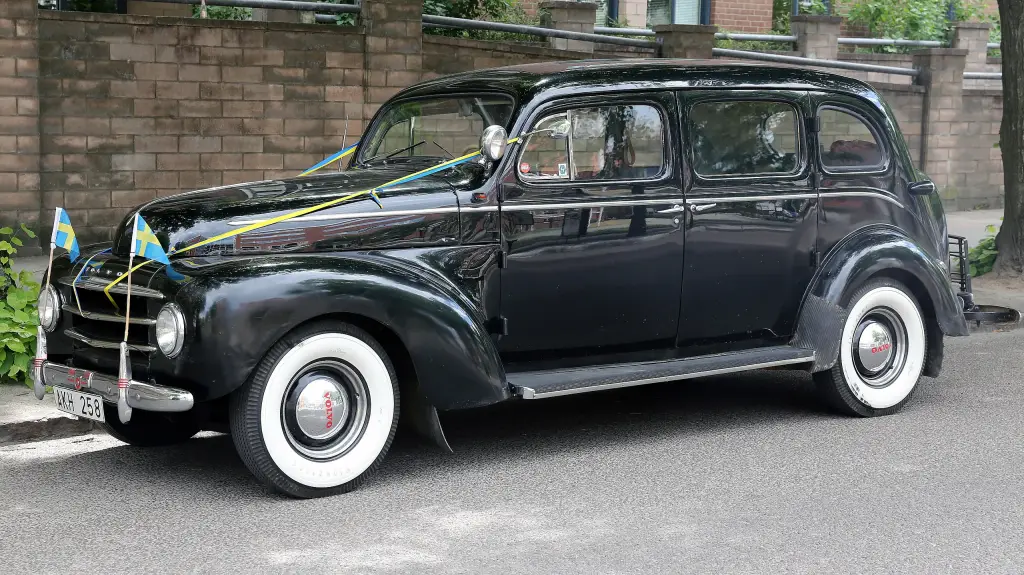
The Volvo PV800 Series, nicknamed the Sugga or Sow, was a taxicab built from 1938 to 1958. It dominated the Swedish taxi market in the 1940s and 1950s, and the same mechanical ideas produced the TP21 military off-roader.
Volvo PV800 Series at a glance
| Production | 1938–1958 |
|---|---|
| Nickname | Sugga, the Sow |
| Models | PV800 to PV834, taxis and commercial chassis |
| Engines | side-valve six, ED engine from 1947 |
| Independent front suspension | optional from 1953 |
| Executive version | Disponent, from 1953 |
| Taxi use | dominant in Sweden in the 1940s and 1950s |
| Military derivative | TP21 (Raptgb 915), 1953–1958, 720 built |
| Production by model | PV831/832 4,135; PV833/834 2,081 |
History of the Volvo PV800 Series
The PV801, with a glass division between front and rear seats, and the PV802 without it were introduced in 1938 and replaced the TR670 series. The chassis and body were new while the side-valve engine carried over from older cars; the front end was also used on Volvo’s smallest lorry, the LV100. The PV802 could serve as a spare ambulance, since folding the right-hand seats allowed a stretcher to be loaded through the boot lid, and commercial chassis versions were often bodied as proper ambulances.
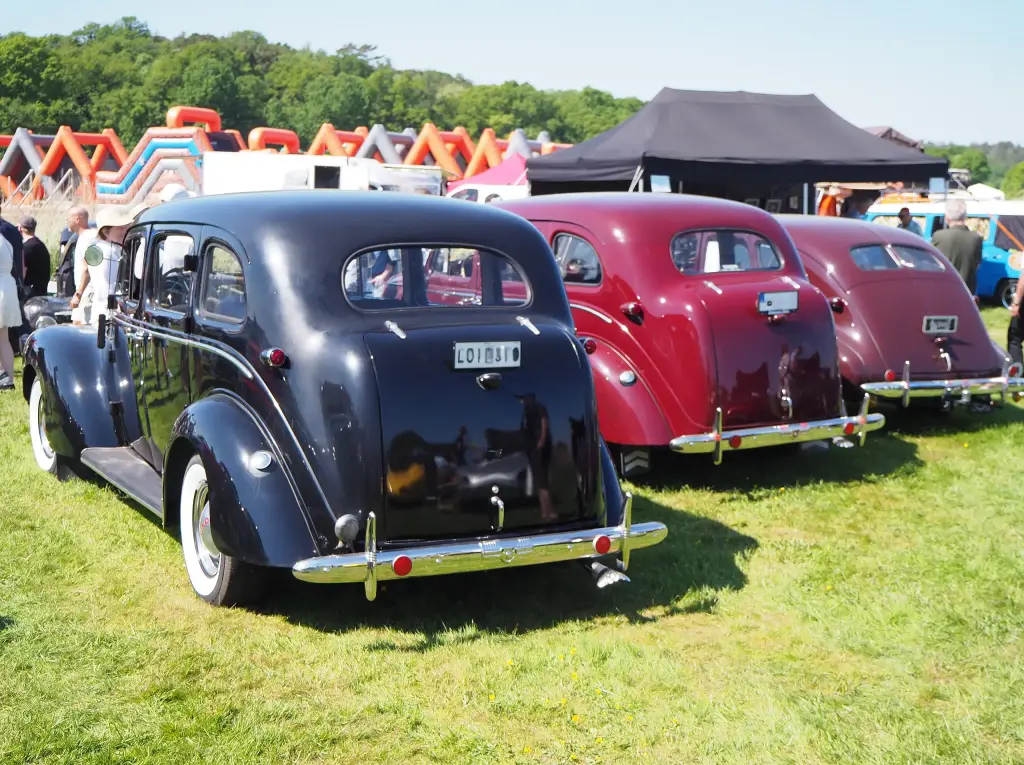
During the Second World War Volvo built a four-wheel-drive off-road vehicle for the Swedish and Belgian armed forces called the Terrängpersonvagn m/43, or TPV, using mechanical parts from its smaller lorries and the body of the Sow. In 1947 the PV800 gave way to the PV821 and PV822, which gained the slightly stronger ED engine and the column gear lever of the PV60.
The 1950s
In autumn 1950 the model returned with a new front similar to that of the PV444 and the L340 lorry, and was renamed PV831 and PV832. Independent front suspension became optional in 1953, the year the civilian executive version, the Disponent, appeared. By the end of the 1950s the Sow was quite outdated, and Volvo planned a successor, project P358, a large V8 car that never materialised.
TP21
In 1953 Volvo introduced a successor to the TPV for the armed forces: the four-wheel-drive TP21, known to the military as the Raptgb 915 and to Volvo as the P2104. It used the proven 3.67-litre inline six of 90 hp with a Volvo E9 gearbox. The military version was called the Terräng-Sugga, though enthusiasts later took the nickname Suggan for the car itself.
When production of the PV800 Series ended in 1958 Volvo left the taxi market unattended. The new P120 Amazon was too small to serve as a taxi, and almost ten years passed before Volvo presented a car suitable for taxi work, the 144.
Design and features
- Swedish taxi standard: the country’s best-selling cab for two decades.
- Practical body: the PV802 could be converted into a spare ambulance.
- Progressive updates: new front in 1950 and optional independent front suspension in 1953.
- Disponent: an executive version for private buyers from 1953.
- TP21: a military off-roader built on the Sow’s mechanical basis.
Volvo PV800 Series versions
- PV801 and PV802 (1938): taxi with and without a glass partition.
- PV810: commercial chassis on a long wheelbase.
- PV821 to PV824 (1947): ED engine and column gear lever.
- PV831 and PV832 (1950): new front, 4,135 built.
- TP21 (1953): military off-road vehicle, 720 built.
The PV800 Series followed the Volvo PV60 as Volvo’s largest car, and its military offshoot led towards the Volvo L3314. More cars are in the Volvo collection.
Sources
- Volvo PV800 Series, English Wikipedia: models, production by version, TP21, end of taxi production