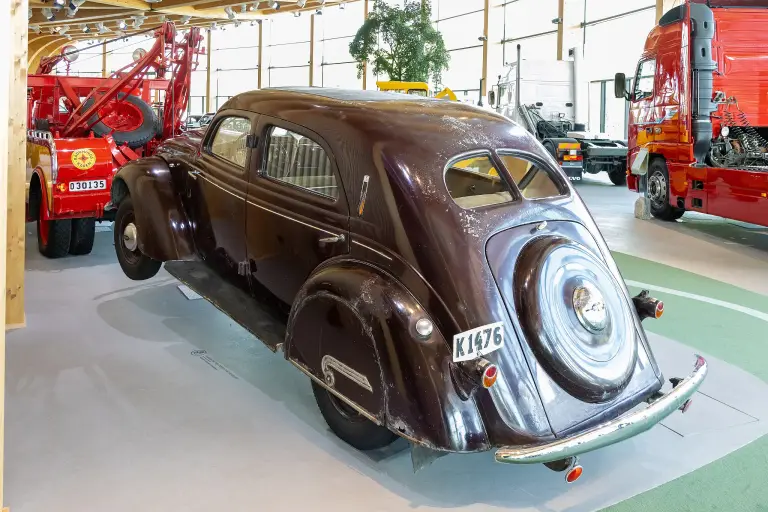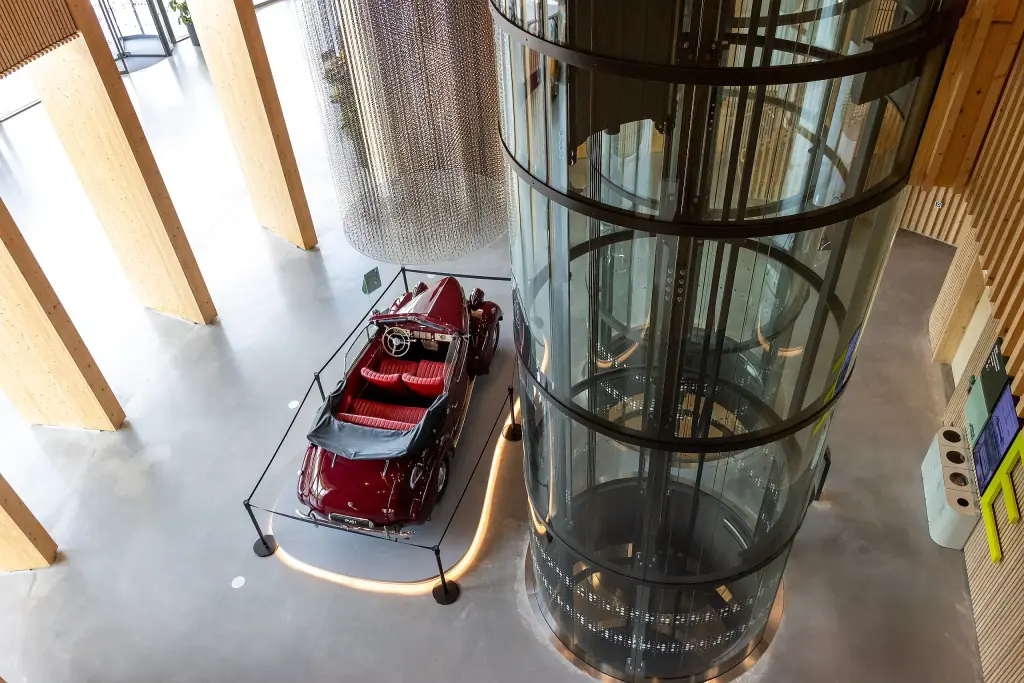
The Volvo PV60 was the first car Volvo produced after the Second World War, built from December 1946 to 1950. It was a large car with a 3.7-litre six-cylinder engine, and its body was easily mistaken for a late-1930s Pontiac.
Volvo PV60 at a glance
| Production | 1946–1950 |
|---|---|
| Development started | 1939 |
| Shown to the public | September 1944, alongside the PV444 |
| Engine | 3,670 cc inline six, 90 hp |
| Transmission | three-speed manual with column shift |
| Wheelbase | 2,850 mm |
| Length | 4,725 mm |
| Built | 3,506, of which about 500 became PV61 trucks and vans |
| Later six-cylinder Volvo | the 164, almost two decades later |
Based on one source, the English Wikipedia article on the PV60.
History of the Volvo PV60
Volvo began work on the PV60 in 1939 and showed the car to the public in September 1944 together with the smaller PV444. It was meant to appear in 1940, but the war delayed it, and production did not start until December 1946; most cars were built in 1949 and 1950.
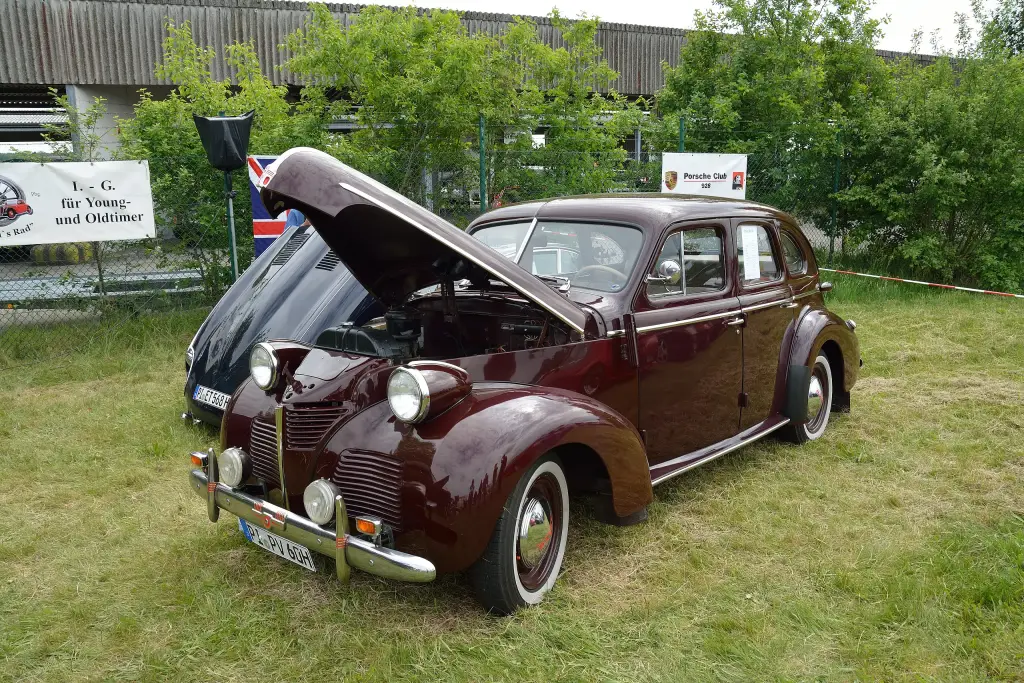
The car was powered by a 3,670 cc inline six producing 90 hp, driving through a three-speed manual gearbox with a column shift. Its wheelbase was 2,850 mm and its length 4,725 mm. The brochure described it as a clean-lined coach in European style, but it bore a strong resemblance to a 1939 Pontiac, with a front that was almost impossible to tell from the American car, although the Volvo was 10 cm shorter than the smallest Pontiac.
End of the line
In total 3,506 PV60s were produced, about 500 of which were built as PV61 trucks or vans. The smaller PV444 suited the post-war economy far better, and production of the PV60 stopped in 1950. From then on the largest model in Volvo’s range, and the closest in size to the PV60, was the PV800 Series taxi, which in 1950 gained a version for private use called the Disponent. It would be almost two decades before Volvo offered another upmarket six-cylinder car, the 164 of 1968.
Design and features
- Inline six: 3,670 cc and 90 hp, the largest engine in Volvo’s range.
- American-influenced body: close to the 1939 Pontiac in appearance.
- Column gearshift: a three-speed manual with the lever on the steering column.
- Commercial versions: about 500 chassis became PV61 trucks and vans.
- Short life: five years, overtaken by the smaller PV444.
Volvo PV60 versions
- PV60 saloon: the standard six-cylinder car.
- PV61: truck and van versions built on the same chassis.
The PV60 replaced the large pre-war models and was followed in size by the PV800 Series; Volvo’s next six-cylinder car was the Volvo 164. More cars are in the Volvo collection.
Sources
- Volvo PV 60, English Wikipedia: development, engine, dimensions, production, successors