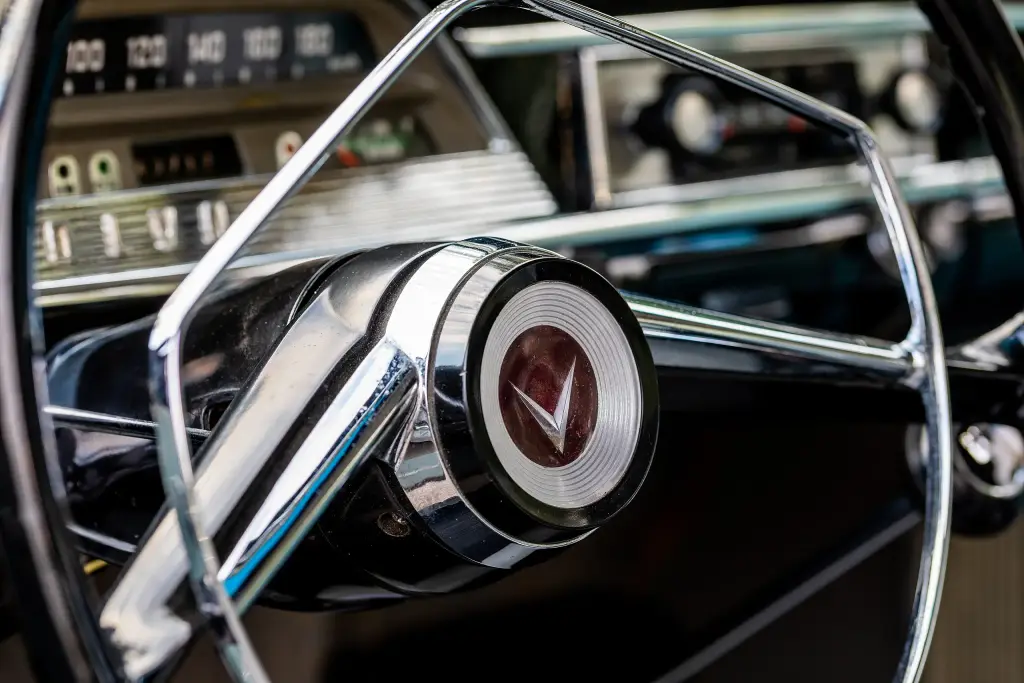
The Volvo PV444 and PV544 were two-door, four-seat cars built from 1947 to 1965. The PV444 was Volvo’s first unitary car, and the pair together sold 440,000 units over eighteen years, giving Volvo the reputation for sturdy, simple cars that lasted for decades.
Volvo PV444/544 at a glance
| Production | 1947–1965 |
|---|---|
| Bodies | two-door, four-seat saloon |
| Introduced | 1944, series production from 1947 |
| PV444 engine | 1.4-litre B4B, 40 PS, later 44 and 51 PS |
| US engine | B14A with twin SU carburettors, 70 hp, from 1956 |
| 1957 engine | 1.6-litre B16A and B16B |
| PV544 | from 1958, with a one-piece curved windscreen |
| 1962 update | 1.8-litre B18 engine and 12-volt electrics |
| Built | 440,000 in total |
| Rally | a second-hand PV544 won the 1965 Safari Rally |
History of the Volvo PV444/544
During the early stages of the Second World War Volvo decided that a new, smaller and more economical car would secure its future, and a wartime shortage of raw materials underlined the point. The car was shown to the public in 1944 to an enthusiastic Swedish market, but another three years passed before series production began in 1947.
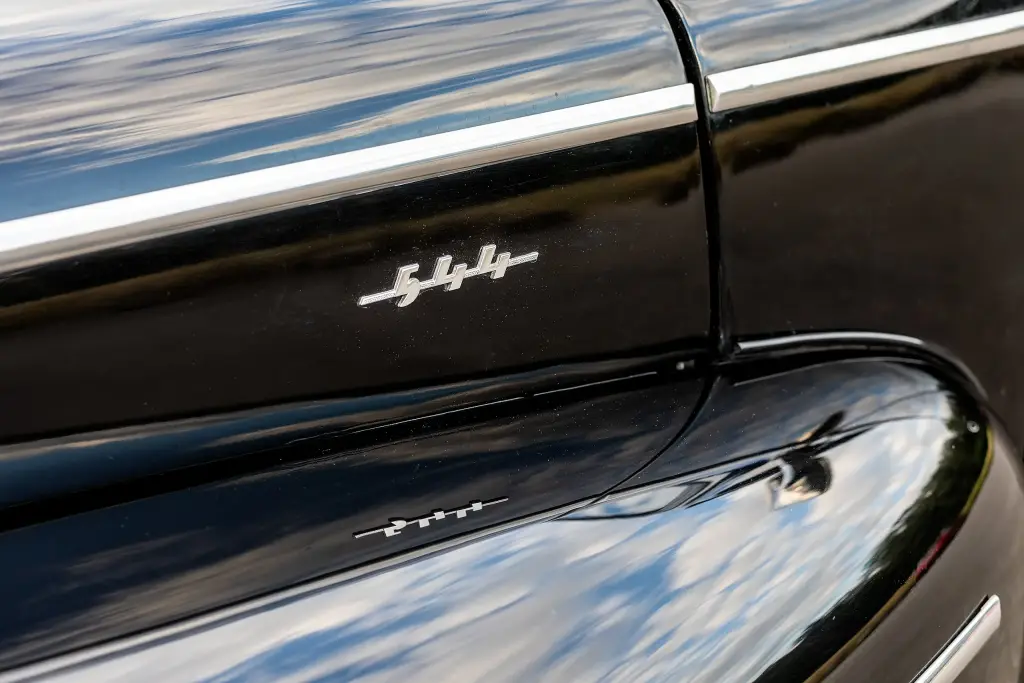
The PV444 was Volvo’s first unitary car, its body structure influenced by a 1939 Hanomag 1.3-litre that Volvo engineers bought and studied. It was also the first Volvo in almost twenty years with a four-cylinder engine, earlier models having used side-valve straight sixes. The first cars had a 1.4-litre B4B of 40 PS with three main bearings, overhead valves and a single downdraft carburettor; power rose to 44 PS in October 1950 and 51 PS in October 1955. American models from early 1956 used the B14A with twin side-draught SU carburettors and 70 hp, and most early US sales were in Texas and southern California.
The PV544
In 1958 the PV544 was phased in. It replaced the PV444’s two flat panes of glass with a curved one-piece windscreen, added larger tail lamps and a ribbon speedometer, swapped the three-speed gearbox for a four-speed and widened the rear seat so the car carried five instead of four. In 1962 the 1.6-litre B16 gave way to the new 1.8-litre B18 developed for the P1800, in single-carburettor B18A and twin-carburettor B18D form, and Volvo moved from 6 to 12-volt electrics. In 1963 production began at a new plant in Dartmouth, Halifax, the first Volvo factory outside Sweden.
The PV earned a reputation for strength and ruggedness even though its design was considered old-fashioned early on. It competed successfully in American SCCA racing and elsewhere, and a second-hand PV544 won the Safari Rally in 1965. The last cars were built in October 1965 and sold into 1966, though the final model year was 1965. The car had endeared itself so much to owners that Volvo ran self-deprecating advertisements in late 1965 and early 1966 asking PV owners not to be angry with the company. Exactly 440,000 were built.
Design and features
- First unitary Volvo: the body structure that replaced separate frames.
- Four-cylinder engines: B4B, B16 and B18, from 40 to 70 hp.
- PV544 improvements: curved windscreen, four speeds and five seats.
- Rally success: a used PV544 won the 1965 Safari Rally.
- Long production: eighteen years and 440,000 cars.
Volvo PV444/544 versions
- PV444 (1947): the original 1.4-litre car.
- PV444 US (1956): B14A engine with twin SU carburettors.
- PV544 (1958): curved windscreen and four-speed gearbox.
- PV544 B18 (1962): 1.8-litre engine, 12-volt electrics.
- Duett: the estate and van derivative built on the same basis.
The PV444 and PV544 led to the Volvo Amazon, and the Duett estate was built alongside them. More cars are in the Volvo collection.
Sources
- Volvo PV444/544, English Wikipedia: development, engines, PV544 changes, production