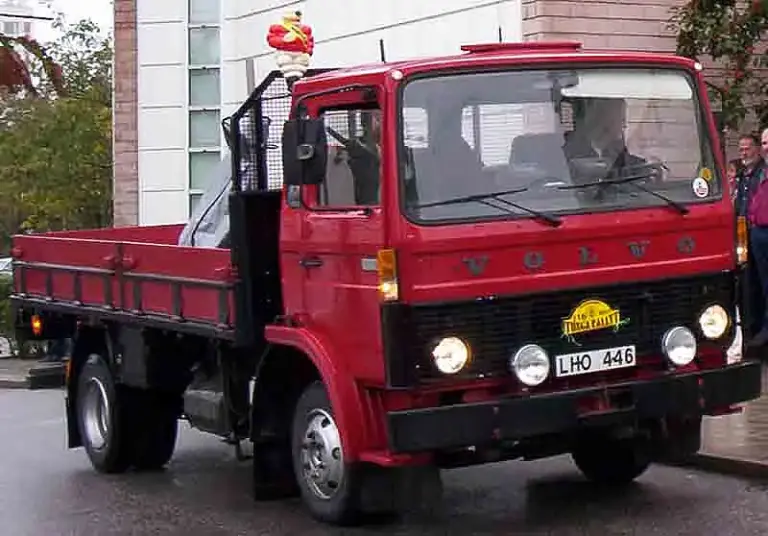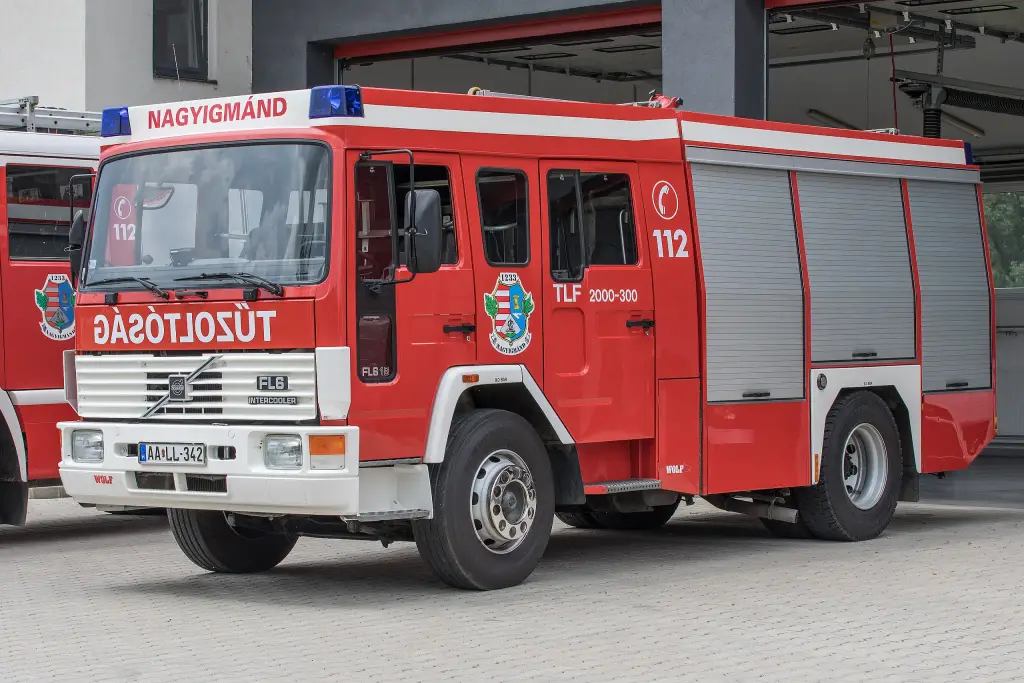
The Volvo FL is a series of distribution trucks built since 1985. The name stands for Forward control, Low-level cab, and the range has been used for far more than haulage, including as a fire engine. It has been replaced and redesigned several times but never dropped.
Volvo FL at a glance
| Introduced | 1985 |
|---|---|
| Name | Forward control, Low-level cab |
| First models | FL6, FL7 and FL10 in summer 1985; FL4 in 1986 |
| Cab widths | 2.3 m for FL4 and FL6, 2.5 m for FL7 and FL10 |
| FL6 engine | D6B 180–250 hp six-cylinder turbodiesel |
| 1995 detail | D6A250 with turbocharger and supercharger |
| FLC (1997) | 7.5-tonne model with a 3,989 cc D4A of 135 PS |
| Second generation | 2006, with the Deutz D7E 7.2-litre engine |
| 2013 facelift | Euro 6 D8 and D5 engines, 12-tonne D4 version |
History of the Volvo FL
Volvo developed the FL after losing much of its global market share in the medium-weight segment during the 1970s, which prompted an entirely new model to replace the previous F series. The FL6 and the larger FL7 and FL10 appeared in the summer of 1985, and the smaller FL4 with a 4-litre TD41 turbodiesel followed in 1986. The FL4 and FL6 had a 2.3-metre cab for city work, while the FL7 and FL10 used a 2.5-metre cab and could be ordered from 4×2 to 8×6.
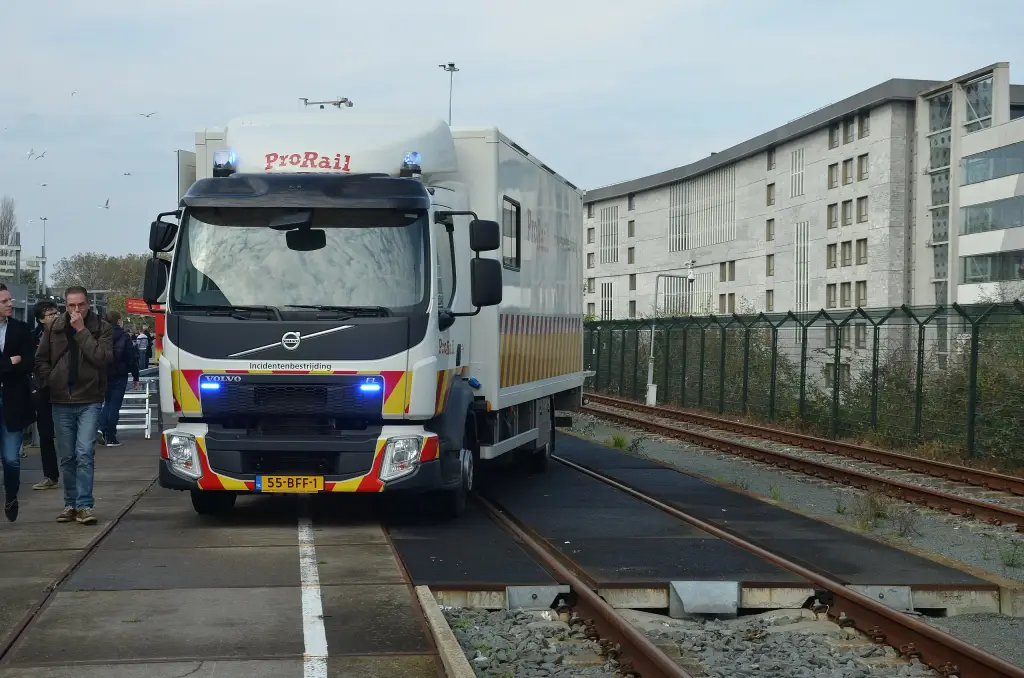
From 1995 some FL6s used the D6A250 engine with both a turbocharger and a supercharger, which gave an unusually high power-to-weight ratio and strong low-end torque; Volvo noted that the larger D7A of the FL7 could have made the same power but was much heavier. In 1997 the FLC arrived, rated at 7.5 tonnes rather than the 10 tonnes of the standard FL, with a 3,989 cc D4A turbodiesel of 135 PS, a five-speed manual and an air-sprung rear axle.
Other markets and versions
For North America Volvo introduced the FE6 in 1986 and a heavier seven-litre FE7 that combined the narrow FL6 cab with the FL7 engine; Caterpillar’s 6.6-litre 3116 was also offered at a lower price. From 1990 these gave way to the FE42, which put the Swedish FL cab on the chassis of the 1988 bonneted WG range, later joined by the 6×4 FE64; the American range ended in 1998. In 1987 Volvo presented the FS7 for customers needing a compact truck with high payloads, mating the FL6 cab and chassis to the 7-litre TD73 engine; it was built until 1996, when the supercharged FL6 made it redundant.
A facelift in 2000 brought a new front clip while the doors and cab structure stayed much the same, and the FL6 moved to the D6B engine of 180–250 hp with Volvo’s TEA electronics, a Bosch EDC distributor pump, fly-by-wire controls and full integration with ABS and electronic suspension control. The second generation arrived in 2006 with Deutz’s 7.2-litre D7E engine, and the May 2013 facelift brought Euro 6 D8 six-cylinder and D5 four-cylinder engines, a 12-tonne model with a 240 hp D4 and a revised front end with a new grille, bumper and improved entry.
Design and features
- Low cab: easy entry and a compact footprint for city delivery.
- Wide range: from the 7.5-tonne FLC to the 8×6 FL10.
- Supercharged FL6: strong low-end torque from a small engine.
- Many roles: distribution, construction and fire engines.
- Continuous development: Euro 6 engines and a 12-tonne model in 2013.
Volvo FL versions
- FL4 (1986): smallest model with a 4-litre TD41 engine.
- FL6: the main distribution truck, later with the D6B engine.
- FL7 and FL10: heavier models with the wider cab.
- FLC (1997): 7.5-tonne version with the D4A engine.
- FS7 and FE6/FE7: compact and North American derivatives.
The FL replaced the Volvo F4 and F6 and sits below the Volvo FE and FM. More trucks are in the Volvo collection.
Sources
- Volvo FL, English Wikipedia: generations, engines, derivatives, facelifts