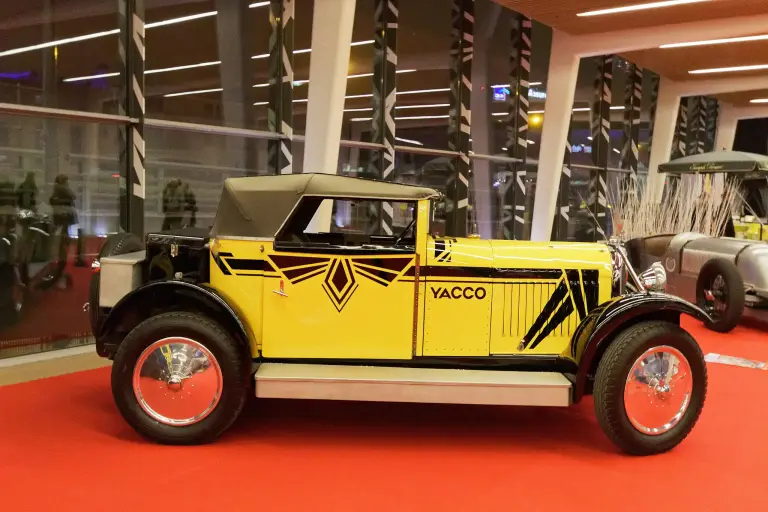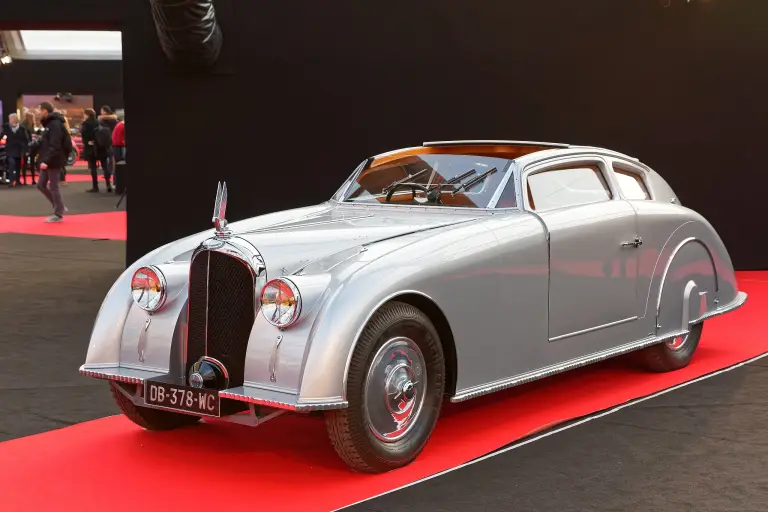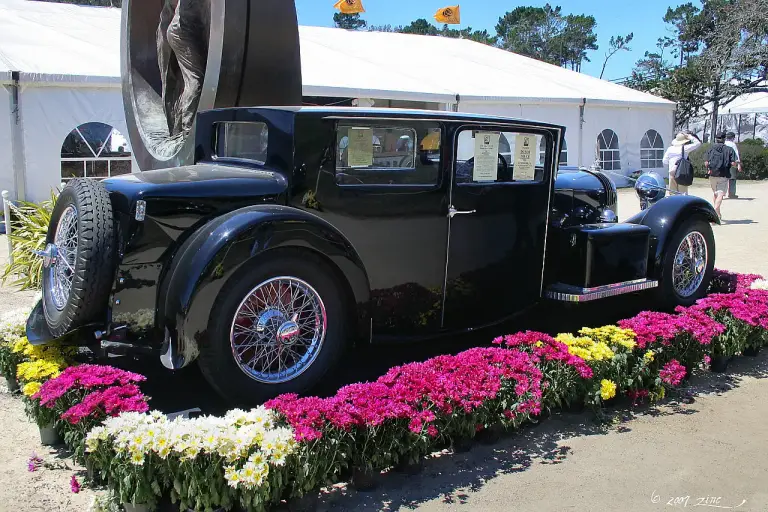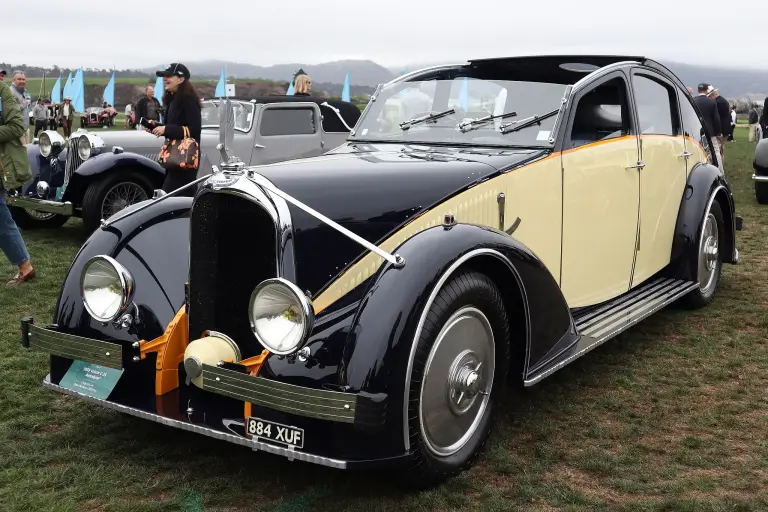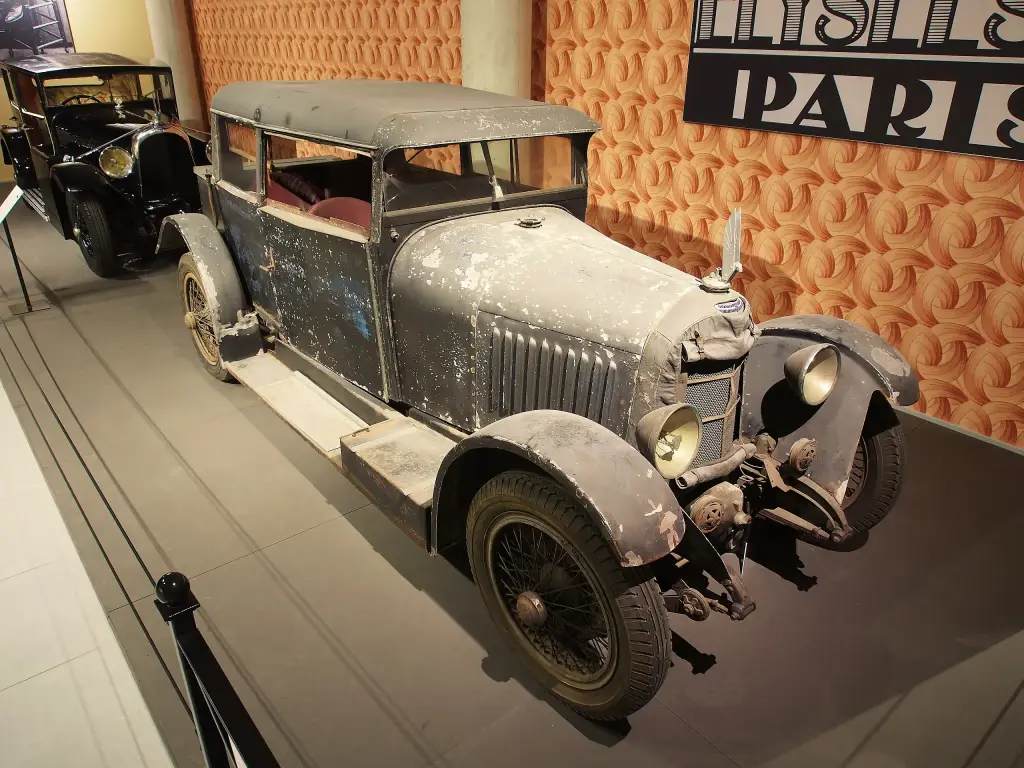
The Voisin C7 was the smaller companion to the C5 in the middle of the 1920s, built from 1925 to 1929. It used a 1.5-litre four-cylinder Knight sleeve-valve engine, and its Demi-Berline and Lumineuse bodies brought a lighter, more glazed kind of coachwork to the Voisin range.
Voisin C7 at a glance
| Maker | Avions Voisin, Issy-les-Moulineaux |
|---|---|
| Production | 1925–1929 |
| Engine | 1.5-litre four-cylinder, Knight sleeve valves |
| Power | 44 hp in the 1925 Demi-Berline |
| Bodies | Demi-Berline two-door, Lumineuse, coach |
| Coachwork | aluminium, rational style by André Noel |
| Place in range | after the C5, alongside the C11 |
| Game note | the hidden car in L.A. Noire is a C30, not a C7 |
| Survivors | Goodwood and Retro Classics cars |
No Wikipedia article exists for the C7; this page is based on the Avions Voisin company article in English and French, and is based on one source.
History of the Voisin C7
The C7 appeared in 1925 as a smaller and less expensive alternative to the C5, which had been in production since 1923. Where the larger car carried a big sleeve-valve engine, the C7 used a 1.5-litre four-cylinder unit; in the 1925 Demi-Berline two-door it developed 44 hp. That was modest by luxury-car standards, but the C7 was light, thanks to Voisin’s aluminium construction, and it sold in greater numbers than the bigger models. It remained in the catalogue until 1929, overlapping with the C11 that arrived in 1926.
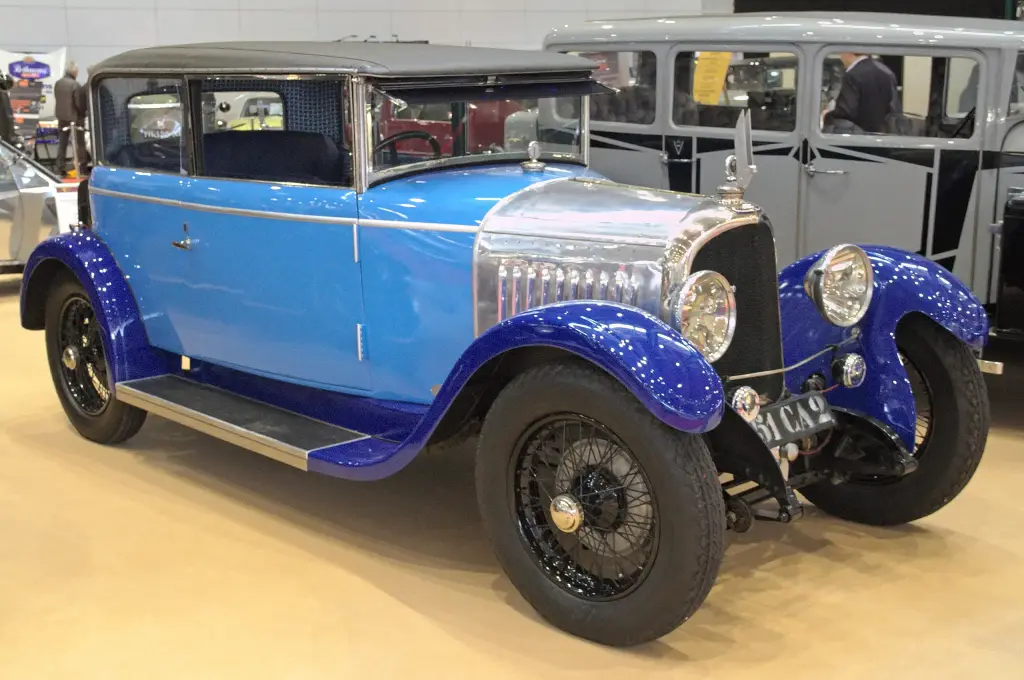
The model is best remembered for its body styles. The Demi-Berline was a two-door close-coupled saloon, while the Lumineuse introduced extensive glazing that made the cabin unusually bright for the period. Voisin’s rational coachwork, developed with André Noel, was already known for angular lines, light weight and central weight distribution; in the C7 those ideas were applied to a smaller, more practical car. Independent coachbuilders also bodied the chassis, and surviving cars show a variety of open and closed designs.
One curious footnote concerns the 2011 video game L.A. Noire, which has a hidden drivable Voisin that players often call a C7. The car in the game is in fact a 1938 Voisin C30, a much later model. The real C7 belongs to the 1920s, when Gabriel Voisin’s firm was at its most productive, and it bridged the gap between the early C5 and the more modern C11 and C14 that followed.
Design and features
- 1.5-litre four-cylinder: a smaller sleeve-valve engine than the C5’s, rated at 44 hp in 1925.
- Demi-Berline body: a close-coupled two-door saloon.
- Lumineuse glazing: large windows that made the cabin brighter than most contemporary cars.
- Light aluminium construction: Voisin’s aviation-derived bodywork.
- Long overlap with the C11: both models were offered from 1926 to 1929.
Voisin C7 versions
- C7 (1925–1929): the standard production model.
- C7 Demi-Berline: two-door saloon with the 44 hp 1.5-litre engine.
- C7 Lumineuse: the heavily glazed body style.
- Coachbuilt C7: chassis bodied by independent coachbuilders, including a 1926 coach example.
The C7 followed the larger Voisin C5 and preceded the Voisin C14. More cars are in the Voisin collection.
Sources
- Avions Voisin, English Wikipedia: company history, engines, L.A. Noire note
- Avions Voisin, French Wikipedia: coachwork, model range