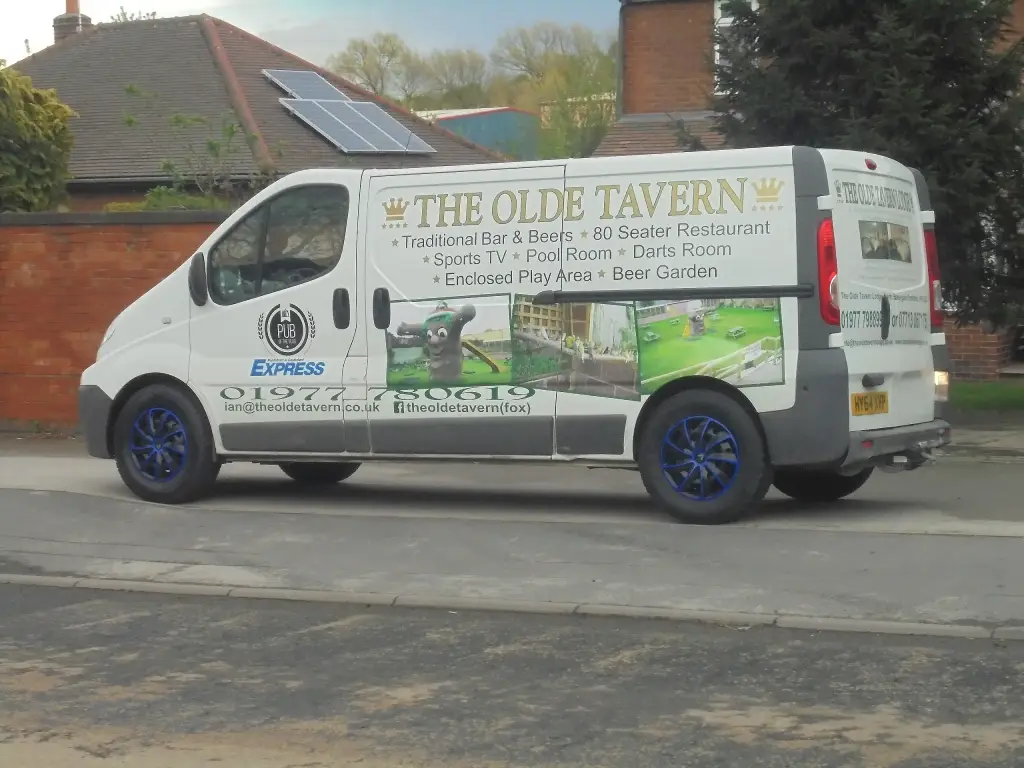
The Vauxhall Vivaro is Vauxhall’s mid-size van, on sale since 2001 in three generations. The first two were based on the Renault Trafic and built in Britain at Luton, while the third, from 2019, moved to the platform of the Peugeot Expert after Opel and Vauxhall joined PSA.
Vauxhall Vivaro at a glance
| Maker | Vauxhall (Opel Vivaro on the continent) |
|---|---|
| Vivaro 1 | 2001–2014, based on the second-generation Renault Trafic |
| Vivaro 2 | 2014–2018, based on the third-generation Renault Trafic |
| Vivaro 3 | from 2019, based on the third-generation Peugeot Expert |
| Built at | Luton and Sandouville for the Trafic-based vans |
| Bodies | panel van, crew van, combi and chassis cab |
| Drive | front-wheel drive |
| Related | Renault Trafic, Nissan Primastar, Opel Vivaro |
| Replaced | the Vauxhall Arena in 2001 |
| Owner from 2017 | Groupe PSA, later Stellantis |
The English article on the Vivaro is only a short overview, so this page draws on the Trafic article for the first two generations and is shorter than usual.
History of the Vauxhall Vivaro
The Vivaro replaced the Arena in 2001 as Vauxhall’s mid-size van, and it was again a shared design: the first generation was based on the second-generation Renault Trafic, developed by Renault with Opel and Nissan, and it was built at General Motors’ Luton plant alongside the Trafic and the Nissan Primastar. That arrangement made the Trafic the first Renault vehicle to be built in the United Kingdom in more than thirty years.
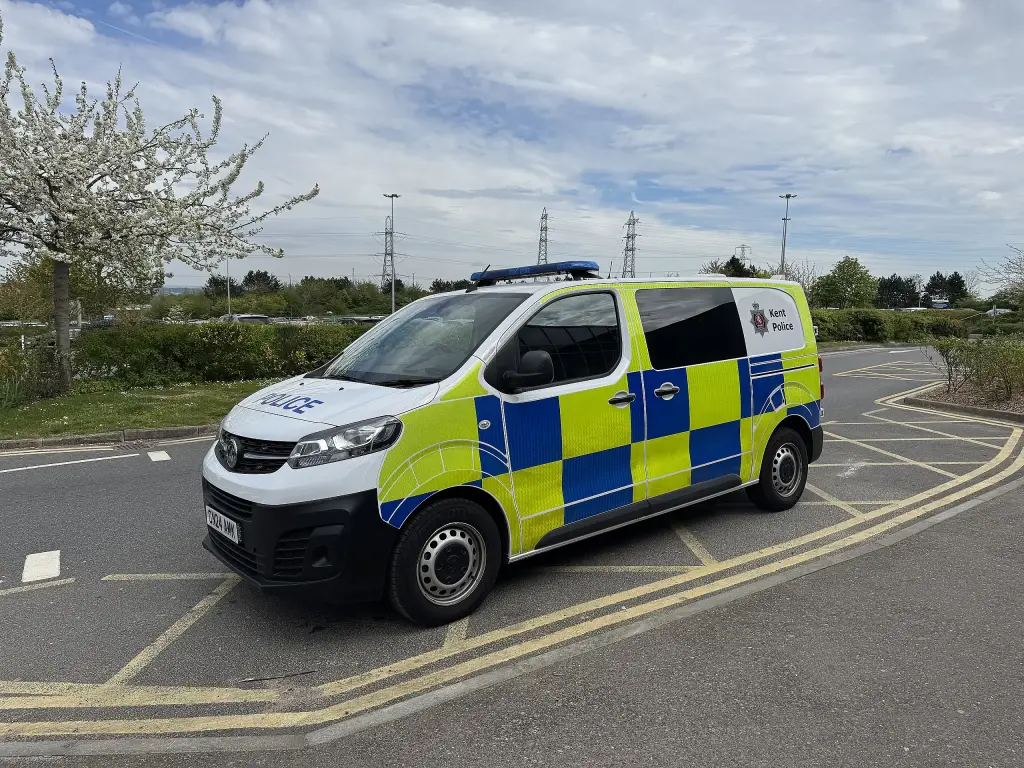
Production of the second-generation Vivaro began in 2014 at Luton and at Renault’s Sandouville factory, based on the third-generation Trafic. High-roof versions were built in Barcelona because the Luton plant’s roof was too low for them. The vans came in several forms, from a three-seater with all the rear space available for loads to a nine-seater passenger van.
Following the sale of Opel and Vauxhall from General Motors to Groupe PSA in 2017, the Trafic-based Vivaro went out of production in 2019. It was replaced by a third generation based on the Citroën Jumpy’s EMP2 platform, shared with the Peugeot Expert, for the 2020 model year. That van continued the Vivaro name into the Stellantis era, and an electric Vivaro-e joined the range.
Design and features
- Renault roots: the first two generations were Renault Trafic designs.
- Built at Luton: British assembly from 2001 onwards.
- Shared with Nissan: the same van was sold as the Nissan Primastar.
- New platform in 2019: the third generation moved to PSA underpinnings.
Vauxhall Vivaro versions
- Vivaro 1 (2001–2014): the Trafic-based original.
- Vivaro 2 (2014–2018): the second Trafic-based generation.
- Vivaro 3 (from 2019): the Expert-based van.
- Vivaro-e: the electric version of the third generation.
The Vivaro replaced the Arena and sits between the Combo and the Movano in the range. More cars are in the Vauxhall collection.
Sources
- Vauxhall Vivaro, English Wikipedia: three generations and their bases
- Renault Trafic, English Wikipedia: Luton and Sandouville production, bodies