The Tempo Matador was a four-wheeled, one-tonne delivery van made by Vidal & Sohn Tempo-Werk in Hamburg-Harburg. Launched in 1949 alongside the three-wheeled Hanseat, it used front-wheel drive and a low load floor to offer more space than the Volkswagen Transporter.
Tempo Matador at a glance
| Maker | Vidal & Sohn Tempo-Werk, Hamburg-Harburg |
|---|---|
| Production | from 1949; Hanomag badge from 1966 |
| Class | one-tonne delivery van |
| Layout | front-wheel drive, double-tube frame |
| First engine | 25 PS industrial engine from Volkswagen |
| From 1952 | 672 cm³ three-cylinder two-stroke or 1,092 cm³ four-stroke, 34 PS |
| Price | 7,100 DM for the box van in 1949 |
| Nickname | „Fischmaul“ (fish mouth) |
| Bodies | box van, bus, flatbed, sales van |
| Camper | Tempo Mikafa Sport Camper on the Matador chassis, 1955–1959 |
The Matador is described in a section of the German Wikipedia article on the Tempo works; this page is based on that section (based on one source).
History of the Tempo Matador
A one-tonne alternative to the VW Transporter
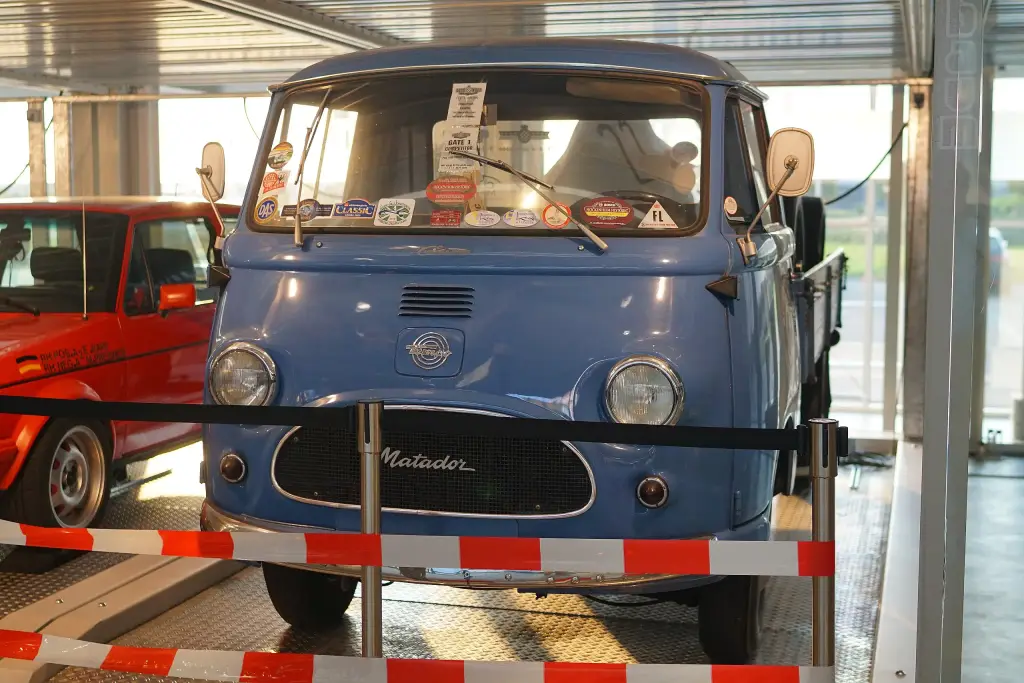
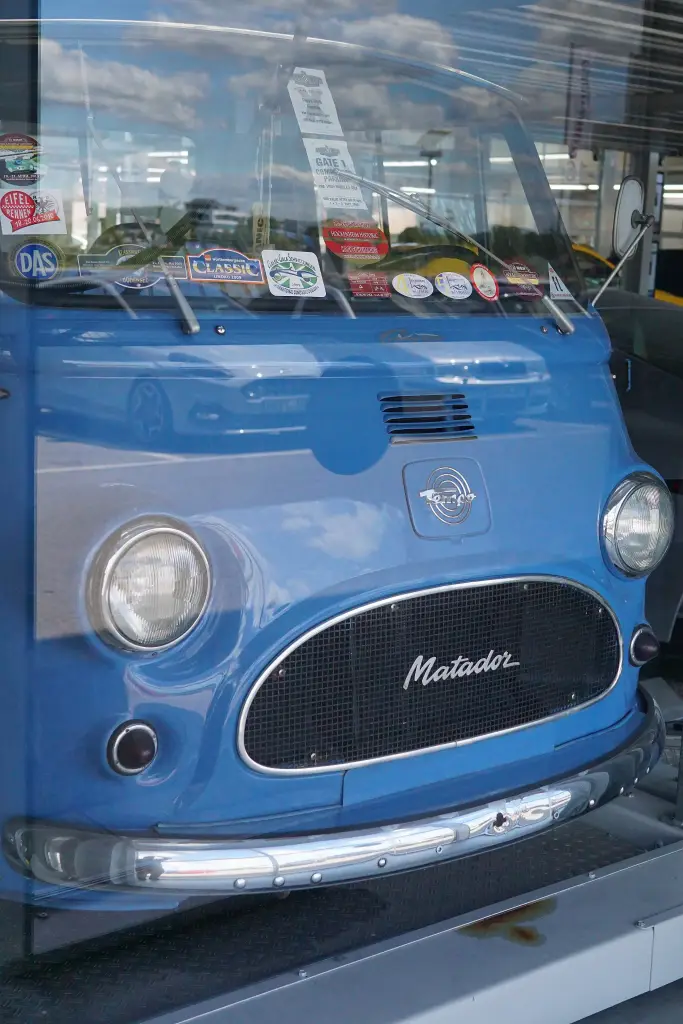
The Matador appeared in 1949, at about the same time as the 0.75-tonne Volkswagen Transporter. It was a one-tonner, and its front-wheel drive and double-tube frame, available in different lengths and rear track widths, gave better use of space and a lower load floor than the VW. The box van cost 7,100 DM in 1949, more than the Volkswagen. The first cars were powered by 25 PS Volkswagen industrial engines, which Tempo bought directly from VW. Critics sometimes compared the front of the early Matador with the face of a boxer dog, hence the nickname „Fischmaul“.
After the VW engines
Because Tempo had failed to sign a long-term supply contract, VW general director Heinz Nordhoff was able to stop deliveries of the engine to the competitor at short notice in 1952. From then on the Matador was offered with either a 672 cm³ three-cylinder two-stroke or a 1,092 cm³ four-stroke of 34 PS, both from the engineering office Müller in Andernach. The Matador was built alongside the Wiking, a 0.75-tonner with a 452 cm³ Heinkel two-stroke, and the Rapid minibus.
In 1955 Tempo joined forces with Hanomag, and in 1965 the Tempo brand disappeared within the Rheinstahl group. From 1966 the Matador carried the Rheinstahl-Hanomag emblem. Between 1955 and 1959 the Minden coachbuilder MIKAFA also built three Tempo Mikafa Sport Camper motorhomes on the Matador chassis, two with a Porsche engine and one with a BMW engine, at a price above 40,000 DM.
Design and features
- Front-wheel drive: a low load floor and good use of space for a one-tonne van.
- Double-tube frame: made in different lengths and rear track widths.
- Choice of engines: VW flat-four at first, then two-stroke or four-stroke units from Müller.
- Wide body range: box van, bus, flatbed and a sales van with a lowering floor.
- Camper conversion: the Mikafa Sport Camper used the Matador chassis.
Tempo Matador versions
- Matador (1949–1952): with the 25 PS Volkswagen engine.
- Matador (from 1952): 672 cm³ two-stroke or 1,092 cm³ four-stroke of 34 PS.
- Sales van: a lowered floor gave the seller standing height and near eye-level contact with customers.
- Tempo Mikafa Sport Camper: three motorhomes built on the Matador chassis, 1955–1959.
- Hanomag-badged Matador: from 1966, after the Tempo brand was withdrawn.
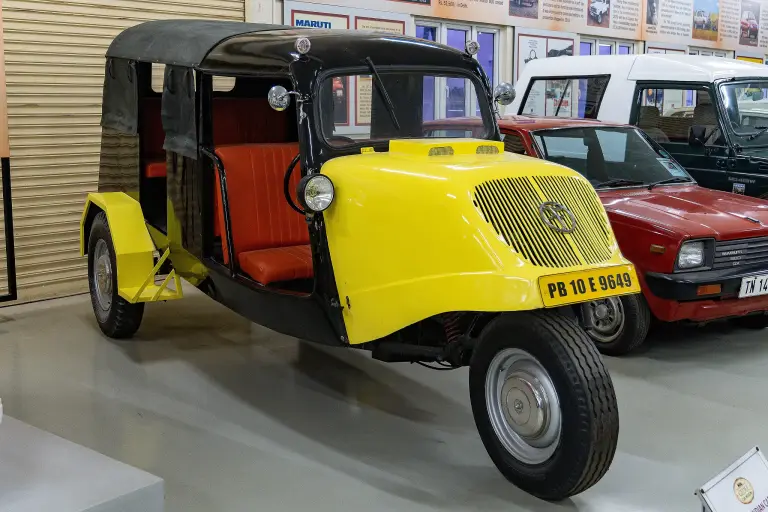
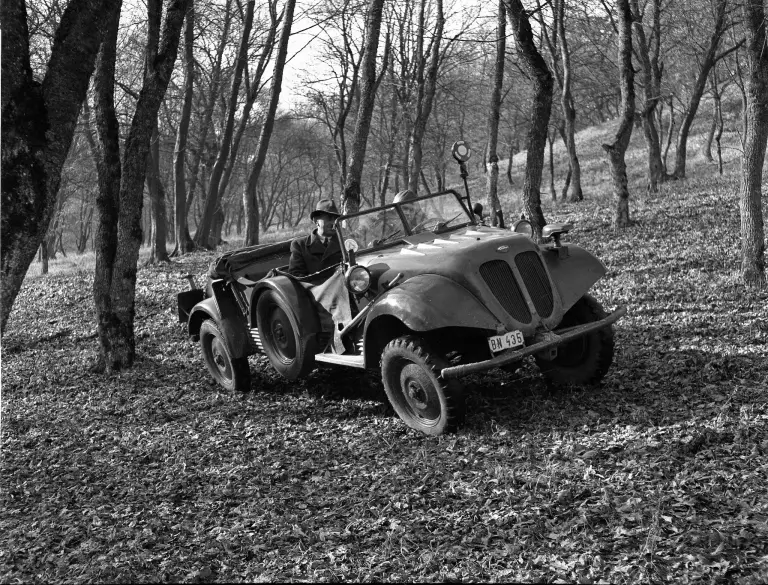
The Matador was the four-wheeled partner of the three-wheeled Tempo Hanseat and the ancestor of the Indian Tempo Traveller. The company also built the Tempo G1200; more vehicles are in the Tempo collection.
Video: 1951 Tempo Matador / VW motor, Louwman Museum
Video on YouTube.
Sources
- Vidal & Sohn Tempo-Werk, German Wikipedia: Matador history, engines, prices, bodies, camper conversions