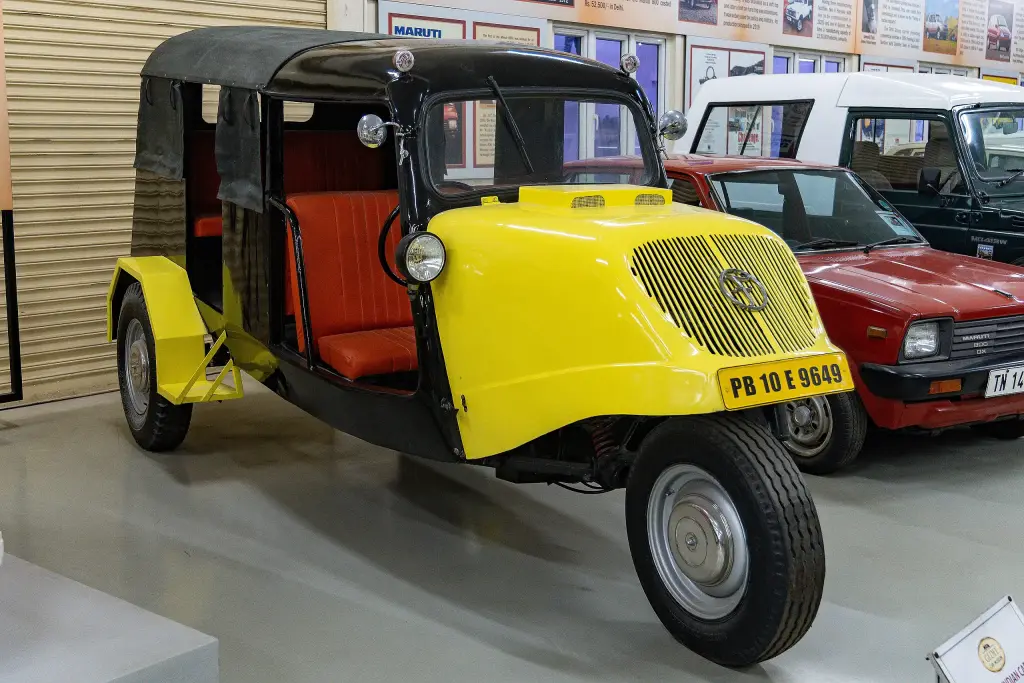
The Tempo Hanseat was a three-wheeled delivery van made by Vidal & Sohn Tempo-Werk in Hamburg-Harburg. It appeared in 1948 as a renamed and restyled version of the pre-war Tempo A 400 and stayed in production until the mid-1950s.
Tempo Hanseat at a glance
| Maker | Vidal & Sohn Tempo-Werk, Hamburg-Harburg |
|---|---|
| Name from | 1948, replacing the Tempo A 400 |
| Layout | three-wheeler, single front wheel, rear axle |
| Engine | two-cylinder two-stroke ILO, 12 PS, 13 PS from 1950 |
| Gearbox | three-speed, not synchronised |
| Brakes | cable-operated |
| Frame | central tube frame, two wheelbases: 2,870 or 3,170 mm |
| Payload | 750 kg |
| Price | 3,300 DM for the flatbed |
| Bodies | flatbed, box and van bodies |
| 1953 engine | 15 PS from Müller-Andernach |
The Hanseat is described in a section of the German Wikipedia article on the Tempo works; this page is based on that section (based on one source).
History of the Tempo Hanseat
From A 400 to Hanseat
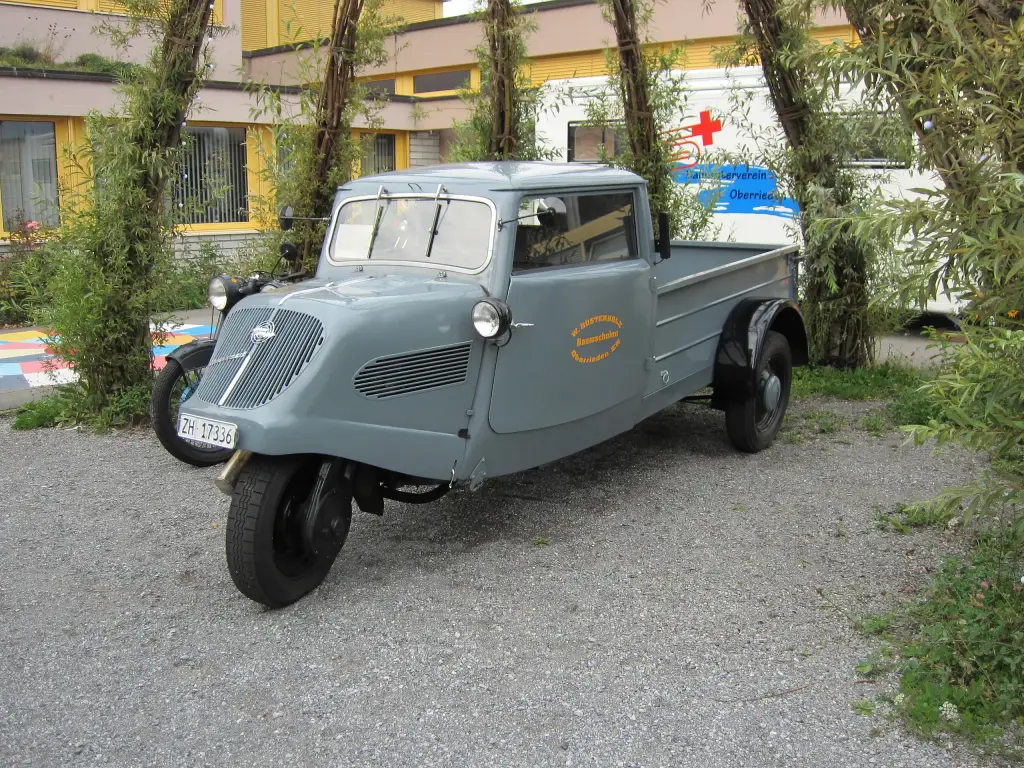
After the Second World War Tempo continued to build the A 400 three-wheeler almost unchanged until March 1950. It used a two-cylinder two-stroke ILO engine, a non-synchronised three-speed gearbox and cable-operated brakes. The load-bearing structure was a central tube frame, offered with a wheelbase of either 2,870 or 3,170 mm. For 1948 the bonnet received more rounded edges and the grille a new round logo, and the van was renamed Tempo Hanseat.
Updates through the 1950s
Under pressure from the Goliath competition, output rose from 12 to 13 PS in 1950. At the same time the front wheel received a shock absorber, and the rear rigid axle on leaf springs was replaced by a swing axle with four coil springs. The flatbed version carried 750 kg and cost 3,300 DM; box and van bodies were also available. In 1953 the engineering office Müller-Andernach supplied an improved 15 PS engine, but it could not stop the falling sales as buyers moved to four-wheeled vans.
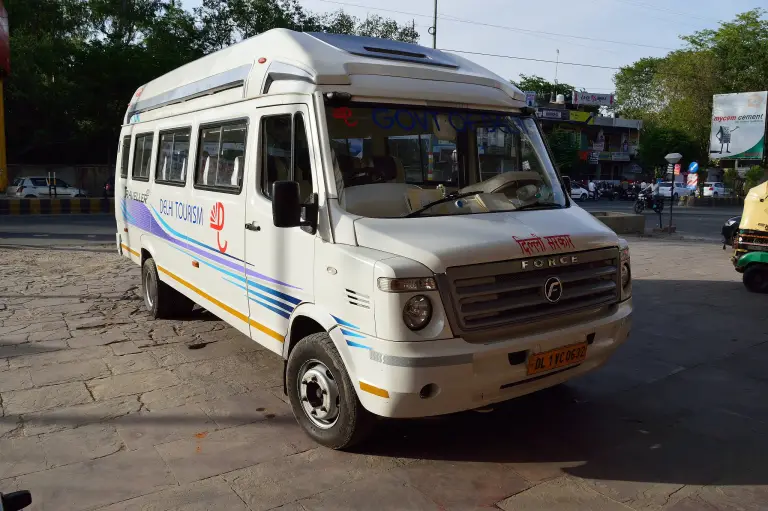
The Hanseat was part of a large Tempo three-wheeler programme: in the mid-1950s about 101,000 Tempo three-wheelers were registered in Germany. From 1962 three-wheeled Tempo vehicles were also built in India as a joint venture under the Bajaj Tempo name, and a version of the Hanseat with a single-cylinder four-stroke diesel engine was produced there until 2000, mostly as an auto rickshaw.
Design and features
- Single front wheel: the classic Tempo layout, with the engine, gearbox and front wheel in one pivoting unit.
- Central tube frame: offered in two wheelbase lengths for different bodies.
- 750 kg payload: a useful load for a three-wheeler of the period.
- Low price: 3,300 DM for the flatbed version.
- Long life abroad: the design continued in India until 2000 as a diesel-engined rickshaw.
Tempo Hanseat versions
- Flatbed: the basic open truck with 750 kg payload.
- Box and van bodies: closed bodies for deliveries.
- 1948–1950: 12 PS engine.
- 1950–1953: 13 PS, front shock absorber and coil-sprung rear swing axle.
- 1953: 15 PS Müller-Andernach engine.
- Indian diesel version: single-cylinder four-stroke, built until 2000.
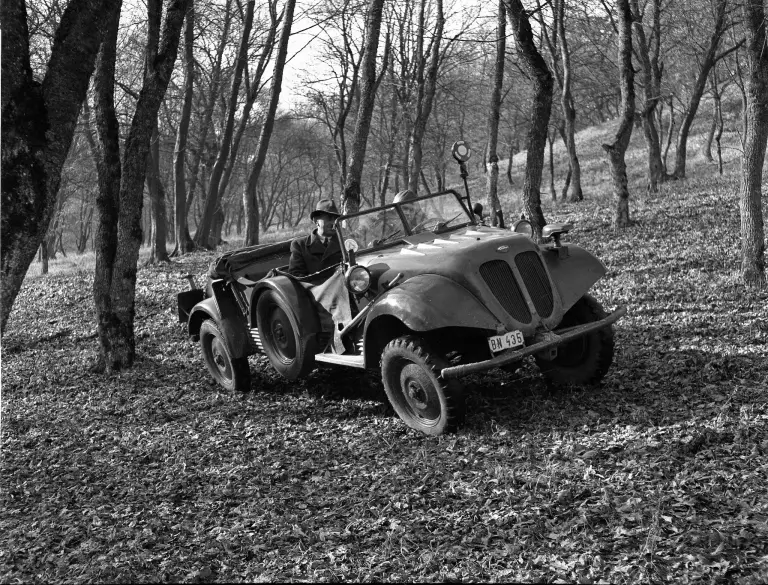
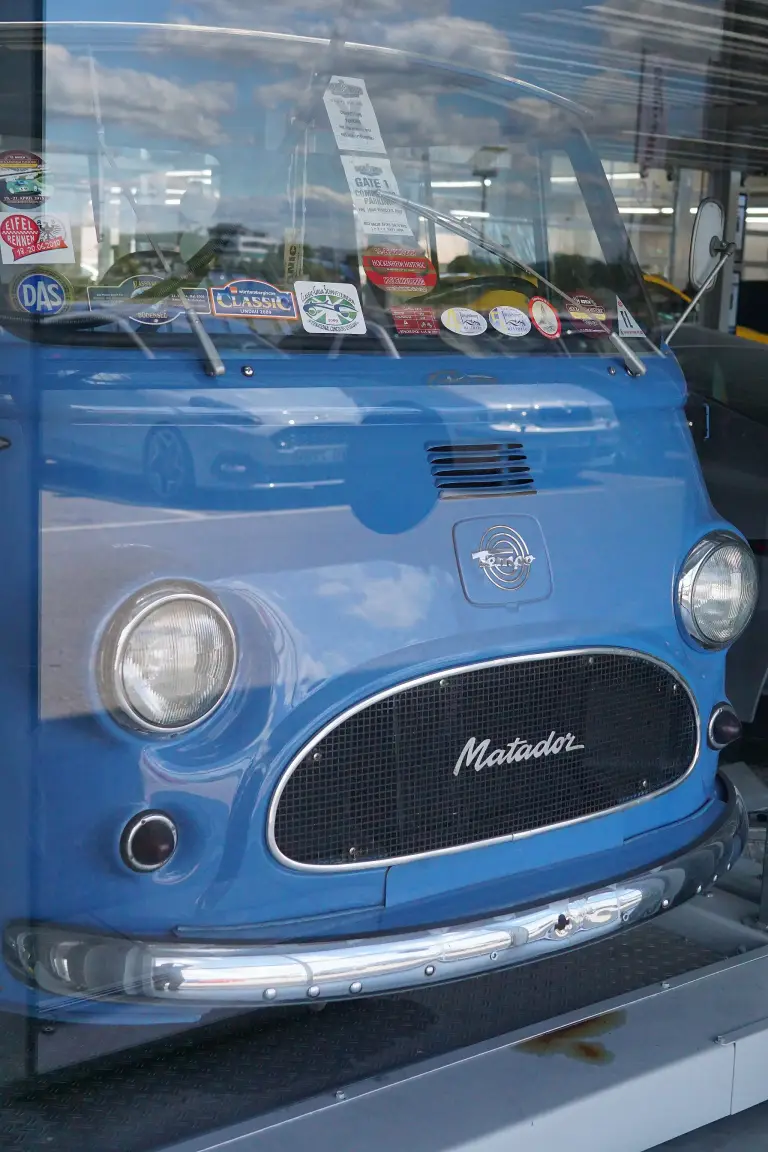
The Hanseat was the three-wheeled stablemate of the four-wheeled Tempo Matador; the same company also built the Tempo G1200 off-roader. More vehicles are in the Tempo collection.
Video: Tempo Hanseat Viehtransporter erste Probefahrt nach Wiederaufbau Teil 1
Video on YouTube.
Sources
- Vidal & Sohn Tempo-Werk, German Wikipedia: Hanseat history, engines, chassis, payload, price