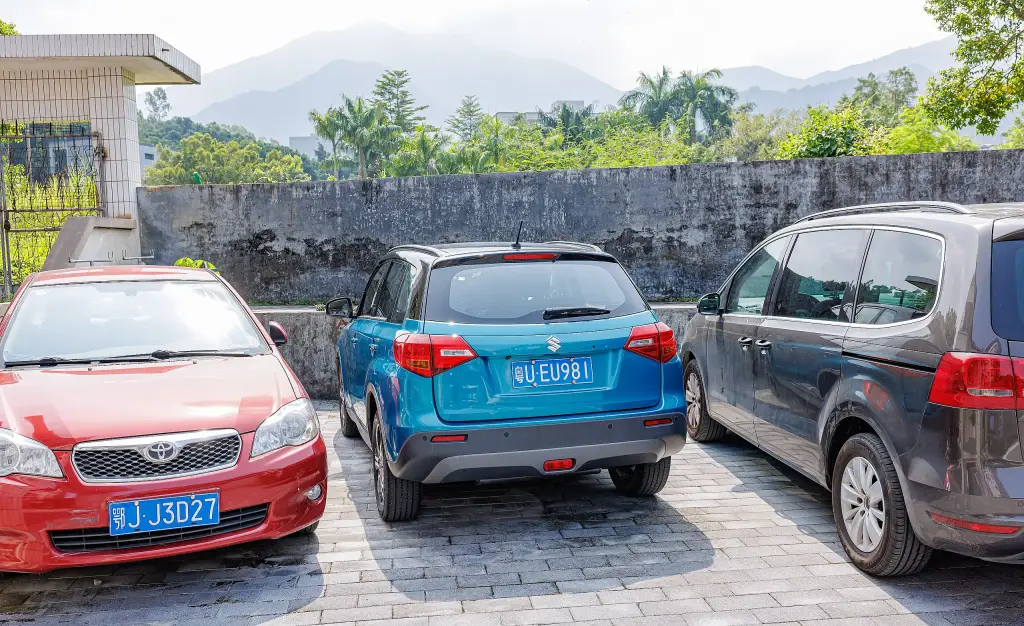
The Suzuki Vitara is a family of SUVs that Suzuki has produced in five generations since 1988. It has been sold as the Escudo in Japan, the Sidekick in North America and the Grand Vitara for its second and third generations.
Suzuki Vitara at a glance
| Production | since July 1988 |
|---|---|
| Japanese name | Escudo until 2024 |
| North American name | Sidekick |
| First generation | ET/TA, 1988 |
| First engine | 1.6-litre G16A, 81 PS |
| Five-door | from late 1990, as the Escudo Nomade in Japan |
| V6 | 2.0-litre from December 1994, Suzuki’s first six |
| Second generation | 1998, Grand Vitara in most markets |
| Third generation | 2005 |
| Fourth generation | 2015, back to the Vitara name as a crossover |
| Name meaning | from Latin vita, as in vitality |
History of the Suzuki Vitara
The first Escudo
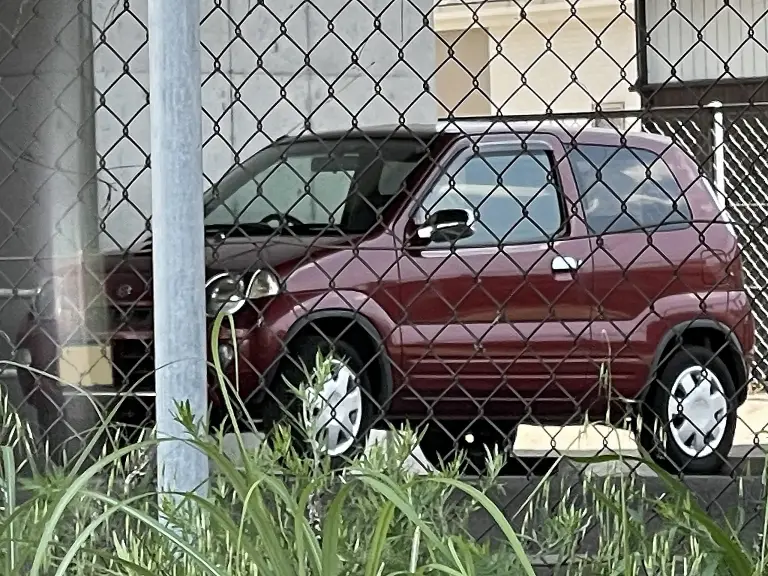
The Escudo went on sale in Japan in July 1988, designed to fill the gap above the Jimny. The American version, the Sidekick, arrived for 1989 as a two-door convertible or hardtop with a fuel-injected 1.6-litre 8-valve G16A engine of 81 PS on JX and JLX trims, or a 75 PS carburetted engine without a catalyst in some markets. The first-generation car was also sold as the Santana 300 and 350 in Spain and as the Mazda Proceed Levante in some markets, and North American production was a Suzuki-General Motors joint venture called CAMI.
More doors, more engine
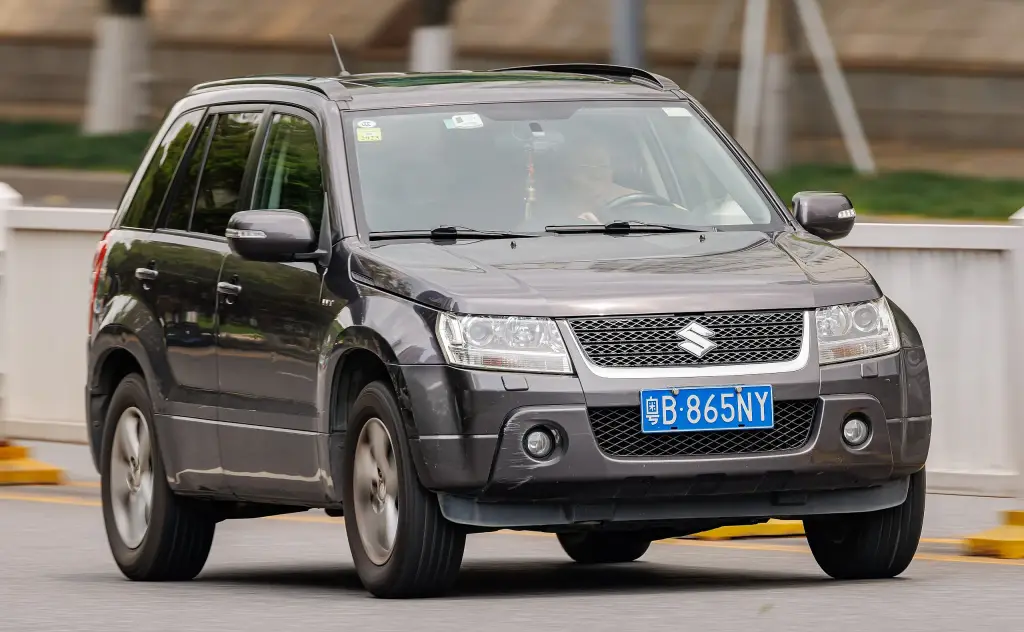
In August 1990 Japan got a 16-valve G16B of 100 PS and an optional four-speed automatic, and three months later came a five-door with a longer wheelbase, sold in Japan as the Escudo Nomade. It was expected to steal sales from the three-door, but instead it found a new audience and Japanese sales doubled. Rear anti-lock brakes followed in 1991 and the five-door reached Europe in the summer of 1991. In December 1994 Suzuki added a 2.0-litre V6, its first six-cylinder, and a 2.0-litre Mazda-sourced turbodiesel, in return for which Mazda sold the Escudo in Japan as the Proceed Levante from 1995 to 1997. The 1996 facelift brought a larger 2.5-litre V6 and a 2.0 four.
Grand Vitara and XL-7
The second generation arrived in 1998 and was badged Grand Vitara in most markets, accompanied by a larger SUV called the Suzuki XL-7, known at home as the Grand Escudo. The third generation followed in 2005. In North America the original Sidekick had gained a 1.8-litre Sport version with 120 hp in 1996, with dual airbags, two-tone paint and 16-inch alloys. The X-90 of 1996 was mechanically identical to the Vitara but had a rounder two-seater body with a removable T-bar roof.
The modern Vitara
The fourth generation of 2015 reverted to the Vitara name in most markets and moved from an off-road SUV towards a road-oriented crossover, sharing its platform and many parts with the slightly larger SX4 S-Cross. In 2022 Suzuki revived the Grand Vitara nameplate for a model sold only in India, slightly larger than the SX4 S-Cross. The name Vitara comes from the Latin vita, as in vitality, while Escudo refers to the former Portuguese currency.
Design and features
- Five generations: from a small 1988 four-wheel drive to a modern crossover.
- Many names: Escudo in Japan, Sidekick in America, Grand Vitara for two generations.
- Suzuki’s first V6: a 2.0-litre added in 1994, later 2.5 litres.
- The five-door that doubled sales: the longer Escudo Nomade of 1990.
Suzuki Vitara versions
- Vitara / Escudo / Sidekick (1988): the first generation in three- and five-door form.
- Vitara Sport (1996): 1.8-litre Sidekick with 120 hp.
- X-90 (1996): a two-seat Vitara derivative.
- Grand Vitara (1998): the second generation.
- Grand Vitara (2005): the third generation.
- Vitara (2015): the fourth generation crossover.
- Grand Vitara (2022, India): a new model reusing the name.
The Vitara sits above the Jimny in Suzuki’s off-road range, spawned the XL-7 and the X-90, and shares its crossover era with the SX4. More Suzukis are in the Suzuki collection.
Video: SUZUKI VITARA OFF ROAD
Video by Piotr K on YouTube.
Sources
- Suzuki Vitara, English Wikipedia: generations, engines, names, markets