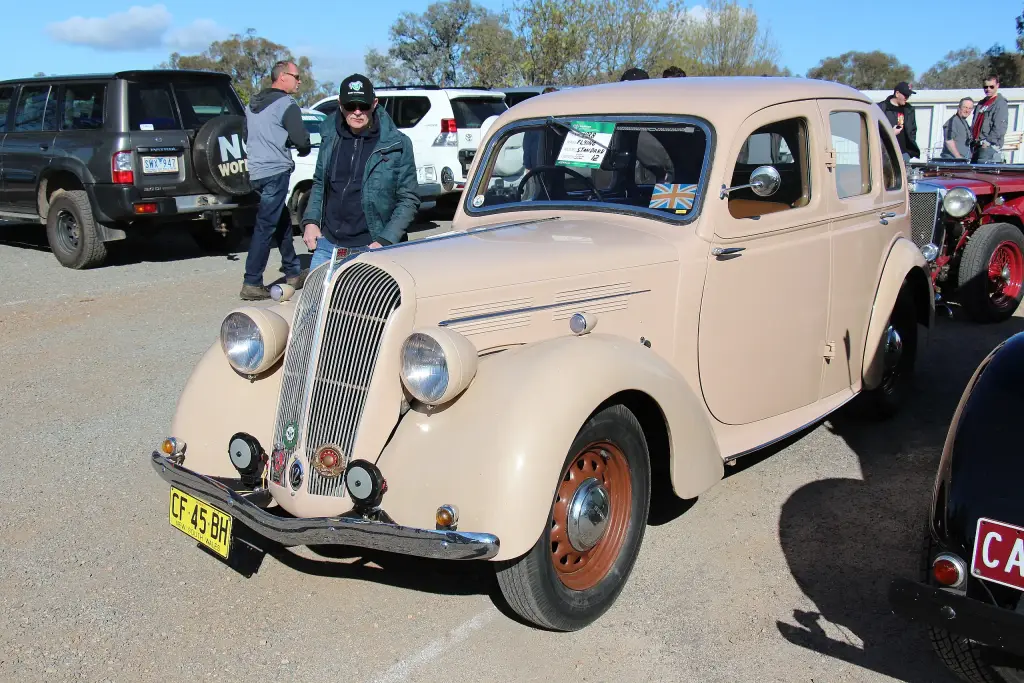
The Standard Twelve was a model name used by the Standard Motor Company in Coventry at three periods: 1910–1911, 1933–1940 and 1945–1948. Over that time it covered a small tourer, six-cylinder saloons and the streamlined Flying Twelve.
Standard Twelve at a glance
| Maker | Standard Motor Company, Coventry |
|---|---|
| Periods | 1910–1911, 1933–1940, 1945–1948 |
| First 12 hp | 1,656 cc four-cylinder, 68 mm × 114 mm |
| Little 12 (1933) | 1,337 cc six-cylinder, 29 bhp, 98 km/h |
| Big 12 (1933) | 1,497 cc six-cylinder, 98 km/h |
| 12/6 (1934) | the Big 12 renamed, six-cylinder |
| 12 hp (1934–1935) | 1,608 cc four-cylinder, 44 bhp, 97 km/h |
| Flying Twelve (1936–1948) | 1,609 cc four-cylinder, three-speed gearbox |
| Top speed | 108–114 km/h for the Flying Twelve |
| Bodies | tourer in 1910; saloons; two-door cabriolet after 1945 |
There is no English Wikipedia article on the Standard Twelve; this page is based on the German and Italian articles.
History of the Standard Twelve
The first 12 hp (1910–1911)
The name first appeared in 1910 on a small four-seat tourer with a long-stroke four-cylinder side-valve engine of 1,656 cc, a 68 mm bore and a 114 mm stroke. The bare chassis weighed 508 kg, making the 12 hp the smallest model the company offered that year. It was built until 1911 and was not replaced.
Little 12, Big 12 and the 12/6 (1933–1935)
The name returned in 1933 on two small four-door saloons with six-cylinder engines. The smaller Little 12 had a 1,337 cc unit (57 mm by 87.3 mm) producing 29 bhp at 3,500 rpm. The larger Big 12 had a 1,497 cc engine and was 127 mm longer and 127 mm wider; both reached 98 km/h. In 1934 the Little 12 was dropped and the Big 12, slightly enlarged but with the same engine, was renamed 12/6 to distinguish it from a new four-cylinder 12 hp. The six-cylinders were withdrawn in 1935. The four-cylinder 12 hp of 1934 corresponded to the 12/6 but had a 1,608 cc engine (69.5 mm by 106 mm) of 44 bhp at 4,000 rpm and a top speed of 97 km/h; its only body was a four-door saloon. The revised Flying Twelve replaced it in 1936.
The Flying Twelve (1936–1948)
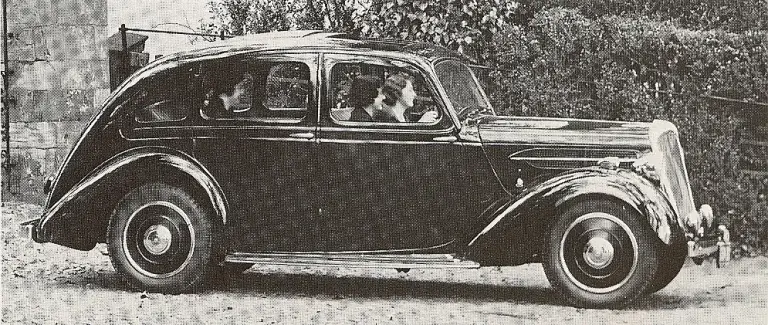
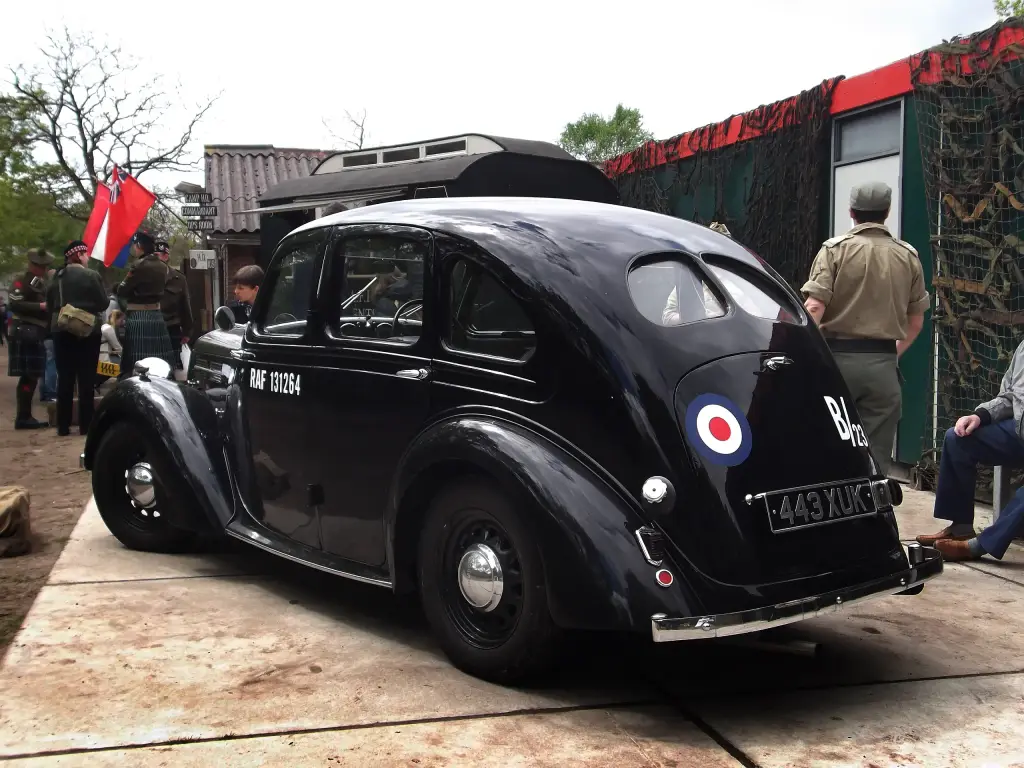
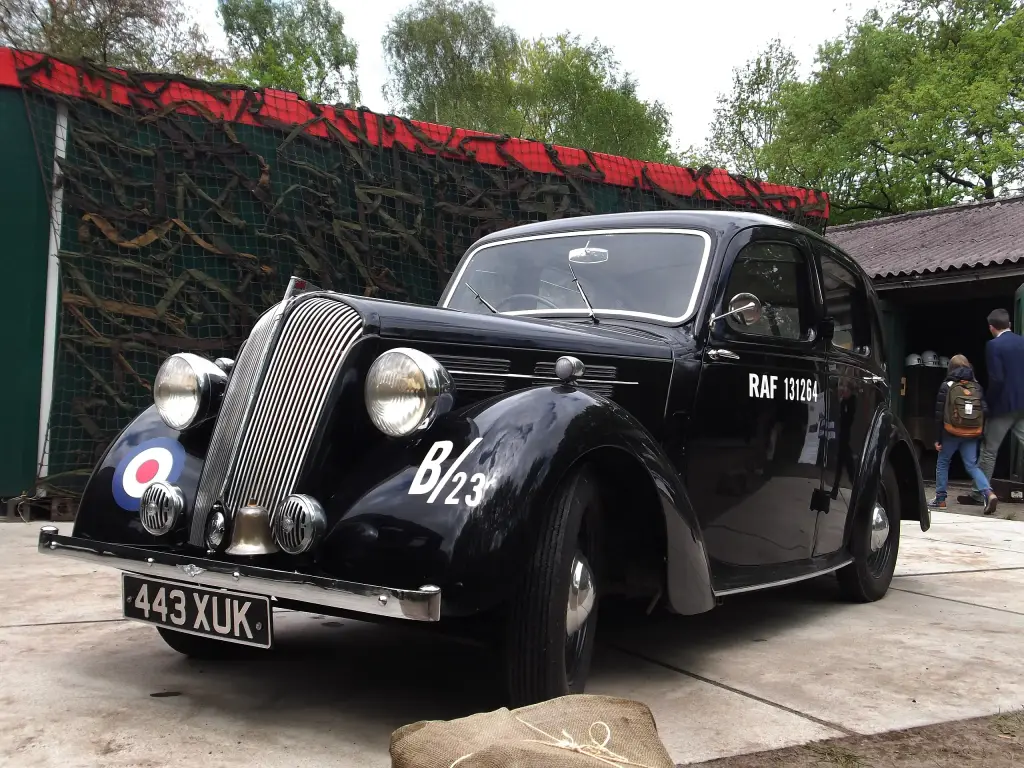
The Flying Twelve followed the 12 hp and wore the pseudo-streamlined bodywork of the Standard Flying range. Its side-valve four-cylinder engine of 1,609 cc came from its predecessor and drove through a synchronised three-speed gearbox. The cars were slightly smaller than the model they replaced, and only in 1936 was there a Flying Light Twelve on a shorter chassis. Top speed rose to between 108 and 114 km/h, well above the less streamlined earlier cars. Production stopped in 1940 because of the war and resumed in 1945, when a two-door cabriolet joined the saloon. The Twelve finally left the range in 1948.
Design and features
- Three lives: a 1910 tourer, six-cylinder saloons in 1933–1935 and the Flying Twelve from 1936.
- Six-cylinder interlude: the Little 12 and Big 12 of 1933, renamed 12/6 in 1934.
- Flying styling: the 1936 Flying Twelve adopted the streamlined look of the Flying range.
- Post-war revival: production resumed in 1945 with a saloon and a two-door cabriolet.
Standard Twelve versions
- 12 hp tourer (1910–1911): four-cylinder, 1,656 cc.
- Little 12 (1933): 1,337 cc six-cylinder saloon.
- Big 12 (1933) and 12/6 (1934): 1,497 cc six-cylinder saloon.
- 12 hp (1934–1935): 1,608 cc four-cylinder saloon.
- Flying Twelve (1936–1940, 1945–1948): 1,609 cc, saloon and cabriolet.
- Flying Light Twelve (1936): short-chassis version.
The Twelve was larger than the Standard Nine and smaller than the Standard Fourteen. More cars are in the Standard collection.
Sources
- Standard Twelve, German Wikipedia: all three periods, engines, bodies
- Standard Twelve, Italian Wikipedia: bodies, performance, post-war production