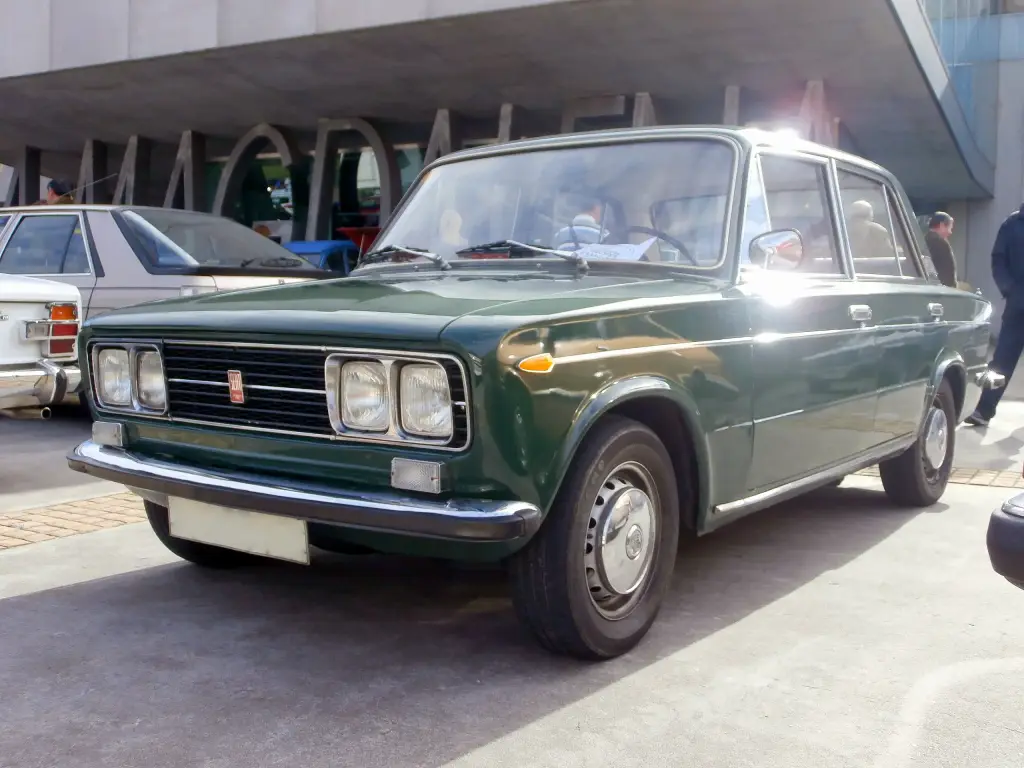
The SEAT 1430 was the sporting and luxurious branch of the SEAT 124 family. Introduced at the 1969 Barcelona Motor Show, it was based on the Fiat 124 Special but wore the square headlamps of the larger Fiat 125, and between 1969 and 1975 SEAT built 255,414 of them.
SEAT 1430 at a glance
| Maker | SEAT, Spain |
|---|---|
| Production | 1969–1975 |
| Basis | Fiat 124 Special with Fiat 125 front styling |
| Bodies | four-door saloon, five-door Familiar estate |
| Engine | 1,438 cc twin cam |
| Suspension | four-link rear |
| Gearbox | four-speed, five-speed optional |
| 1973 addition | 1430 Especial 1600, known as “FU” |
| Built | 255,414 |
| Replaced by | SEAT 131 |
This page is based on one source, the English Wikipedia article on the SEAT 1430.
History of the SEAT 1430
An aspirational 124
The 1430 was shown at the 1969 Barcelona International Motor Show as a more powerful and better-equipped version of the SEAT 124. It was based entirely on the Special version of the Fiat 124, adapted for Spain with cosmetic parts from the large Fiat 125, so the front lights and much of the cabin were almost identical to the Italian car. For Spanish buyers it marked the first affordable model with a four-link rear suspension, twin-cam engines and an optional five-speed gearbox, and its equipment level was far above that of the basic 124.
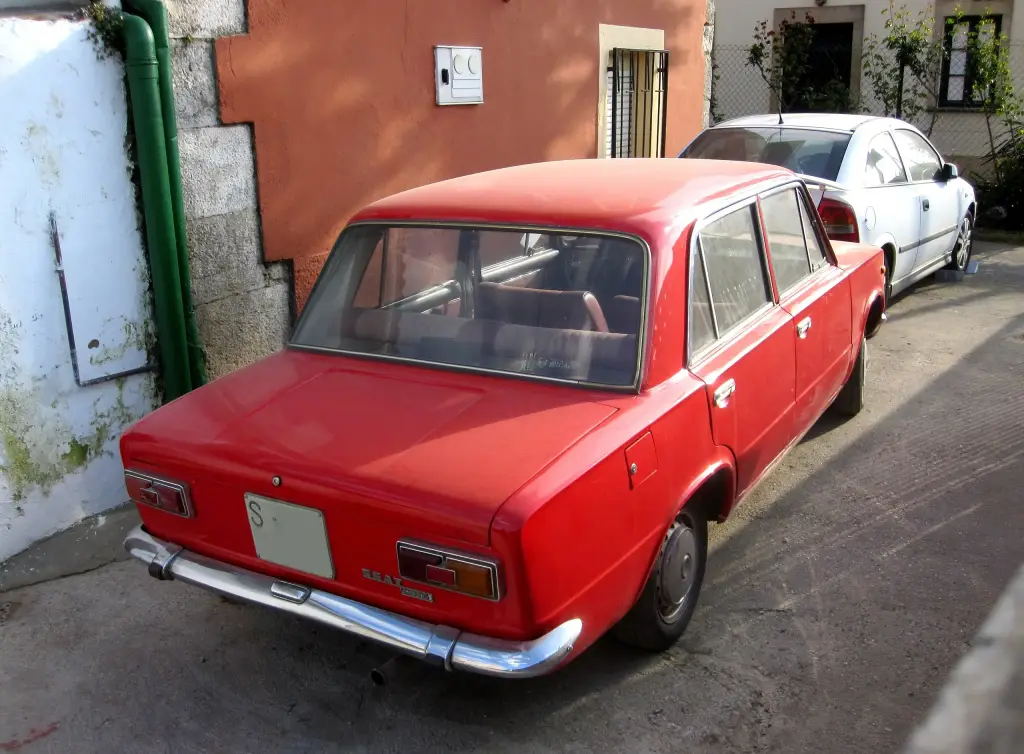
Catorcetreinta
SEAT treated the 1430 as a model in its own right rather than a 124 version, and the public called it Catorcetreinta, Spanish for fourteen-thirty. Its finish and performance, especially in the 1,600 cc and 1,800 cc Special versions, gave it a special place among enthusiasts for years. In 1973 the GTI of the range arrived as the 1430 Especial 1600, popularly known as “FU”. The model also provided the engine for the SEAT 1430 Sport Coupé of 1977, which used the body of the SEAT 1200 Sport; there the 1,438 cc engine gave 77 PS and a top speed of 164 km/h.
Racing and rallying
SEAT’s first serious World Rally Championship season was 1977, with the 1430/124D Especial 1800. On its debut at the Monte Carlo Rally the team finished third and fourth with Antonio Zanini and Salvador Cañellas. Closer to home, SEAT set up the Fórmula Nacional series in 1970, renamed Formula 1430 a year later, in which young Spanish drivers raced single-seaters powered by the 1430 engine and its 6700 gearbox; the first race was held at Jarama. The 1430 was replaced by the SEAT 131 while the basic 124 continued until 1980.
Design and features
- Twin-cam engines: 1,438 cc as standard, with 1,600 and 1,800 Special versions.
- Modern chassis: four-link rear suspension and an optional five-speed gearbox.
- Fiat 125 face: square headlamps and a 125-style cabin set it apart from the 124.
- Competition pedigree: the basis of SEAT’s first works rally team and of the Formula 1430 series.
SEAT 1430 versions
- 1430 (1969–1975): standard four-door saloon.
- 1430 Familiar: five-door estate.
- 1430 Especial 1600 / “FU” (1973): the GTI of the range.
- 1430 Especial 1800: larger-engined Special, later used for rallying.
- 1430 Sport Coupé (1977): 1200 Sport body with the 1430 engine, 77 PS.
The 1430 was the upmarket relative of the SEAT 124 and was replaced by the SEAT 131. More Spanish cars are in the SEAT collection.
Sources
- SEAT 1430, English Wikipedia: history, equipment, motorsport, production total