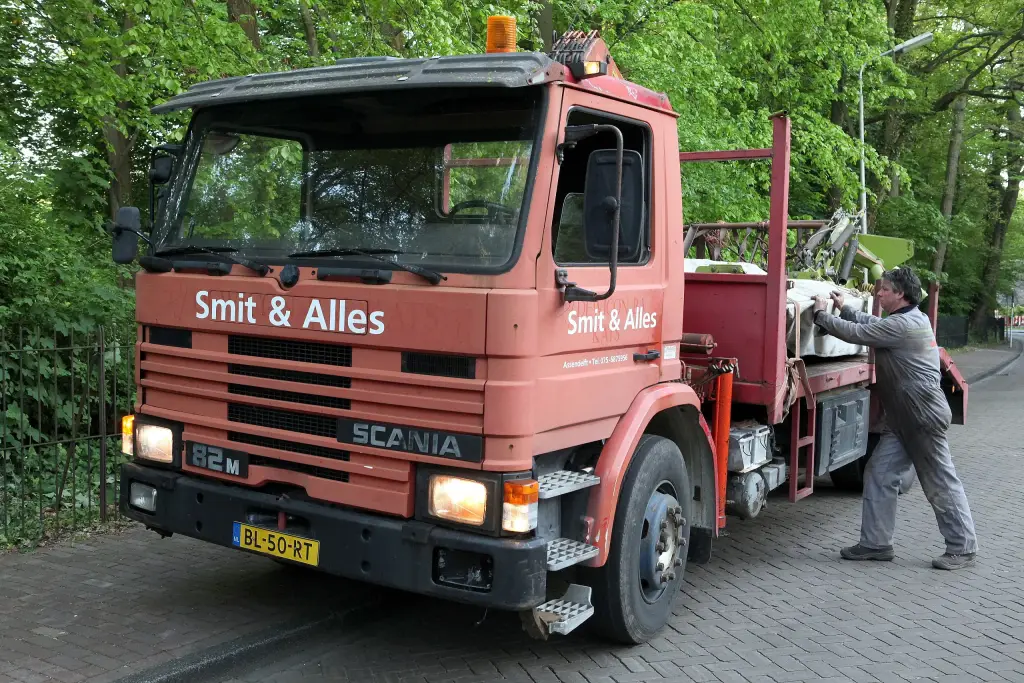
The Scania 2-series, originally called the GPRT range, was introduced in 1980 as the successor to the 1-series. It offered engines from a 7.8-litre inline six to a 14.2-litre V8 and a completely new cab designed by Giorgetto Giugiaro, and it stayed in production in South America long after the 3-series had replaced it in Europe.
Scania 2-series at a glance
| Introduced | 1980 |
|---|---|
| Predecessor | Scania 1-series |
| Successor | Scania 3-series (1987) |
| First body style | bonneted T-series, spring 1980 |
| Cab designer | Giorgetto Giugiaro |
| Engines | 7.8-litre inline six, 8.5-litre, 11.0-litre, 14.2-litre V8 |
| Power code | 82, 112, 142 for the bonneted models |
| Suffixes | M medium, H heavy, E extra-heavy duty |
| Brazilian production | from 1982 |
| End of production | 1987 in Europe, 1992 in Argentina and Brazil |
based on one source
History of the Scania 2-series
A new range in 1980
The 2-series was shown for the first time in the spring of 1980, initially as the bonneted T-series — “T” for Torpedo, not to be confused with the 2004 T-series. The cab, with an all-new interior, was designed by Giorgetto Giugiaro. The range sat above the 1-series and offered several engine sizes and power ratings, from a 7.8-litre inline six to a 14.2-litre V8.
Model designations
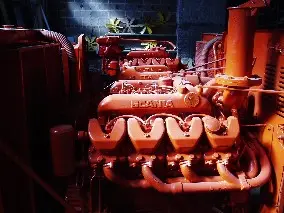
The engines were the DN8 (7,790 cc, naturally aspirated), DS8 (turbocharged) and DSI8 (intercooled) of 7.8 litres; the DS9 and DSC9 of 8,476 cc; the DN11, DS11 and DSC11 of 11,021 cc; and the DS14 and DSC14, a 14,188 cc V8, turbocharged or intercooled. The letter suffixes M, H and E denoted medium, heavy and extra-heavy frame and suspension ratings. The cab prefixes described the installation: G a rigidly mounted short low cab, P a suspended low cab in short or long form with a single berth, R a high cab with a double berth and T the bonneted conventional cab.
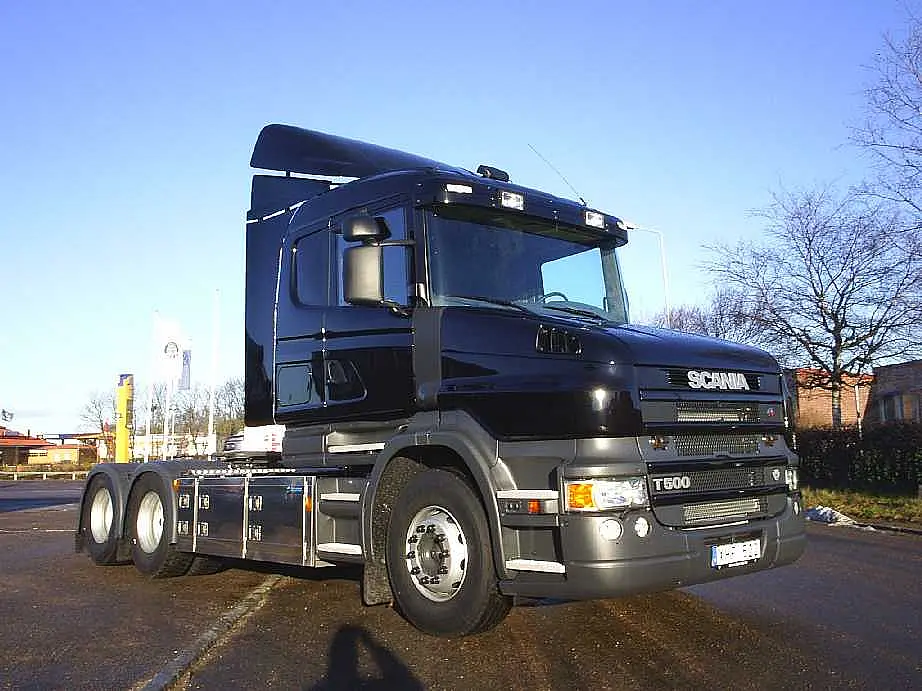
The bonneted T-series
At launch the T-series could be ordered with a 7.8, 11.0 or 14.2-litre engine, denoted 82, 112 and 142 respectively. In 1984 the 8.5-litre “92” series was added to the range.
Production in South America
Scania’s Brazilian operations began building the 2-series in 1982. Production in Europe stopped after the 3-series was introduced in 1987, but the 2-series continued to be built in Argentina and Brazil until 1992.
Design and features
- Giugiaro cab: a completely new cab and interior for 1980.
- Wide engine range: 7.8, 8.5, 11.0 and 14.2 litres, naturally aspirated, turbocharged or intercooled.
- Duty ratings: M, H and E suffixes for medium, heavy and extra-heavy work.
- Long South American life: built in Brazil from 1982 and in Argentina until 1992.
Scania 2-series versions
- 82, 112, 142: bonneted T-series with 7.8, 11.0 and 14.2-litre engines.
- 92 series: added in 1984 with the 8.5-litre engine.
- G, P, R and T cabs: short low, suspended low, high sleeper and bonneted.
- M, H and E chassis: medium, heavy and extra-heavy ratings.
The range it replaced is described in Scania 1-series, and its successor in Scania 3-series. The later trucks are in Scania 4-series and the Scania collection.
Sources
- Scania 2-series, English Wikipedia: engines, designations, production