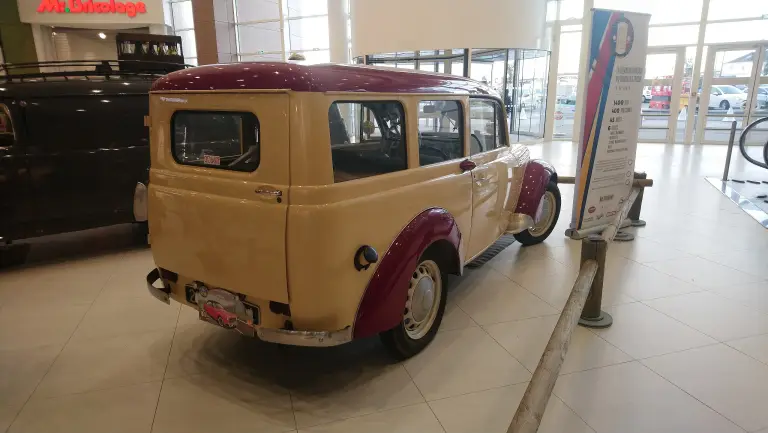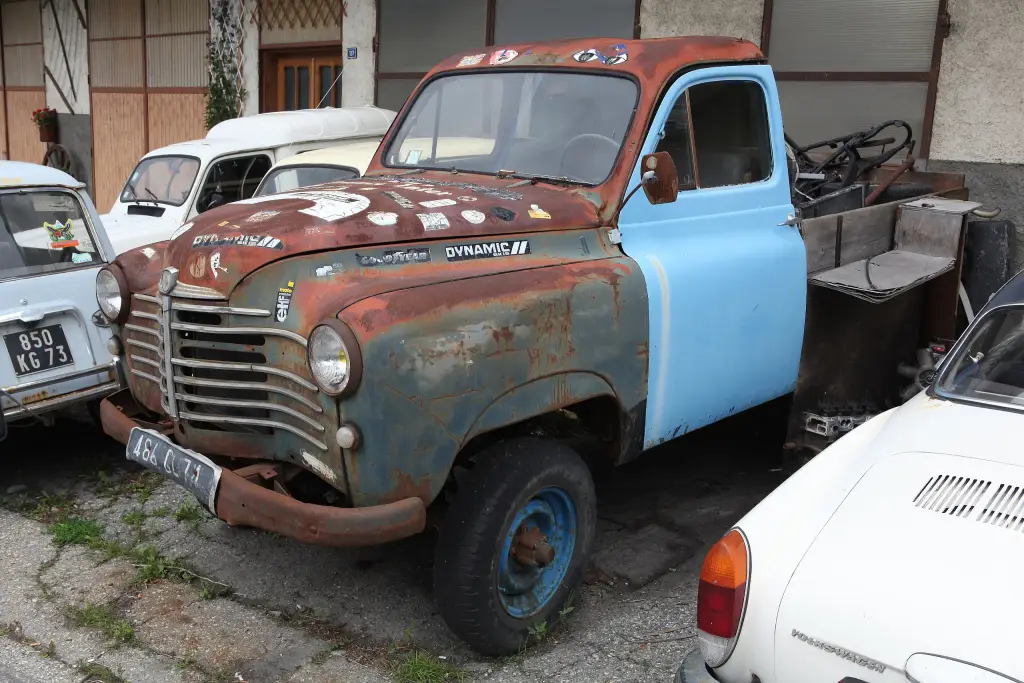
The Renault Colorale is a mid-size car built from 1950 to 1957 with the profile of a large station wagon. Its name is a portmanteau of the French words ‘coloniale’ and ‘rurale’, and it anticipated successful Renault designs of the 1960s, although it was not a commercial success.
Renault Colorale at a glance
| Maker | Renault, body by Chausson |
|---|---|
| Production | 1950–1957 |
| Type | large estate car |
| Chassis | modified Renault 1 000 kg van chassis |
| Styling | inspired by American station wagons |
| Drive | rear-wheel drive, four-wheel drive available |
| Bodies | estate, van, pick-up and the Prairie 4×4 |
| Assembly | Chausson at Gennevilliers, then Renault Billancourt |
Based on one source, the English Wikipedia article on the Renault Colorale.
History of the Renault Colorale
Moving upmarket
At the end of the 1940s Renault, recently nationalised and enjoying booming sales of the 4CV, wanted to move upmarket. Its strategy called for a robust, functional vehicle equally at home in town or country and appealing to the overseas markets of the French empire. With colonial and rural customers in its sights, the car was named Colorale, a portmanteau of ‘coloniale’ and ‘rurale’.
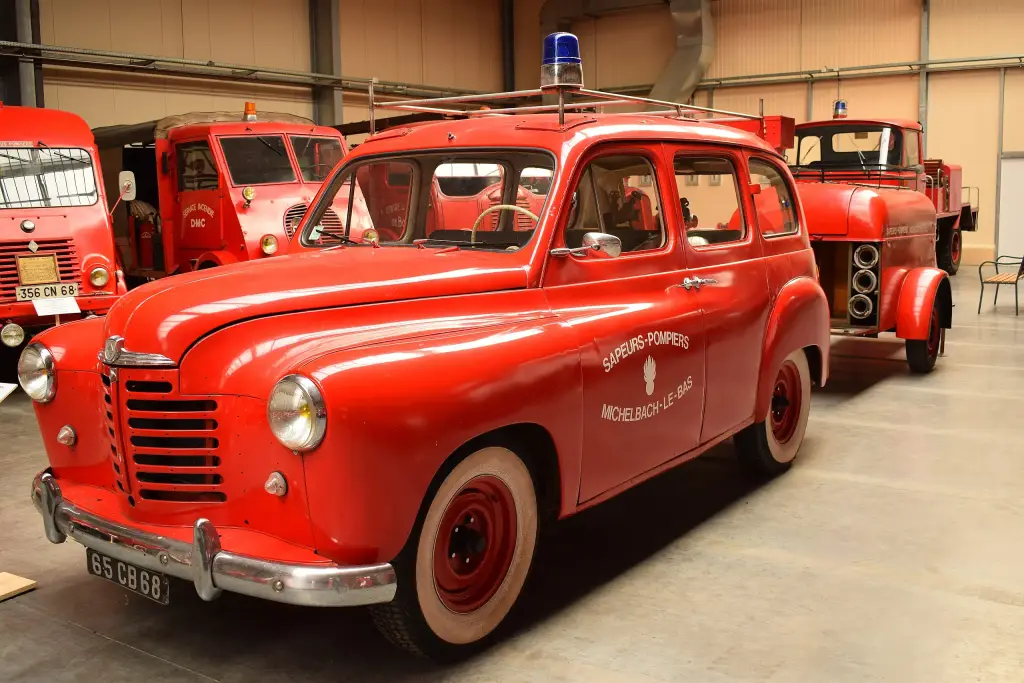
American looks, truck bones
The Colorale used a modified version of the Renault 1 000 kg van chassis, while the body was completely new, with Renault designers taking inspiration from American station wagons such as the Chevrolet Suburban. Body panels were stamped and assembled by the Chausson company at Gennevilliers before final assembly at Renault’s Billancourt plant.
Ahead of its time
With a robust, spacious body and the option of four-wheel drive, the Colorale was in some ways a more radical design than the innovative Renault hatchbacks of the 1960s, and in several respects it recalled the SUVs that proliferated at the end of the twentieth century. In the 1950s, however, the French market was less welcoming: the Colorale was slower and less elegant than other cars at its price. Customers in French overseas territories were apparently less resistant to it, but it was not the success Renault had hoped for.
Design and features
- Van chassis: a modified Renault 1 000 kg chassis under a new estate body.
- Four-wheel drive: an option that made the Colorale a forerunner of later SUVs.
- American-inspired body: styling based on station wagons such as the Chevrolet Suburban.
- Chausson panels: body panels stamped and assembled by Chausson at Gennevilliers.
Renault Colorale versions
- Colorale estate: the main passenger version.
- Colorale van and pick-up: commercial bodies on the same chassis.
- Prairie: the four-wheel-drive version.
The Colorale was built on the chassis of the Renault 1 000 kg van, and its four-wheel-drive Prairie version looked ahead to cars like the Dacia Duster. More cars are in the Renault collection.
Sources
- Renault Colorale, English Wikipedia: background, chassis, production, market