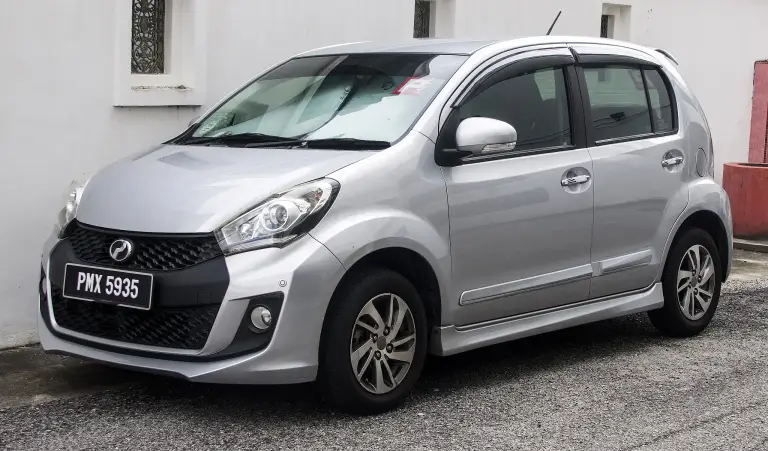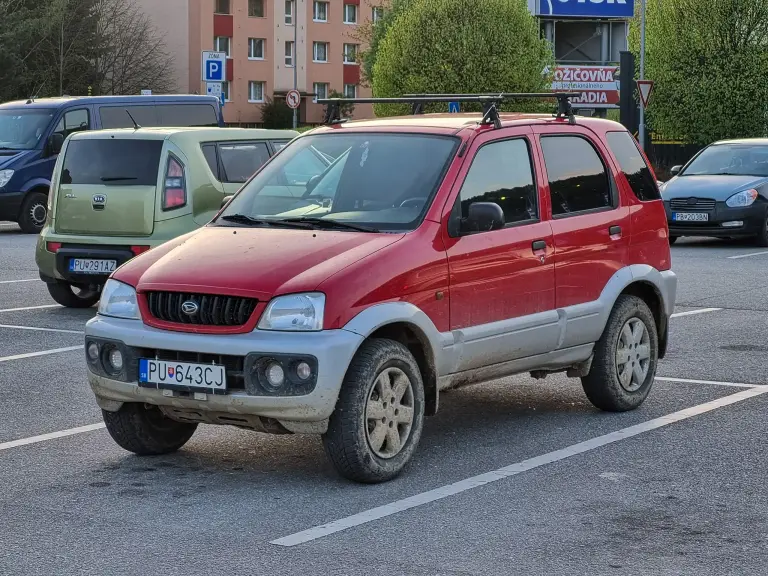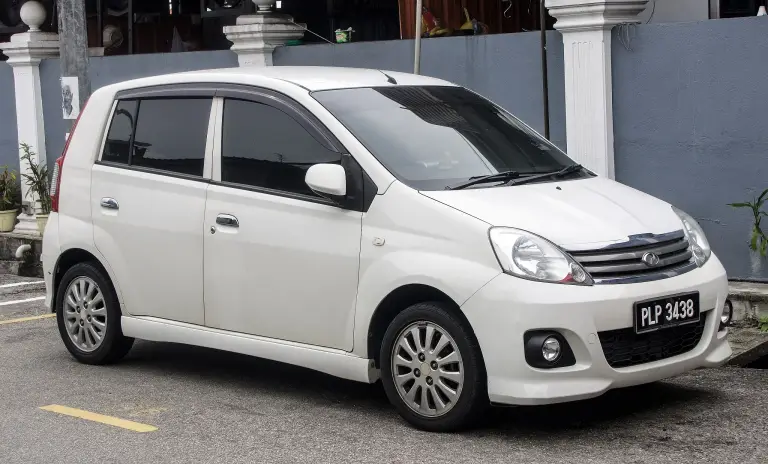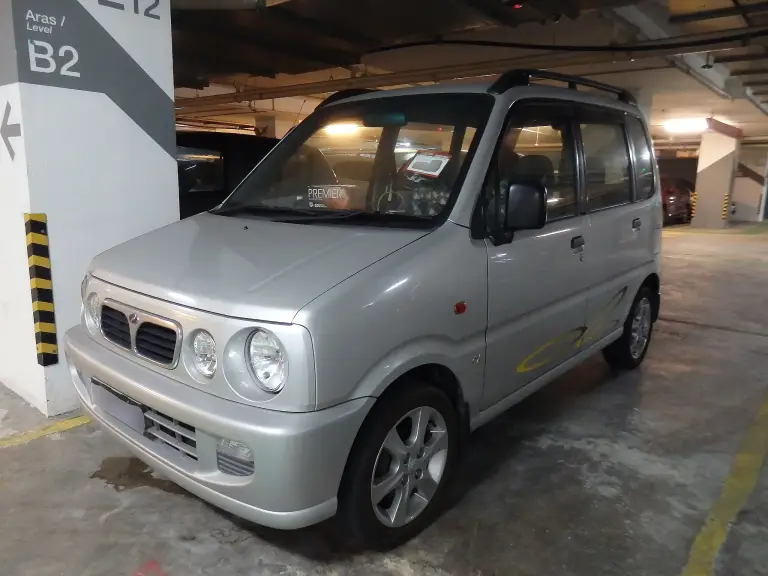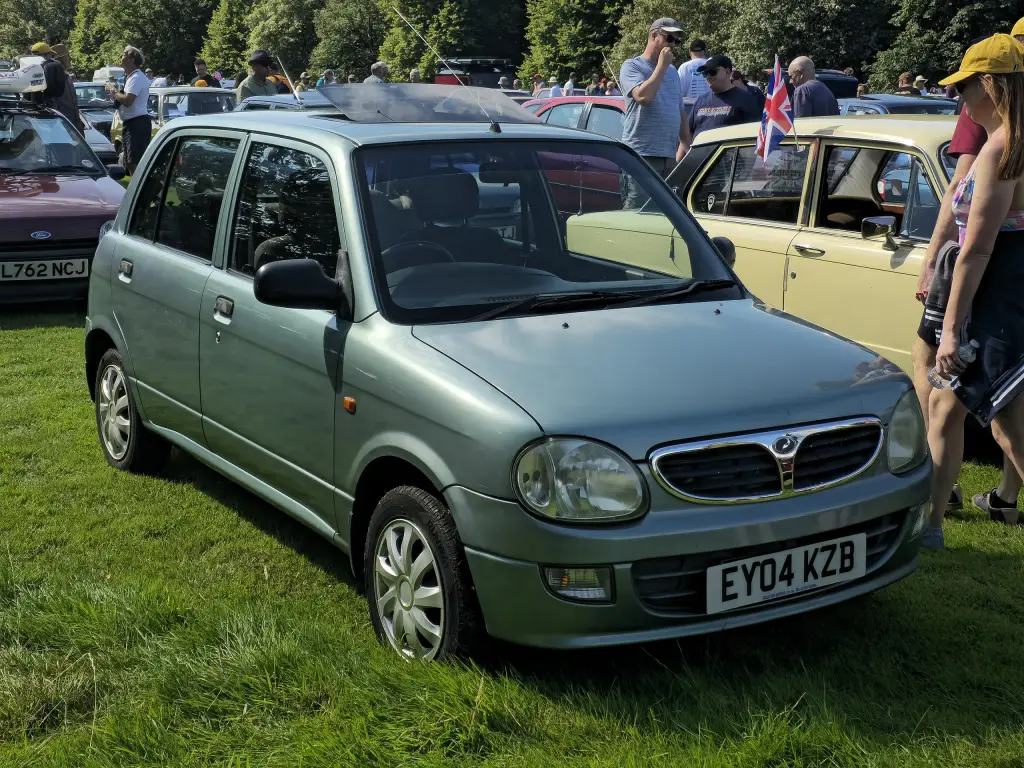
The Perodua Kelisa was launched in 2001 as the successor to the Perodua Kancil, and for a time the two were sold side by side. It was based on the fifth-generation Daihatsu Mira and named after the arowana fish; both the Kelisa and the Kancil were replaced by the Viva in 2007.
Perodua Kelisa at a glance
| Maker | Perodua, Malaysia |
|---|---|
| Production | 2001–2007 |
| Based on | Daihatsu Mira L700, fifth generation |
| Body | five-door city hatchback |
| UK launch | 2002, replacing the Nippa |
| UK price | under £5,000 when new |
| Variants | EX, GX and EZ |
| Facelift | 21 October 2003 |
| Wheels | 13 inch before the facelift, 14 inch after |
| Named after | the kelisa, a Malaysian arowana fish |
| Replaced by | Perodua Viva, 2007 |
Based on one source (English Wikipedia).
History of the Perodua Kelisa
Perodua launched the Kelisa in 2001 as the successor to its first car, the Kancil. In all its versions the Kelisa was based on the fifth-generation Daihatsu Mira (L700) with some hints of the Nissan Micra K11, and it took its name from the kelisa, an arowana fish native to Malaysia. Perodua had sold cars in the United Kingdom since 1997, and the Kelisa arrived there in 2002 as the replacement for the Nippa, the rebadged Kancil; like its predecessor it was the cheapest new car on sale in Britain, starting at under £5,000.
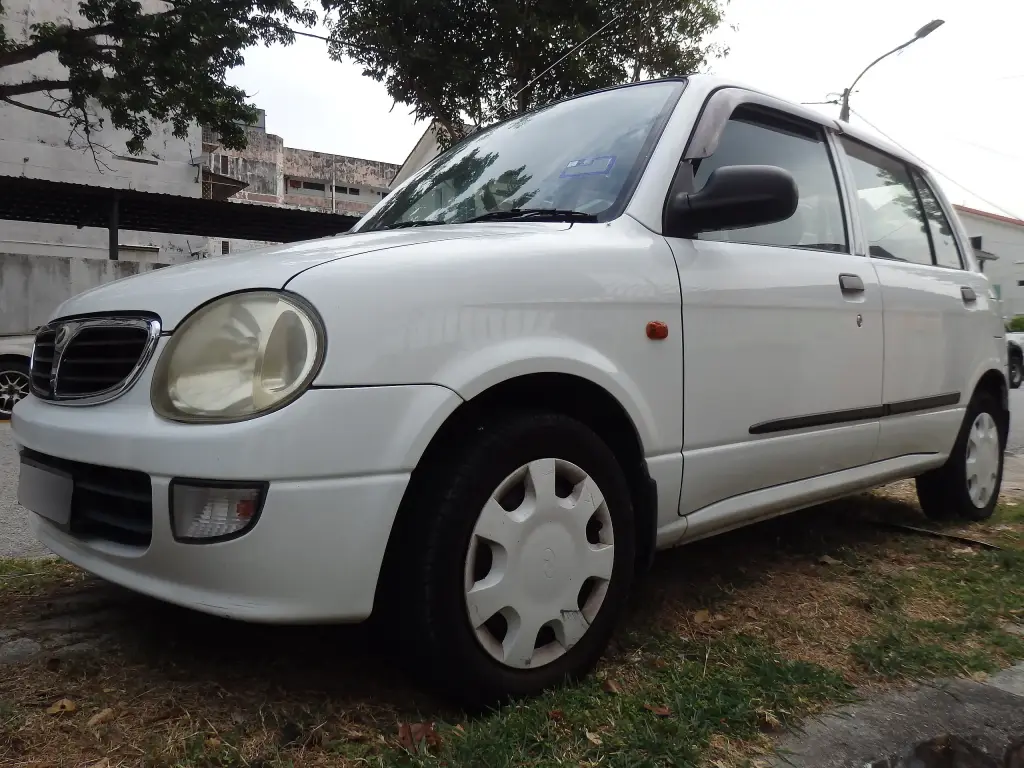
The range opened with three variants, EX, GX and EZ, and the same three names survived the facelift in 2003. The EZ added an air ionizer, electrically adjustable side mirrors and a hands-free phone kit with a holder over the GX, while the seat fabric differed between the two after the facelift. In 2002 a Limited Edition was distinguished by two-tone paintwork, leather seats and a leather-wrapped steering wheel.
The 2003 facelift
On 21 October 2003 Perodua presented the facelifted Kelisa. It had a new honeycomb front grille, a lower front bumper with amber turn signals, a new lower rear bumper with a reflector, a new side protector moulding and a rear wiper, a centre-mounted roof antenna, a new instrument panel, new sports rims for the EX and new wheel caps for the GX. The wheels grew from 13 to 14 inches, and four colours were offered: Kristal White, Sparkling Silver, Millenia Gold and Gemilang Blue. During the spring of 2004 the EX became the 850 EX and the GX and EX were renamed 1000 GX and 1000 EX, with different gear ratios and slightly changed dimensions.
Special editions
The Limited Edition returned in 2004, and between August and November that year came the Kelisa SE with manual (GXS) and automatic (EZS) versions, clear front and side turn signals, fixed head restraints, a painted centre console, a leather-wrapped steering wheel and a body kit with a rear spoiler and skirts. In 2006 the Kelisa Imago followed with manual (GXQ) and automatic (EZQ) versions, adding a silver-painted centre console, leather seats with Imago embroidery, clear signal lenses, a spoiler, chrome door handles and a Metallic Pearl Jade finish. In February 2007 some Kelisas were fitted with built-in Bluetooth.
The Kelisa drew attention on British television. In the second series of Top Gear James May drove one and was impressed, comparing it to the original Mini, while Jeremy Clarkson bought a Kelisa EX for his 2005 DVD Heaven and Hell and blew it up straight away. In April 2007 Clarkson called it the worst car in the world, a remark that drew criticism from the Malaysian government. The car won the compact car class of the ASEAN Auto Car Awards 2003/2004, the NST-MasterCard Compact Car of the Year 2003 and the NST Car of the Year 2002, and in 2023 a Kelisa was used by the YouTube channel Mighty Car Mods for a 24-hour kei-car race at Sepang.
Design and features
- Mira L700 basis: the fifth-generation Daihatsu Mira underneath a Perodua body.
- Cheapest car in Britain: priced under £5,000 when it arrived there in 2002.
- Three trim levels: EX, GX and EZ, with the EZ the best equipped.
- 2003 facelift: new grille and bumpers, 14-inch wheels and a revised interior.
- Collector editions: the Limited Edition, SE and Imago added leather and body kits.
Perodua Kelisa versions
- EX, GX and EZ (2001): the original range, with the EZ adding an air ionizer, electric mirrors and a phone kit.
- Limited Edition (2002 and 2004): two-tone paint, leather seats and a leather steering wheel.
- 850 EX and 1000 GX/EX (2004): renamed models with different gear ratios.
- Kelisa SE (2004): clear lenses, body kit and a leather steering wheel, as GXS or EZS.
- Kelisa Imago (2006): leather seats with embroidery and a Metallic Pearl Jade finish.
The Kelisa succeeded the Perodua Kancil and was replaced by the Perodua Viva in 2007. More cars from the maker are in the Perodua collection.
Video: The Perodua Kelisa Review with Richard Hammond (2002)
Video on YouTube.
Sources
- Perodua Kelisa, English Wikipedia: history, variants, facelift, UK sales, media