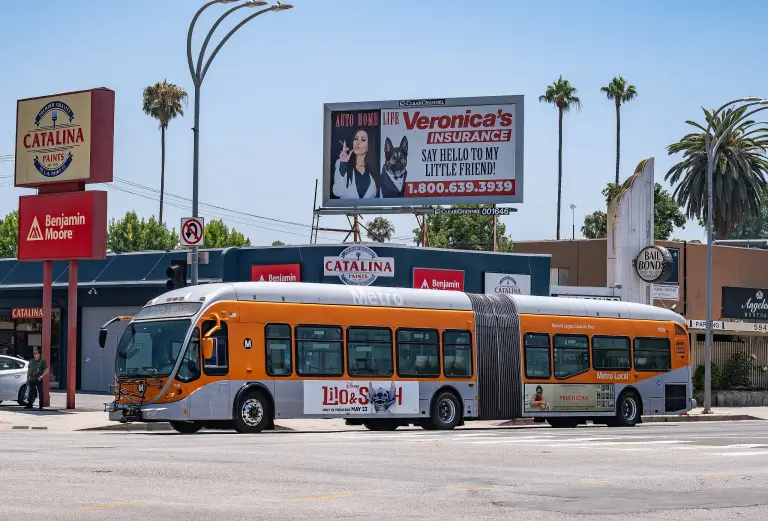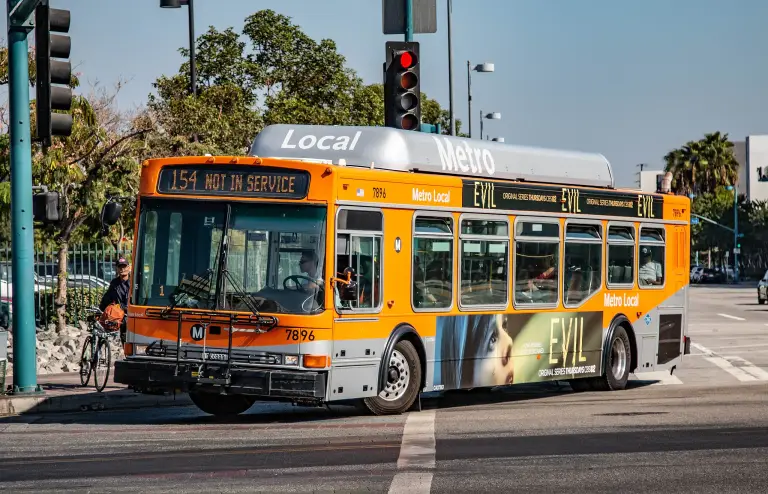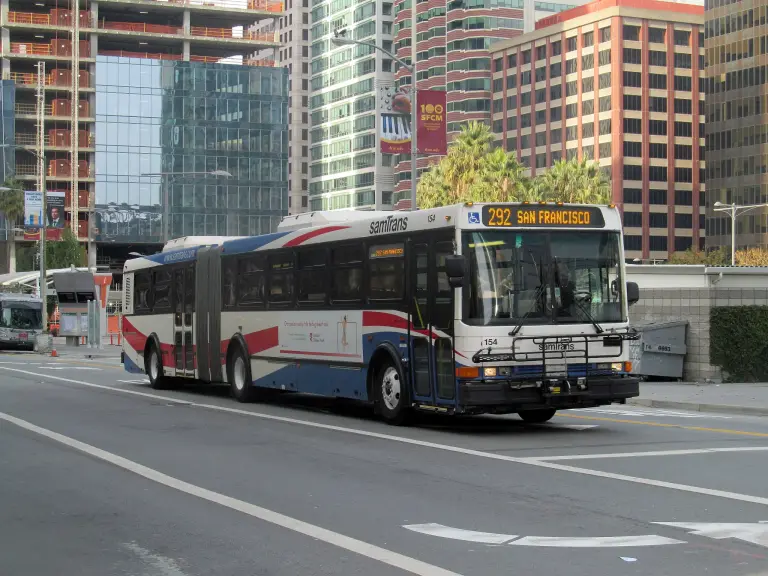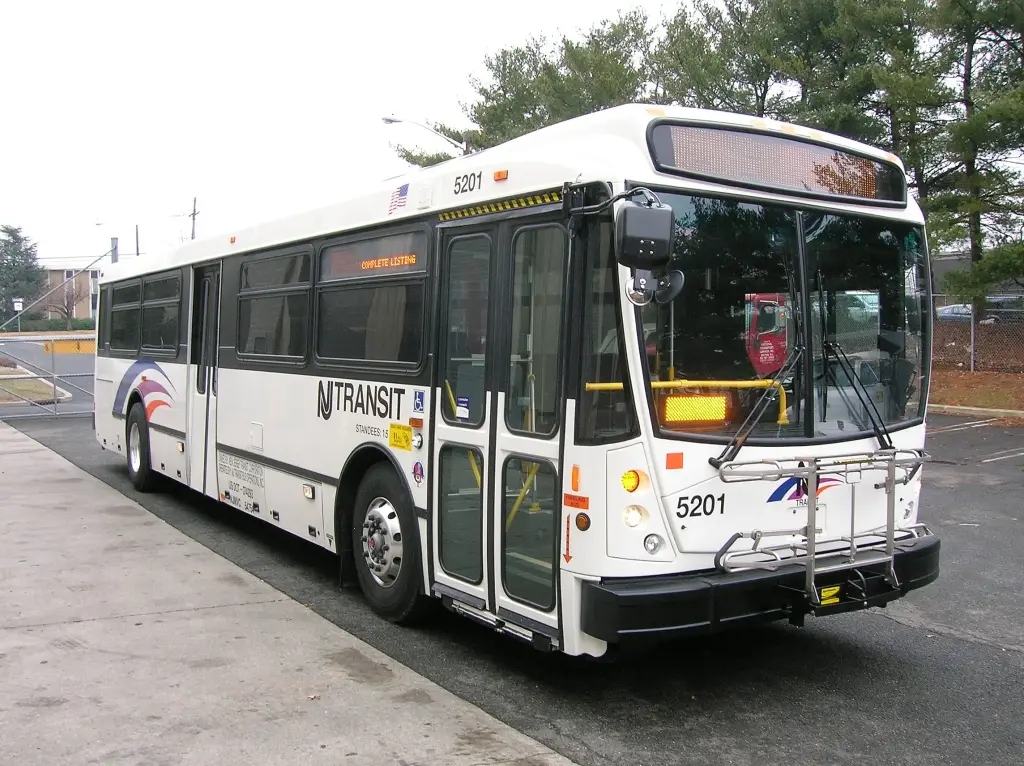
The NABI 416 is the 40-foot rigid high-floor transit bus of the company’s SFW series. Introduced in 1989 as the Ikarus USA 416, it was derived from the Hungarian Ikarus 415 and stayed in production, with a restyle and a new name, until 2013.
NABI 416 at a glance
| Maker | American Ikarus, then North American Bus Industries |
|---|---|
| Production | 1989–2013 |
| Class | high-floor transit bus |
| Length | 40 ft nominal |
| Derived from | Ikarus 415 |
| Also called | 40-SFW |
| Engines | diesel and CNG; diesel-electric hybrid |
| First order | Jacksonville Transportation Authority, 1989 |
| Restyle | Gen II unveiled in 2008, delivered to NJ Transit |
| Orders | 16 numbered orders, 416.00 to 416.15, one cancelled |
| Body shells | assembled in Hungary until late 2012 |
Based on one source: the English Wikipedia article on the SFW series, which covers both the 416 and the 436.
History of the NABI 416
The story starts with the Crown-Ikarus and Orion-Ikarus articulated buses of the 1980s. After its partnership with Crown Coach ended in 1986, Ikarus entered a joint venture with the Union City Body Company of Union City, Indiana, to sell American versions of the rigid Ikarus 415. Final assembly took place at the Union City Body plant in Anniston, Alabama, starting in 1989, and the bus was sold as the Ikarus USA 416.
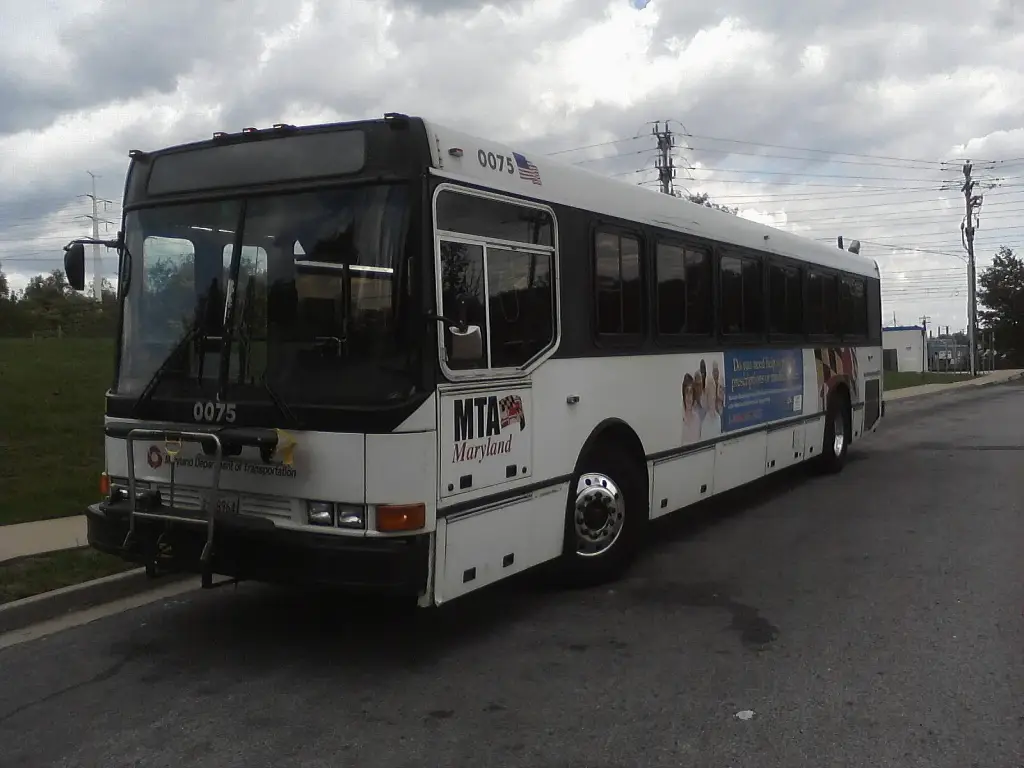
The first 416 order went to the Jacksonville Transportation Authority in 1989. In 1991 Ikarus built a prototype 416 powered by liquefied natural gas, claimed to be the first LNG-powered bus produced in the United States; it was built at the request of Metro in Houston. Union City Body went bankrupt in 1992, and production resumed at Anniston under American Ikarus, which was renamed North American Bus Industries in 1997.
In 1998 NABI announced that the SFW line could be ordered with a stainless steel frame. A ‘Gen II’ restyle of the 416 appeared in 2008, adding small quarter windows at the front between the windscreen and the door or driver’s window, in the manner of the LFW Gen II of the same year; only NJ Transit ordered the restyled bus. Body shells continued to come from Hungary until late 2012, when production moved to Anniston. The 416 was discontinued in 2013, when NABI was sold to New Flyer Industries.
The number follows the Hungarian model it was based on: 416 for the 40-foot bus derived from the Ikarus 415, and 436 for the 60-foot articulated bus derived from the Ikarus 435. NABI also used a length-based scheme, in which these two became 40-SFW and 60-SFW. On the vehicle identification plate the model read 416.nn, with nn the sequential order number; there were sixteen 416 orders, one of them cancelled.
Design and features
- Ikarus lineage: a Hungarian 415 design adapted for the American market.
- High floor: the SFW series was the traditional high-floor counterpart to NABI’s later low-floor buses.
- Buy America assembly: shells from Hungary, finishing in Anniston, Alabama.
- Alternative fuels: diesel and CNG, with hybrid powertrains offered later in the run.
- Order numbering: every batch carries its own 416.nn number on the identification plate.
NABI 416 versions
- Ikarus USA 416 (1989–1992): the original bus assembled by Union City Body.
- American Ikarus / NABI 416 (1992–2008): production under the new owners.
- NABI 416 Gen II (2008–2013): restyled front with quarter windows, ordered only by NJ Transit.
- 40-SFW: the alternative length-based designation for the same bus.
The 416 was joined in the range by the articulated NABI 436, and its low-floor successor was the NABI 40-LFW. More buses are in the NABI collection.
Video: MTA Maryland NABI 416 ride on route 33
Video on YouTube.
Sources
- NABI SFW, English Wikipedia: history, numbering, restyle, production