The NABI 40-LFW is the 40-foot rigid member of the low-floor LFW series that North American Bus Industries produced from 1997 until 2015. It was the most popular model of the line, ordered more than fifty times by American transit agencies, and it was the last NABI bus ever built, completed for Dallas in 2015.
NABI 40-LFW at a glance
| Maker | North American Bus Industries (NABI), Anniston, Alabama |
|---|---|
| Production | 1997–2015 |
| Class | low-floor transit bus |
| Lengths | 31, 35, 40 ft rigid; 60 ft articulated |
| Layout | rigid, rear engine, low floor |
| Engines | diesel, LNG, CNG; diesel-electric hybrid from 2008 |
| Body shells | assembled in Hungary until late 2012 |
| Restyles | Gen II 2008, Gen III 2011 |
| First order | Valley Metro, Phoenix, 1997 |
| Last order | DART, Dallas, 2015 |
| Total built | about 4,500 LFW buses, most of them 40-LFW |
Based on one source: the English Wikipedia article on the LFW series.
History of the NABI 40-LFW
NABI introduced the LFW line in 1997 to sit alongside its high-floor SFW buses. At launch two nominal lengths were announced, 35 and 40 feet, and the 40-LFW quickly became the fixed-route favourite. The first order came in 1997 from Valley Metro, the transit agency for Phoenix and Tempe, Arizona. A 60-foot articulated variant, the 60-LFW, followed in 2001, and a 31-foot 31-LFW arrived with the 2008 restyle.
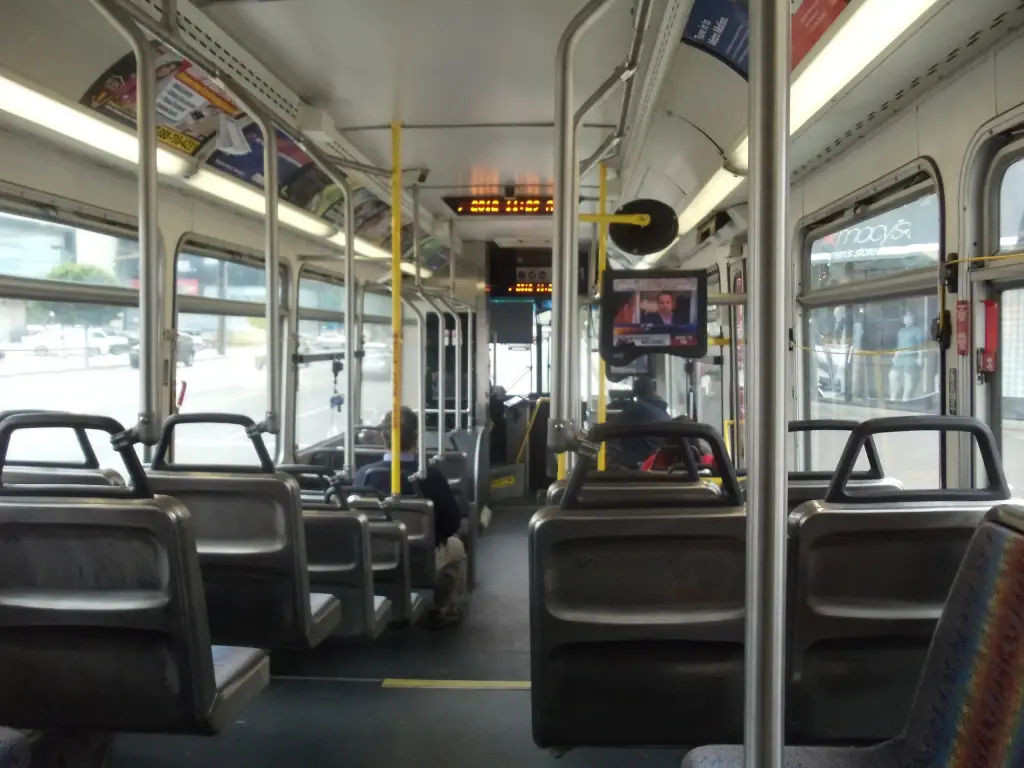
Although the LFW looked superficially like the preceding NABI 416 high-floor bus designed by Ikarus in Hungary, the LFW was designed in America. Body shells were still assembled in Hungary and shipped to Alabama for finishing; from 2011 body production moved to Anniston, and the transition was complete in late 2012. From 1998 a stainless steel frame was offered as an option.
Two restyles shaped the model’s later life. The 2008 ‘Gen II’ added small quarter windows between the windscreen and the driver’s window to echo the NABI BRT, but they could not be cleared in bad weather and disappeared in the 2011 ‘Gen III’ cars, which also grew the front overhang from 86–95 inches to 95–99 inches. The 2008 restyle brought a hybrid variant as well, with Citizens Area Transit of Las Vegas as lead customer.
New Flyer bought NABI in 2013, and NABI-designed buses continued to be built until the existing backlog was filled in 2015. The very last NABI buses were 40-LFWs completed for DART in Dallas; afterwards the Anniston factory was retooled for New Flyer Xcelsior buses. About 4,500 LFW buses were produced between 1998 and 2013, the great majority of them 40-LFWs.
Design and features
- Low floor: the whole point of the series, giving step-free boarding over the front part of the bus.
- Nominal-length numbering: the model number states the length in feet — a 40-LFW is a 40-foot rigid low-floor bus.
- Fuel choice: diesel, LNG and CNG engines, plus a diesel-electric hybrid from 2008.
- Hungarian shells, American finish: bodies came from Hungary and were completed in Anniston to meet Buy America rules.
- Long service life: thousands of 40-LFWs remained in service with American agencies long after production ended.
NABI 40-LFW versions
- 40-LFW Gen I (1997–2008): the original body with the shortest front overhang.
- 40-LFW Gen II (2008–2011): quarter windows at the front, hybrid option added.
- 40-LFW Gen III (2011–2015): quarter windows removed, longer front overhang.
- 35-LFW and 31-LFW: shorter rigid versions for smaller routes.
- 60-LFW (2001–2015): articulated version, built mainly for Chicago.
The 40-LFW was the low-floor successor to the high-floor NABI 416 and sat below the stylised NABI BRT. More American buses are in the NABI collection.
Video: Bus ride on Miami-Dade Transit’s 2005 NABI 40-LFW
Video on YouTube.
Sources
- NABI LFW, English Wikipedia: design, restyles, deployment, production totals