The Chevrolet Camaro is the company’s pony car, first shown in September 1966 for the 1967 model year and designed from the start to take sales from the Ford Mustang. Six generations later it is still the model Chevrolet uses to define its performance image.
Chevrolet Camaro at a glance
| On sale | 29 September 1966, for 1967 |
|---|---|
| Class | Pony car, 2+2 coupé and convertible |
| Platform | GM F-body, shared with the Pontiac Firebird |
| First-generation engines | 230 cu in six; 250, 302, 307, 327, 350 and 396 cu in V8s |
| First-generation versions | Super Sport, Rally Sport, Z/28 |
| Generations | four before 2002, then fifth from 2009, sixth to 2024 |
| Production gap | 2002–2009 |
| Sixth generation ended | December 2023, for the 2024 model year |
History of the Chevrolet Camaro
Rumours that Chevrolet was preparing a Mustang rival, codenamed Panther, appeared in the press in April 1965. On 28 June 1966 General Motors held a press conference in Detroit in which Chevrolet general manager Pete Estes welcomed journalists as charter members of the Society for the Elimination of Panthers from the Automotive World, and unveiled project XP-836. The name Camaro was chosen to fit the other C-names in the range, Corvair, Chevelle, Chevy II and Corvette; when journalists asked what a Camaro was, product managers replied that it was ‘a small, vicious animal that eats Mustangs’. The car was shown to the press in September 1966 and went on sale on 29 September.
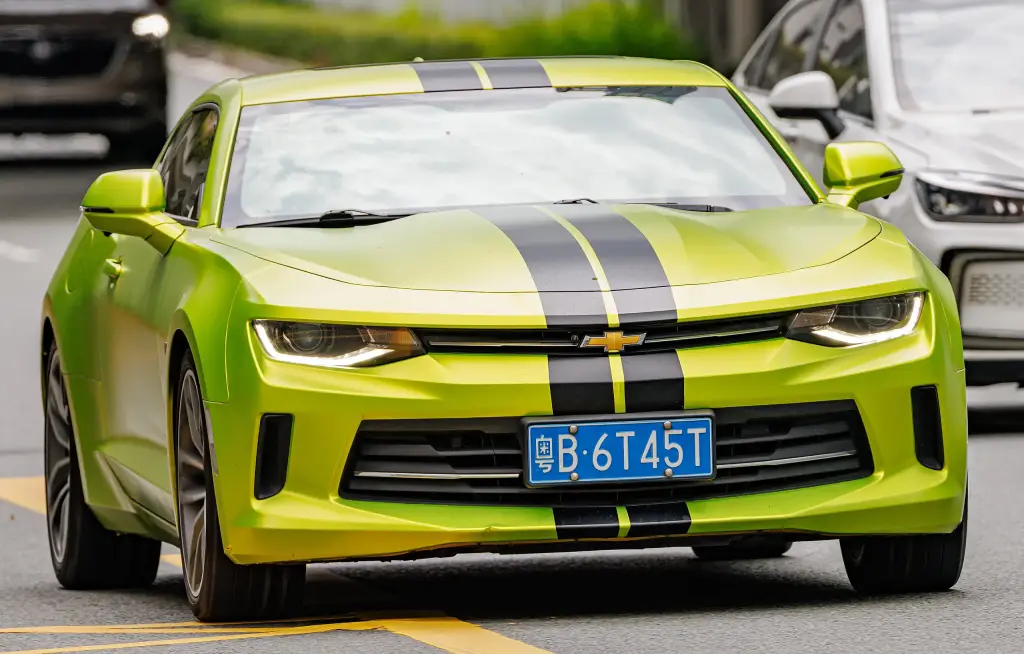
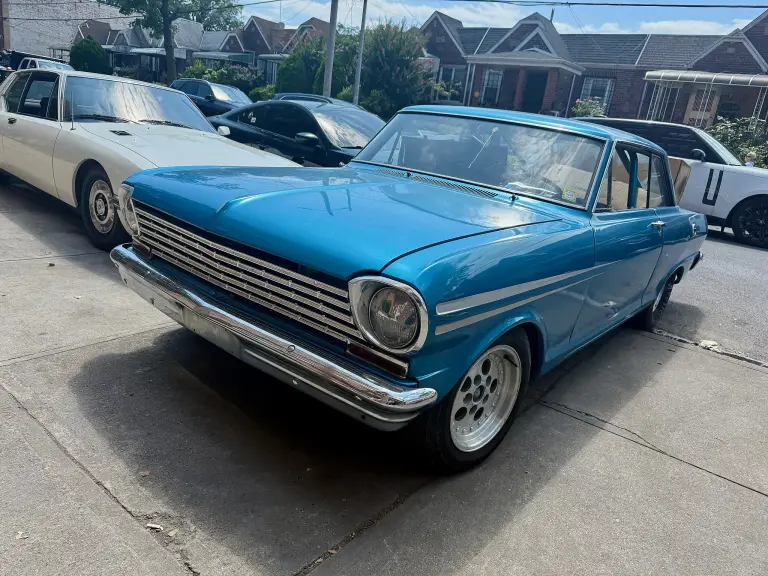
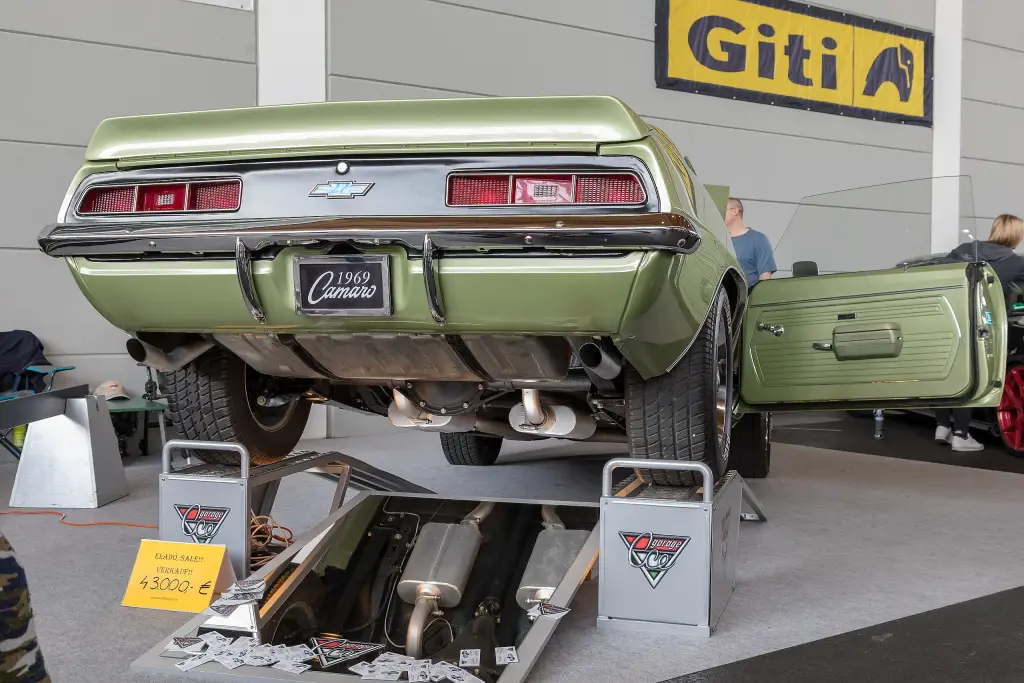
The first generation was built for 1967–1969 on the new rear-wheel-drive F-body platform shared with the Pontiac Firebird, as a two-door 2+2 coupé and convertible. The base engine was a 230 cu in six, with 250, 302, 307, 327, 350 and 396 cu in V8s available. Chevrolet had realised that the rear-engined Corvair Monza could not match the Mustang’s volume, partly because of the publicity from Ralph Nader’s Unsafe at Any Speed, and the Camaro copied the Mustang’s conventional front-engine, rear-drive layout and its ability to borrow parts from an existing compact, in this case the Chevy Nova. Super Sport, Rally Sport and Z/28 versions were offered, the last with a 302 cu in V8 developed for Trans-Am racing.
The second generation arrived on 26 February 1970, larger and wider, and ran to 1981 with restyles in 1974 and 1978. It kept the F-body layout of a front subframe, A-arm front suspension and a solid rear axle on leaf springs, and the 1980 and 1981 Z28 had an air-induction bonnet scoop whose door opened at full throttle. Four generations were built before production stopped in 2002. The name returned on a concept car that became the fifth generation in 2009, and the sixth generation ended production in December 2023 for the 2024 model year.
Design and features
- Mustang rival: the Camaro was designed around the same recipe as the Ford, down to sharing parts with a compact Chevrolet.
- Z/28: the Trans-Am homologation model with a high-revving 302 cu in V8.
- F-body: the platform shared with the Pontiac Firebird for four generations.
- Revival: the fifth-generation car of 2009 took its styling cues from the 1969 original.
Chevrolet Camaro versions
- First generation (1967–1969): the original pony car in coupé and convertible form.
- Second generation (1970–1981): larger body, restyled in 1974 and 1978.
- Z/28 and SS: the performance versions offered from the first year.
- Fifth and sixth generations (2009–2024): the modern retro-styled cars.
The Camaro was the stablemate of the Chevrolet Corvette and shared its market with the Chevrolet Chevelle in the muscle-car years. More cars are in the Chevrolet collection.
Sources
- Chevrolet Camaro, English Wikipedia: launch, generations, engines, versions