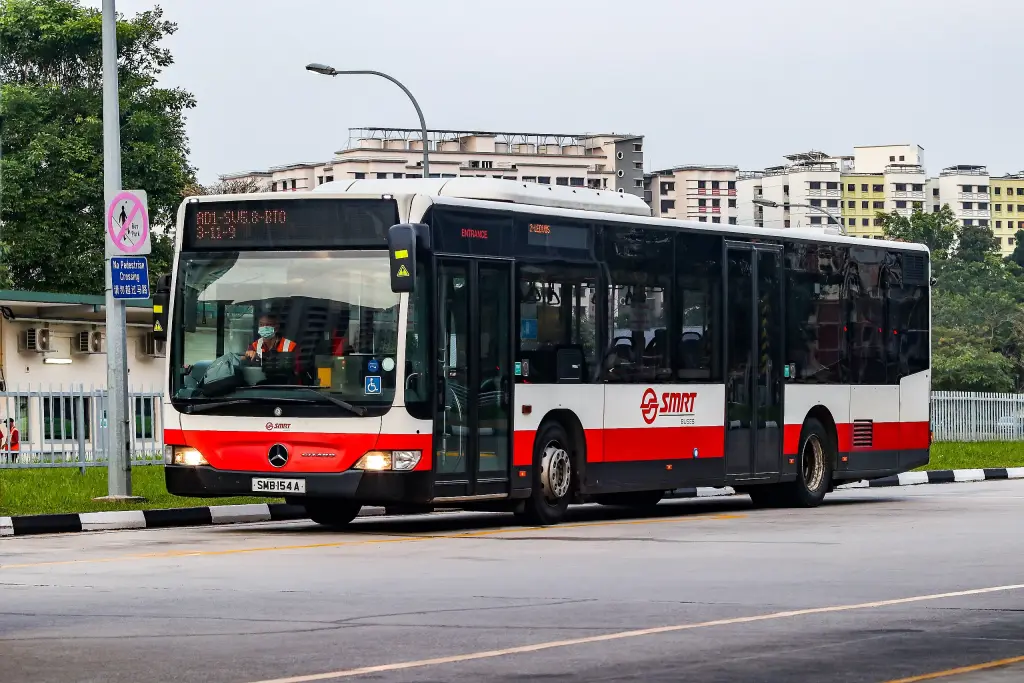
The Mercedes-Benz Citaro is a low-floor single-decker city bus, rigid or articulated, made by Mercedes-Benz and EvoBus. Introduced in 1997, it is used throughout Europe and parts of Asia, and more than 55,000 had been produced by December 2019.
Mercedes-Benz Citaro at a glance
| Introduced | 1997 |
|---|---|
| Replaced | Mercedes-Benz O405N |
| Builder | Mercedes-Benz and EvoBus |
| Built | more than 55,000 by December 2019 |
| Basic versions | 12 m Citaro, 10 m Citaro K, 18 m Citaro G |
| Facelift | 2005, with Euro IV, Euro V and EEV engines |
| Second facelift | 2006, revised front and rear |
| Second generation | C2, launched May 2011 |
| Euro 6 | available in the C2 from 2012 |
| Electric version | eCitaro |
| Long versions | CapaCity at 19.5 m and CapaCity L at 21.0 m |
This article is based on one source, the English Wikipedia article on the Mercedes-Benz Citaro.
History of the Mercedes-Benz Citaro
The first Citaro was launched in 1997 as the successor to the O405N. In 2005 it was updated for the new Euro IV engines, later Euro V and EEV, with technical changes and a facelift that made the body less angular; production of the old model ended by autumn 2006. A more substantial facelift came in 2006, with a revised front and rear, the end of the characteristic washboard trim on the nose and reversed turn signals.
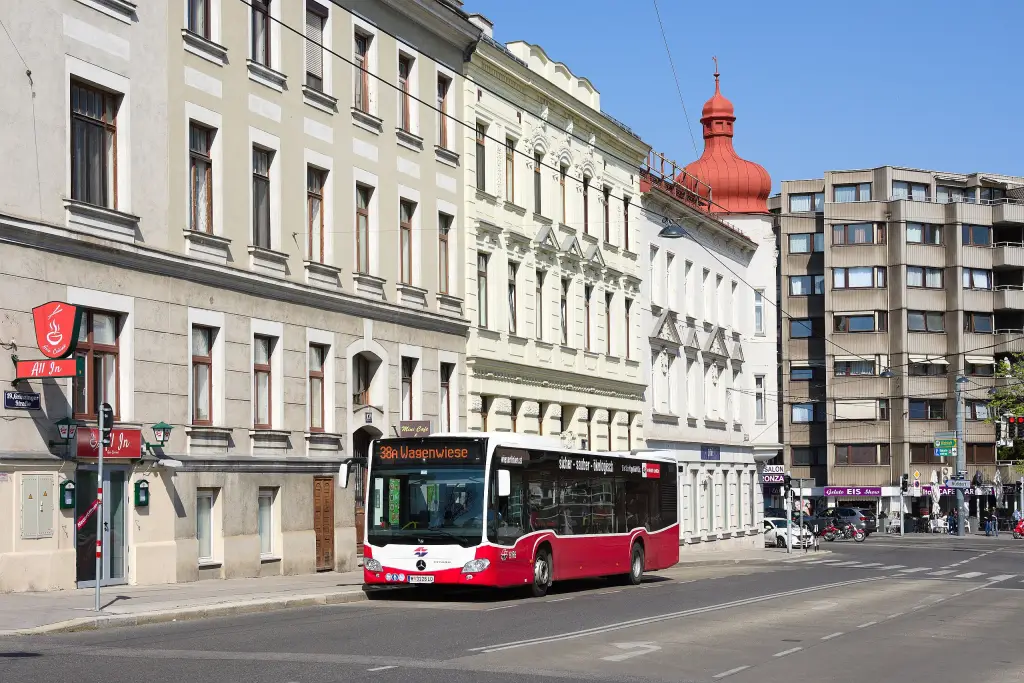
In May 2011 the second generation, known internally as C2, was launched. From 2012 it could be ordered with Euro 6 engines, and the Citaro LE versions of the C2 were the last to be presented, at Busworld Kortrijk in October 2013. By 2019 there were three basic lengths: the 12 m Citaro, the 10 m Citaro K and the 18 m articulated Citaro G, all also available as hybrids, plus a battery-electric eCitaro in solo and articulated form.
The range uses the O530 model code. The 12 m O530 comes with two or three doors and a horizontal or vertical engine; the 18 m O530 G is articulated with three axles and three or four doors; the 10.5 m O530 K is a midibus. Suburban and interurban versions, such as the O530 Ü and the articulated O530 GÜ, have a single front door and all seats on platforms. Discontinued versions include the 15 m O530 L, the fuel-cell O530 FuelCell Hybrid and the articulated O530 G BlueTec Hybrid. Operators can choose between two front designs, one with a roof-dome destination display and one with a one-piece windscreen, and specify door numbers, seating and interior layout.
Design and features
- Low floor: easy access for city passengers.
- Three lengths: 10 m, 12 m and 18 m, plus the long CapaCity models.
- Many drives: diesel, natural gas, diesel-electric hybrid, fuel cell and battery-electric.
- Operator choice: doors, seats and two different front designs.
Mercedes-Benz Citaro versions
- O530: the standard 12 m solo bus.
- O530 G: the 18 m articulated bus.
- O530 K: a 10.5 m midibus.
- O530 Ü and GÜ: suburban and interurban versions.
- eCitaro: battery-electric solo and articulated buses.
- CapaCity: the 19.5 m and 21.0 m versions, coded O530 GL.
The Citaro replaced the O 405 and its long versions are covered under the CapaCity; smaller relatives are the Cito and Conecto. More in the Mercedes-Benz collection.
Video: Der Mercedes-Benz Citaro
Video by YouTube on YouTube.
Sources
- Mercedes-Benz Citaro, English Wikipedia: history, versions, model codes, production