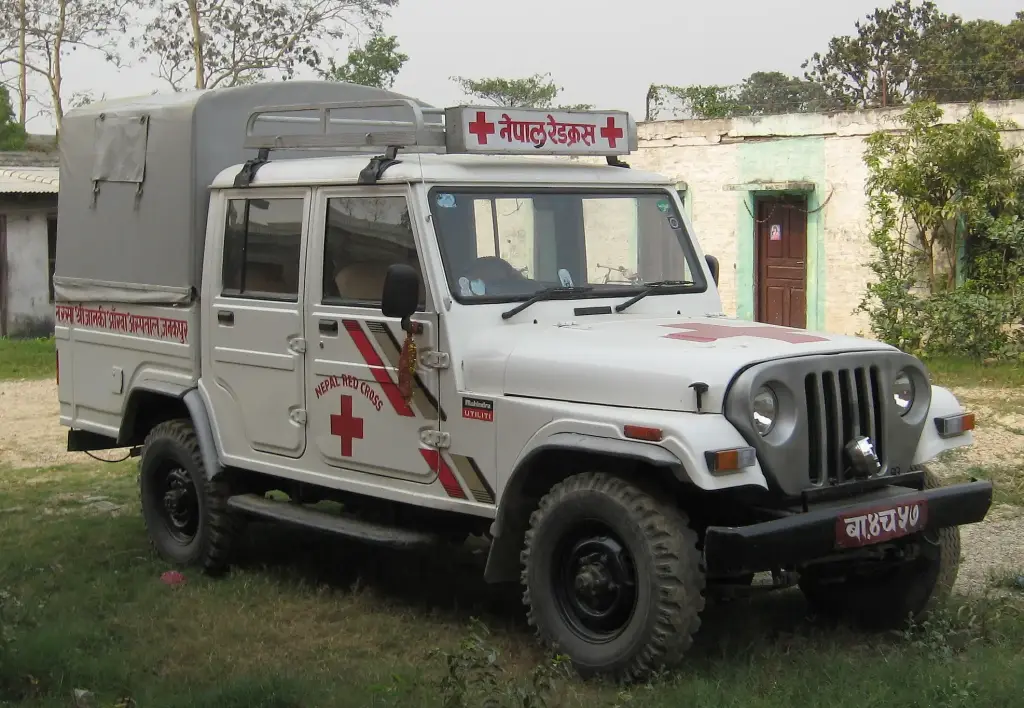
The Mahindra Armada was the company’s first attempt at a comfortable, road-oriented vehicle. Sold in India from 1993 to 2001, it was a Jeep at heart but with smaller wheels, a lower stance and a Peugeot diesel under the bonnet.
Mahindra Armada at a glance
| Maker | Mahindra & Mahindra, India |
|---|---|
| Production | 1993–2001 |
| Basis | Jeep CJ-5 lineage, through the MM540 and MM775 |
| Engine, early | Peugeot XDP 4.90, 2.1 litres, 62 PS (46 kW) |
| Engine, later | Peugeot XD3P, 2.5 litres |
| Top speed | 100 km/h with the 2.5-litre diesel |
| Drive | Rear- or four-wheel drive |
| Brakes | Disc brakes on later models |
| Seats | Eight, with fold-down front and rear seats |
| Comfort | Air conditioning, moulded plastic dashboard |
| Armada Grand | Shown 1996, on sale 1998 |
| Replaced by | Mahindra Maxx, 2001 |
History of the Mahindra Armada
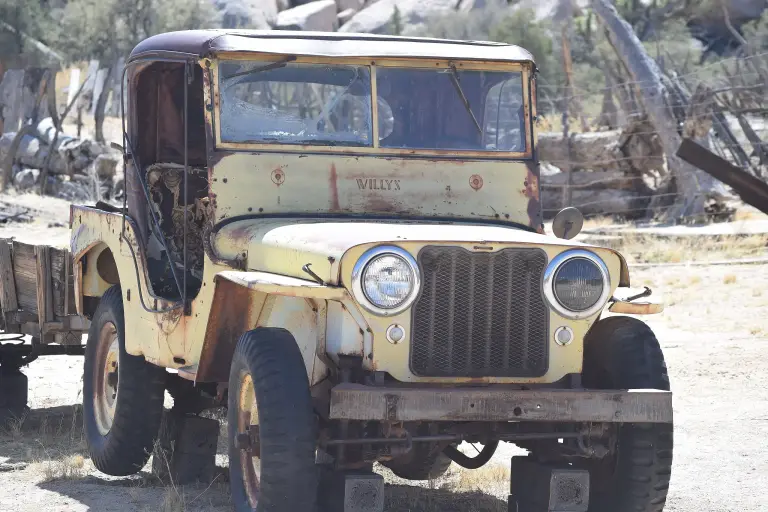
The Armada’s story begins with the Jeep. Willys made the CJ-5 in the mid-1950s, and from it Mahindra developed the MM540. Mahindra then built steel-bodied estates on a long wheelbase with three or five doors, the MM775 of 1992 and the Marshal series; a long-wheelbase five-door “Metal Wagonette” of the MM540 had been available in small numbers since 1987, but those were hand-built bodies of low quality and high cost.
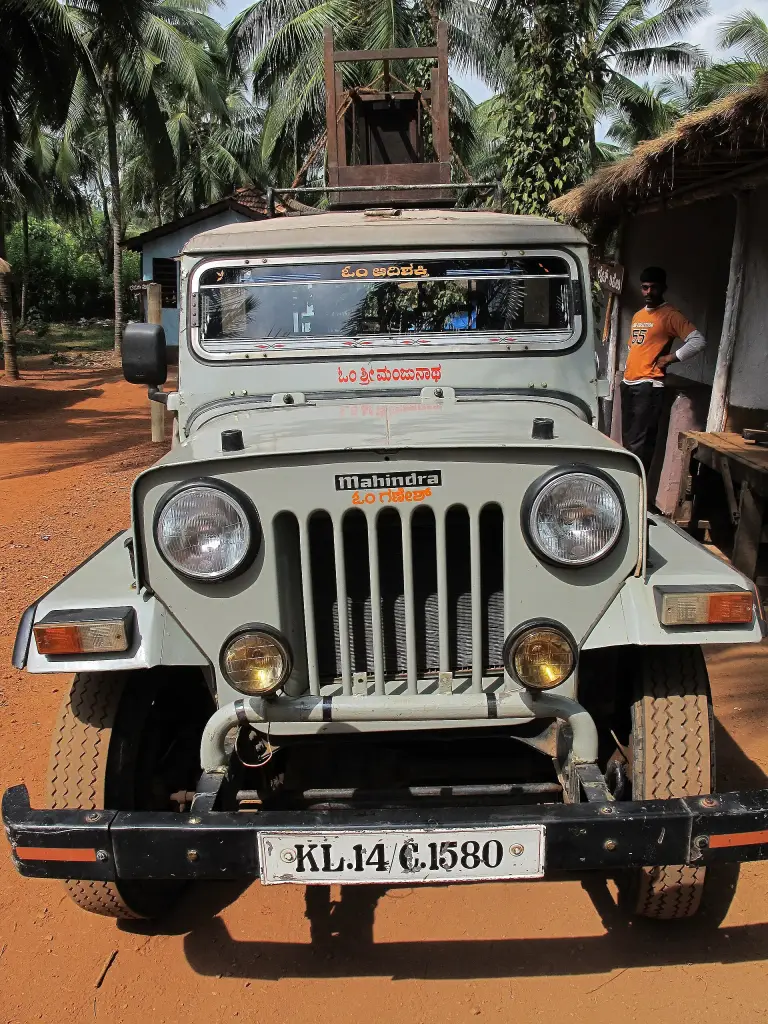
The Armada of 1993 was the upscale version of those cars and the flagship of the range, aimed at town buyers rather than Mahindra’s usual rural customers. It had smaller wheels and lower-profile tyres than other Mahindra jeeps, which lowered the centre of gravity and made it more suited to road use. The original engine was Peugeot’s 2.1-litre XDP 4.90 diesel with 62 PS, and a later 2.5-litre Peugeot XD3P gave a top speed of 100 km/h. Four-wheel drive was optional.
Visually the Armada stood apart with a flatter, Bolero-style roofline, rectangular headlamps, body graphics and plastic or fibreglass additions around the grille, wheel arches and bumpers. Inside there was air conditioning, a moulded plastic dashboard and seating for eight. The Armada is often described as the first Indian attempt at what later became known as the MUV or SUV.
A more luxurious Armada Grand was shown in 1996 and went on sale in 1998 with power windows and steering, a revised interior and an electro-mechanical four-wheel-drive selector. The Grand LX shown at the Delhi motor show in 2000 had new front-end bodywork, independent front suspension on two-wheel-drive models and a five-speed gearbox; when it went on sale in August 2000 it was renamed the Mahindra Bolero. Both the Armada and the Grand were replaced by the Maxx in 2001.
Design and features
- Lower stance: smaller wheels and lower-profile tyres than other Mahindra jeeps for better road manners.
- Peugeot diesel power: 2.1-litre XDP 4.90, later the 2.5-litre XD3P.
- Upmarket trim: air conditioning, moulded dashboard, rectangular headlamps and body graphics.
- Eight seats: with fold-down front and rear seats.
Mahindra Armada versions
- Armada (1993–2001): the standard model, two- or four-wheel drive.
- Armada Grand (1998–2001): power windows and steering, plastic grille, electro-mechanical 4×4 selector.
- Armada Grand LX (2000): new front bodywork, five-speed gearbox and independent front suspension on 2WD cars; renamed Bolero.
The Armada grew out of the Mahindra CJ line, and its Grand version became the Bolero. It was replaced in 2001 by the Maxx. More in the Mahindra collection.
Sources
- Mahindra Armada, English Wikipedia: origins, engines, design, Grand