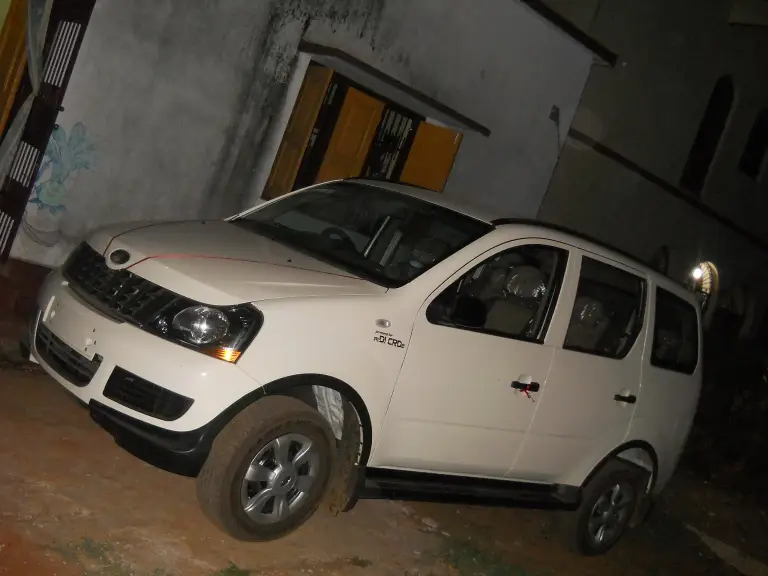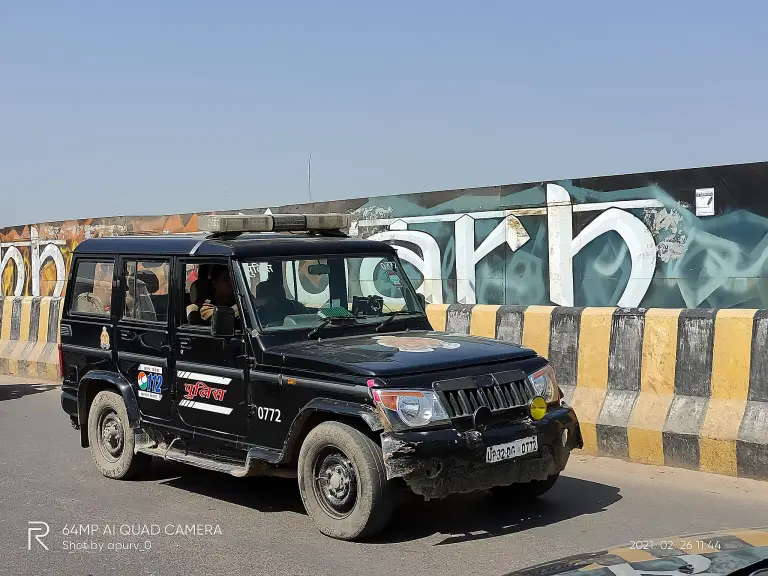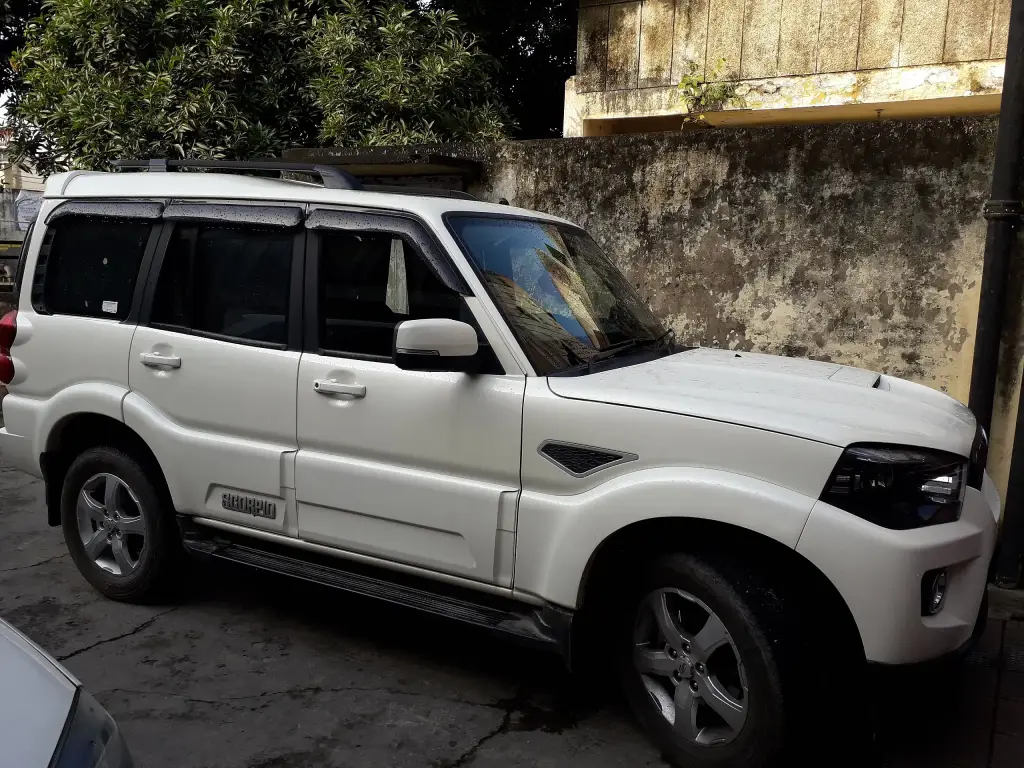
The Mahindra Scorpio, launched in India on 20 June 2002, was the company’s first vehicle designed for the global market. It was created by an in-house team working with suppliers who designed most of its systems, and it has been through several facelifts since.
Mahindra Scorpio at a glance
| Maker | Mahindra & Mahindra, India |
|---|---|
| Launched | 20 June 2002 |
| Class | Mid-size SUV in India, compact SUV elsewhere |
| First engine | NEF 2,609 cc turbo-diesel, 109 hp at 3,800 rpm |
| Common-rail version | 115 hp, developed with AVL of Austria |
| Petrol option | Renault F4R 2.0-litre, 116 hp |
| European name | Mahindra Goa, from 2003, first sold in Italy |
| 2.5-litre export units | 105 hp TCI and 112 hp CRDe, from 2004 |
| Pick-up | Scorpio Getaway, from June 2007 |
| Scorpio Classic | W110, from 19 August 2022 |
| Second generation | Z101, 2022 |
| Global NCAP | 0 stars for adult occupants in 2016 |
History of the Mahindra Scorpio
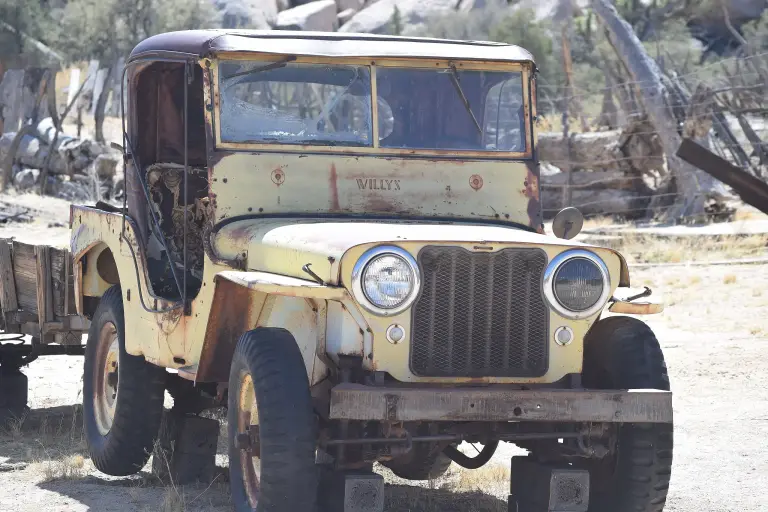
Before the mid-1990s Mahindra & Mahindra was essentially an assembly company, building Willys Jeeps and their lightly modified descendants. In 1996 it decided to enter the SUV segment with a product that could compete internationally, and because it lacked the in-house know-how it hired executives with experience in Western car firms, among them Pawan Goenka and Alan Durante.
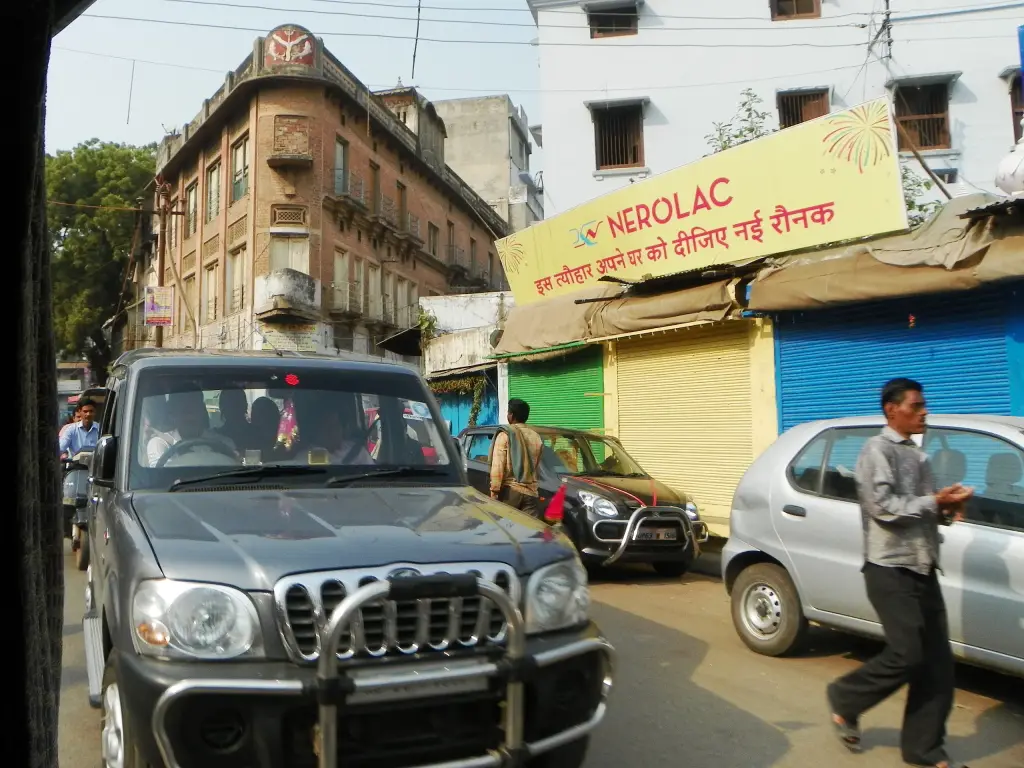
The Scorpio was designed in an unusual way for India: the major systems were designed by suppliers, with Mahindra providing the design, the performance targets and the cost programme. The project took five years and was estimated in 2002 at Rs 550 crore, having cost about Rs 600 crore including plant improvements.
The first-generation car of 2002 used Mahindra’s new square NEF diesel of 2,609 cc with 109 hp; to meet the Bharat 3 rules from 2005 Mahindra had AVL of Austria convert it to common-rail injection, raising output to 115 hp. A Renault 2.0-litre F4R petrol engine of 116 hp was also offered, but few buyers chose it. From 2003 the Scorpio was sold in Europe as the Mahindra Goa, starting in Italy, and from 2004 a short-stroke 2,498 cc version kept it below the 2.5-litre tax threshold in several European markets.
A first facelift came in April 2006, a Scorpio Getaway pick-up followed in June 2007, and a six-speed automatic was added in September 2008. The second facelift of 2009 to 2014 was largely cosmetic, the W105 generation arrived in September 2014 with new front and rear styling and a new dashboard, and on 19 August 2022 the older car continued as the Scorpio Classic in S and S11 form. A separate second generation, the Z101, was introduced in 2022. In Global NCAP testing in 2016 the Indian Scorpio without airbags or ABS scored no stars for adult occupants.
Design and features
- Supplier-led engineering: most systems designed and validated by suppliers, a first for an Indian maker.
- In-house NEF diesel: 2.6 litres, later converted to common-rail with AVL and enlarged to 2.5 litres for export.
- Export life: sold in Europe as the Goa from 2003 and in Australia as the Pik-Up.
- Long model run: facelifted repeatedly and still sold as the Scorpio Classic from 2022.
Mahindra Scorpio versions
- Scorpio (2002–2006): the original, with NEF 2.6 diesel or Renault 2.0 petrol.
- Goa: the European export version from 2003, with the 2.5-litre NEF.
- Scorpio Getaway: a pick-up derivative from June 2007, sold in Australia as the Pik-Up.
- W105 (2014–2022): third facelift with redesigned front and rear and a new dashboard.
- Scorpio Classic (2022–): the earlier car kept on sale in S and S11 form.
- Z101 (2022–): the second-generation Scorpio.
The Scorpio’s chassis later underpinned the Bolero Neo and the Xylo was built on a modified version of its ladder frame. More in the Mahindra collection.
Sources
- Mahindra Scorpio, English Wikipedia: development, engines, facelifts, export names, safety