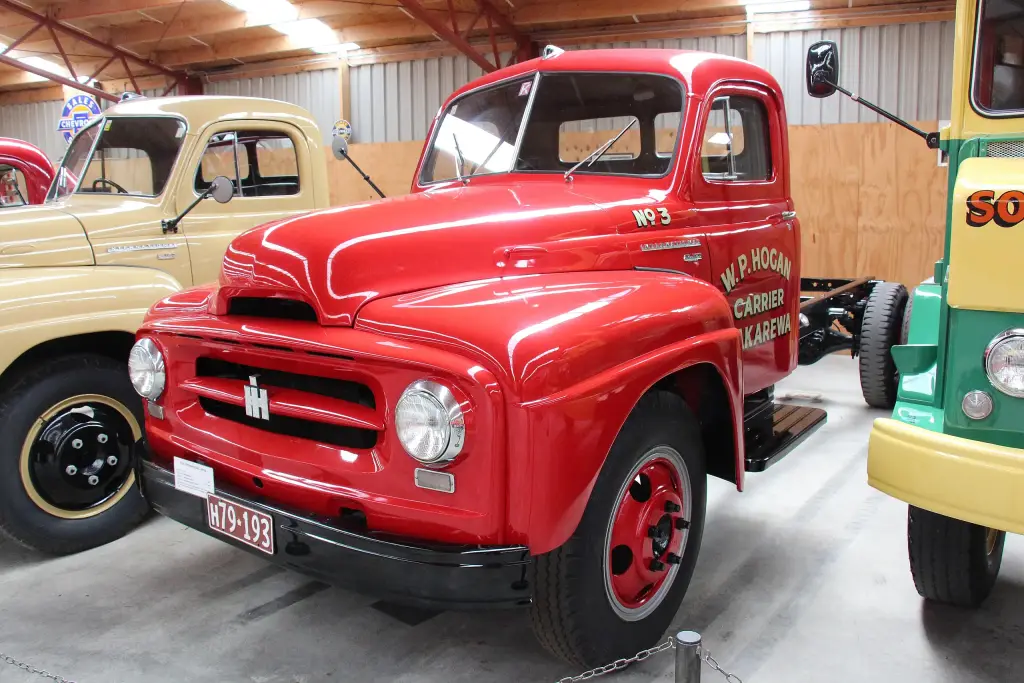
The International R series was introduced in 1953 as a development of the L series. It brought the famous IH “tractor” grille emblem to International road vehicles, along with the company’s first factory-built four-wheel drive trucks, wider use of diesel engines and the Travelall estate, and it was built from half-ton pickups to tandem-axle semitractors.
International R series at a glance
| Maker | International Harvester |
|---|---|
| Introduced | 1953, as a development of the L series |
| Range | R-100 light pickups to R-220 heavy trucks, plus COE and diesel models |
| New features | IH tractor grille emblem, factory four-wheel drive, more diesels |
| Light duty | R-110 to R-130 on 115 and 127-inch wheelbases, Silver Diamond 220 six of 100 hp |
| Medium duty | R-140 to R-180 chassis-cab trucks, also Schoolmaster bus chassis |
| Heavy duty | R-190, R-200, R-210 and R-220; D for diesel, F for tandem axles, H for heavy duty |
| Special models | R-306 fire trucks, long-nose RD-305 and RD-405 for Cummins diesels |
| 1953 output | 136,938 trucks, including 13,912 built at Chatham, Canada |
| Renamed | light and medium models became the S series in 1955 |
Based on one source (English Wikipedia).
History of the International R series
Light and medium trucks
The R series arrived in 1953 as a further development of the L series, sharing its cab but bringing the IH “tractor” grille emblem to International road vehicles, factory four-wheel drive and more diesel engines. The light-duty range ran from the R-110 to the R-130 and included pickups, panel trucks and the R-130 chassis-cab. The grille was simplified to a body-colour design with two large horizontal slots. Pickups were built on 115 and 127-inch wheelbases and used the 100 hp Silver Diamond 220 inline-six with a three-speed gearbox. For 1954 International added the R-100, priced $60 below the R-110 with different brakes and suspension tuning and a retuned 104 hp version of the same engine. Overdrive, a three-speed automatic based on the GM Hydramatic and power steering were added to the options list. The Metro van adopted the R-series powertrain, and in 1953 the Travelall estate was created from the R-series panel truck.
Medium and heavy trucks
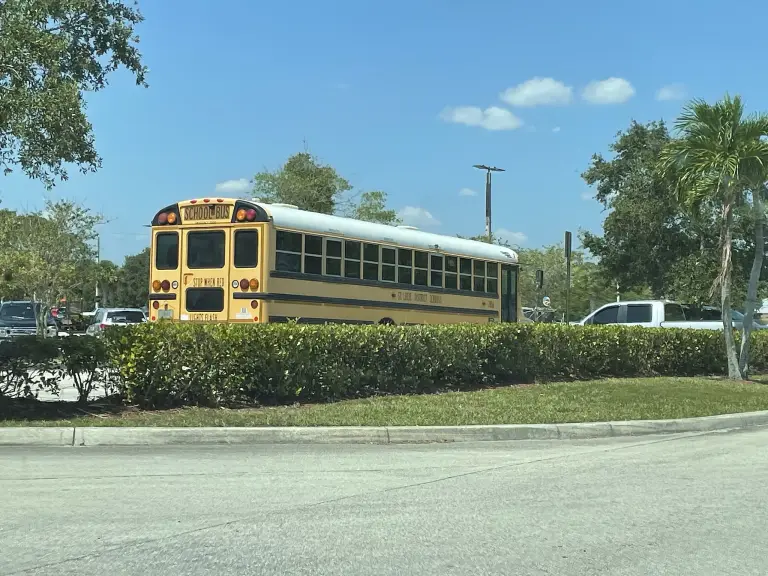
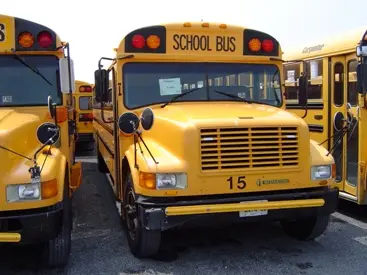
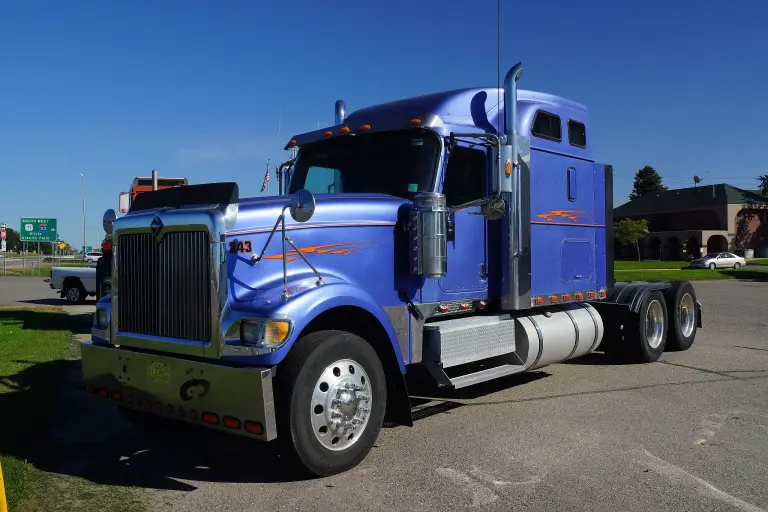
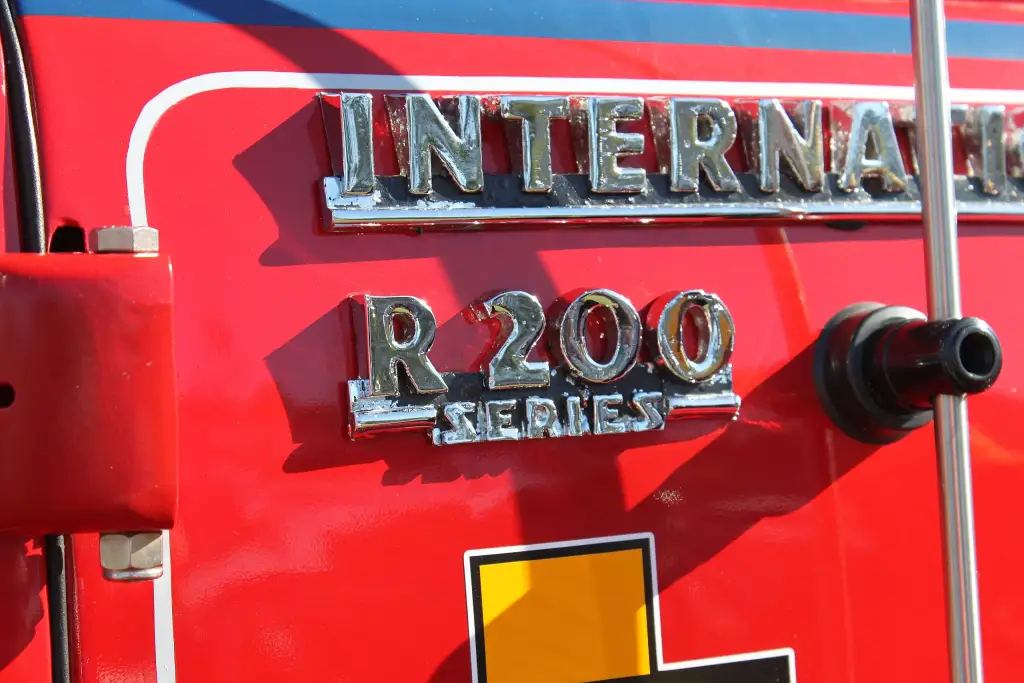
The medium-duty R-140 to R-180 were chassis-cab conventional trucks, also used as the basis of the Schoolmaster cowled bus chassis, and the Loadstar name returned for high-capacity versions of each family. In 1953 International introduced factory-produced four-wheel drive for the first time, in the R-140 and R-160; earlier 4×4 trucks had been conversions. Engines depended on the model: the R-140 and R-150 used the Silver Diamond 220, the R-160 a 108 hp Silver Diamond 240, the R-170 the Super Blue Diamond 269 of 101 hp and the R-180 the 130 hp Super Black Diamond 282. The medium-duty chassis also served as the basis of the Fageol van assembled by Twin Coach. The heavy-duty range included the R-190, R-200, R-210 and R-220, with a “D” for diesel engines, an “F” for tandem rear axles and an “H” for heavy-duty models, plus the R-306 for fire trucks and the long-nose RD-305 and RD-405 built to take Cummins diesels. A cab-over family, the RC, RDC and RDFC, was derived from the conventional trucks, and the V series of 1956 was developed from the R series to take International’s new V8 engines.
The S series and the end of the R
During 1955 the light and medium-duty R-series trucks were renamed the S series, which ran from the S-110 to the S-184 and was replaced by the completely new A series in 1957. The heavy-duty R-series trucks stayed in production into the 1960s under several designations: the cab-over was replaced by the DCO-400 Emeryville tilt cab in 1957, the construction-oriented F series appeared in 1960, the Fleetstar short-hood conventional began to replace several models in 1962, and in 1965 the construction trucks dropped their letter prefix to become the 210/230 series, which lasted until 1972 and was replaced by the Paystar. Production in 1953 alone came to 136,938 trucks, including 13,912 built at Chatham in Canada.
Design and features
- Tractor emblem: the IH grille emblem that became a trademark first appeared on the R series.
- Factory 4×4: the R-140 and R-160 were International’s first factory-built four-wheel-drive trucks.
- Travelall: the estate car that became a forerunner of the full-size SUV arrived in 1953 on the R series.
- Wide range: pickups, panel vans, chassis-cabs, school bus chassis and tandem-axle tractors.
- Diesel and heavy options: D, F and H suffixes marked diesel engines, tandem axles and heavy-duty models.
International R series versions
- R-110 to R-130: light pickups, panel trucks and chassis-cabs.
- R-100 (1954): cheaper entry model below the R-110.
- R-140 to R-180: medium-duty chassis-cab trucks and Schoolmaster bus chassis.
- R-190 to R-220: heavy-duty conventional trucks.
- R-306 and RD-305/405: fire trucks and long-nose Cummins-engined models.
- RC, RDC and RDFC: cab-over-engine versions.
The R series followed the L series and introduced the Travelall; its light and medium trucks became the S series in 1955. More trucks are in the International collection.
Sources
- International R series, English Wikipedia: models, engines, production, successors