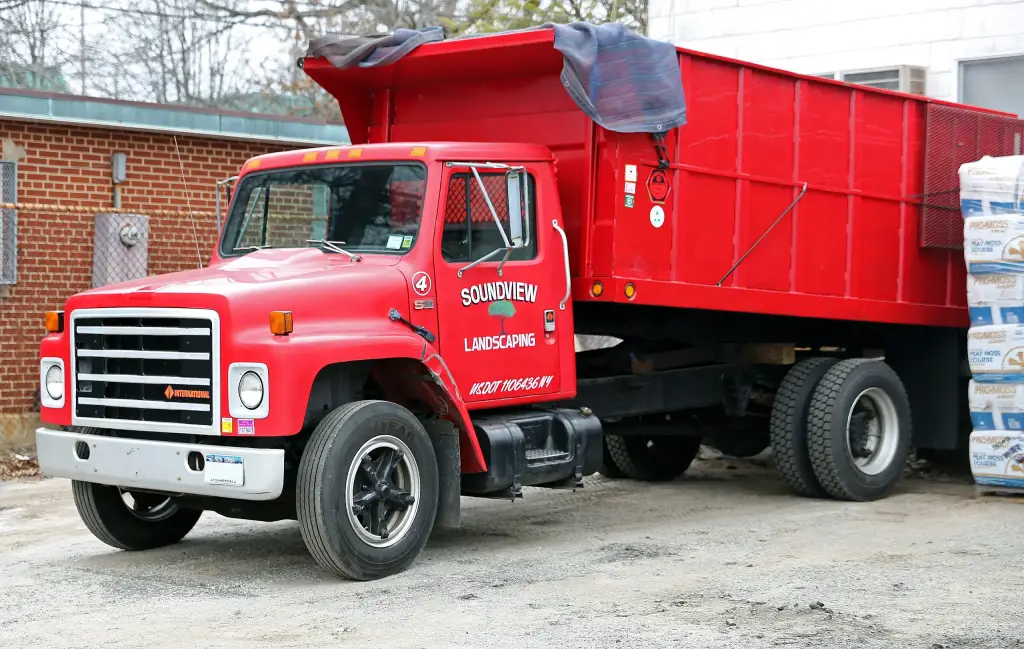
The International S series was the medium-duty truck range built by International Harvester and later Navistar from 1977 to 2001. It combined the Loadstar and Fleetstar into a single line, was the last complete truck range designed while International Harvester still existed, and after its 1989 revision it formed the basis of the 4000 series.
International S series at a glance
| Maker | International Harvester, later Navistar International |
|---|---|
| Production | 1977–2001, with severe-service and bus chassis versions until 2003–2004 |
| Introduced | April 1977 at the New Orleans Superdome |
| Purpose | to combine the Loadstar and Fleetstar into one medium-duty range |
| Models | 21 in the first generation, from the S1600 to the S2600 |
| Cab | new design with flat glass and a tilting fibreglass hood |
| Drivelines | petrol and diesel, single or tandem axles, 4×2, 4×4 and 6×6 |
| Diesel only | from 1987, the first medium-duty range sold only with diesel engines |
| Second generation | 1989–2002 “Thousand Series”, split into several families |
| Bus chassis | S1700 and S1800 versions for school buses |
Based on one source (English Wikipedia).
History of the International S series
Launch in 1977
In April 1977 International Harvester unveiled the medium-duty S series at the New Orleans Superdome. The first models were the heavier 2200, 2500 and 2600, rated from 28,000 to 45,000 lb gross vehicle weight, which replaced the Fleetstar; the lighter models that replaced the Loadstar went on sale in the summer of 1978. The full range had 21 models with a high degree of parts interchangeability, which cut the number of parts used by 30 per cent. After International stopped building pickups in 1975, the S series was given a cab of its own rather than the pickup cab used for the Loadstar. It was more upright and much wider, all the glass was flat to keep repair costs down, and every truck had a tilting fibreglass hood like the one introduced on the Loadstar in 1972. The range was meant to be called Tristar, and tandem-axle versions were named F-series trucks.
Models
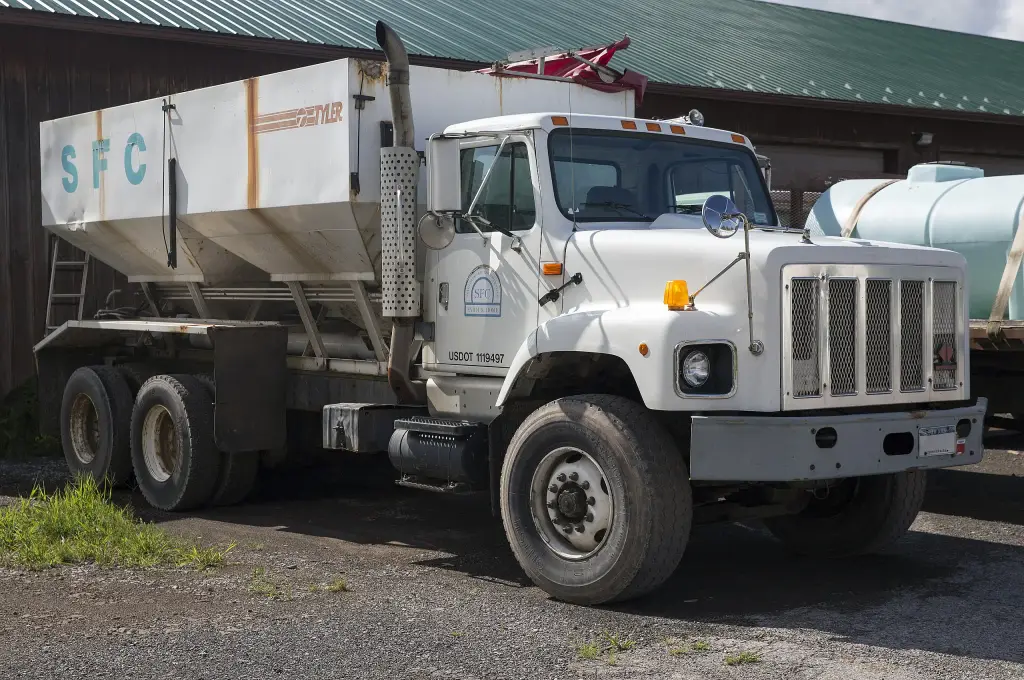
The Class 6 S1600, S1700, S1800 and S1900 arrived in 1979 and replaced the Loadstar, with single or tandem axles, four- and six-wheel drive and petrol or diesel engines. The S1800 and S1900 were sold as both tractors and straight trucks, while the S1700 and S1800 were used for International bus chassis, mainly for school buses. The Class 7 and 8 S2100 and S2200 of 1978 replaced the Fleetstar and were joined by the severe-service S2500 and S2600, slotted below the Paystar 5000. The S2100 had a sloped hood, and the S2200 a widened cab with a two-piece windshield so that larger diesels would fit under a standard-length hood. In 1982 the S2300 appeared, essentially an S2100 with Cummins engines in place of International’s own diesels.
1987 and the second generation
The S series ran through the 1980s almost unchanged. For 1987 the badging changed to reflect the move from International Harvester to Navistar: the word International across the top of the grille gave way to the red Navistar diamond, with International in red at the bottom right, and the tractor logo on the steering wheel became the diamond too. That year International also became the first truck maker to sell a medium-duty range powered only by diesel engines. During 1989 the line was substantially updated: the cab structure stayed, but the hoodline was lowered, the fenders were closer fitting and carried halogen headlamps, and the interior was restyled with an electronic instrument cluster. The S and F designations were replaced by the “Thousand Series” and the range split into three families sharing the same cab, with few changes until production ended in 2001. The 4000 series replaced it, and severe-service and bus chassis versions continued until 2003 and 2004.
Design and features
- One range, two ancestors: the S series replaced both the Loadstar and the Fleetstar.
- Standardisation: 21 models shared so many parts that the part count fell by 30 per cent.
- Purpose-built cab: wider and more upright than the pickup cab it replaced, with flat glass throughout.
- Diesel only from 1987: the first medium-duty range in the industry sold without petrol engines.
- Many bodies: crew cab, cutaway, cowled chassis and stripped chassis for school buses.
International S series versions
- S1600 and S1700 (1979): lighter Class 6 models, the S1700 also a bus chassis.
- S1800 and S1900: heavier Class 6 trucks, sold as tractors and straight trucks and used for buses.
- S2100 and S2200 (1978): Class 7 and 8 replacements for the Fleetstar.
- S2500 and S2600: severe-service models below the Paystar 5000.
- S2300 (1982): S2100 with Cummins engines.
- F-series: tandem-axle versions of the S series.
The S series replaced the Loadstar and Fleetstar and led to the 4000 series and DuraStar; its bus chassis is covered with the S series bus chassis. More trucks are in the International collection.
Sources
- International S series, English Wikipedia: models, cab, engines, generations