The Hupmobile roadster was the open, two-seat body that Hupp Motor Car Company sold from its first year. The 1909 Model 20 runabout was the simplest car the make built, and the open line ended with the Cyclefender roadster designed by Raymond Loewy in 1932.
Hupmobile Roadster at a glance
| Maker | Hupp Motor Car Company, Detroit, Michigan |
|---|---|
| First open model | Model 20 runabout, 1909 |
| Price of the Model 20 | $900 |
| Engine | four-cylinder, 3¼ × 3⅜ in, 16–20 hp |
| Wheelbase | 110 in |
| Tyres | 30 × 3½ in front, 31 × 3½ in rear |
| Gearbox | two-speed, low ratio 2.7 to one, reverse the same as low |
| Lubrication | Hupp system with oil for 250–300 miles |
| Cyclefender roadster | 1932, styled by Raymond Loewy |
| Eight-cylinder era | from 1925, when the four was dropped |
There is no separate Wikipedia article on the roadster; the page is based on the brand article “Hupmobile” in English, German and Italian.
History of the Hupmobile Roadster
Hupmobile began in 1909 with the Model 20, a small, inexpensive car that made the company’s name. The runabout, its open two-seater body, was the cheapest version, and the touring car was built on the same principles with a longer wheelbase, a stronger frame and a stronger rear axle.
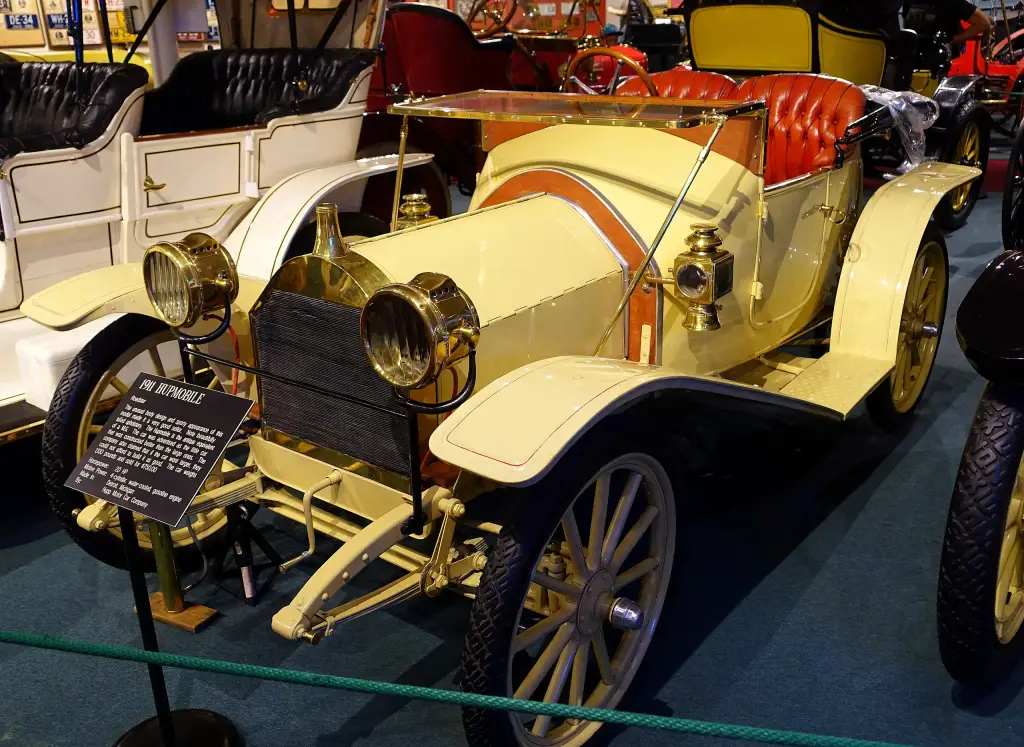
The Model 20 runabout
The Model 20 cost $900. Its four-cylinder engine had a bore of 3¼ inches and a stroke of 3⅜ inches and was rated at 16 to 20 horsepower, with the valves on the left side of the engine and the flywheel acting as a fan. The cars were lubricated by a Hupp system that carried enough oil for a 250 to 300-mile trip, and delivered to hot regions they were given an extra belt-driven fan.
The car was never really popular. It had only a two-speed transmission with very widely spaced ratios: low was 2.7 to one and high was direct, while reverse used the same ratio as low, so the car moved quite fast backwards. What it did offer was a guarantee that it was free of material and workmanship problems, with any damaged material replaced at no cost except the tyres.
All-steel bodies and the eight
In 1911 Hupp became one of the first two makers in the world to use all-steel bodies, working with Hale & Kilburn of Philadelphia on the Hupp 32; the bodies were pressed and hand-welded there, shipped by rail to Detroit and finished in the Hupmobile factory. The all-steel work was done on touring cars and coupes rather than on the open runabout. From 1925 the company turned to an eight-cylinder model and dropped its traditional four, a move that took it away from the customers who had bought its small cars.
The Cyclefender
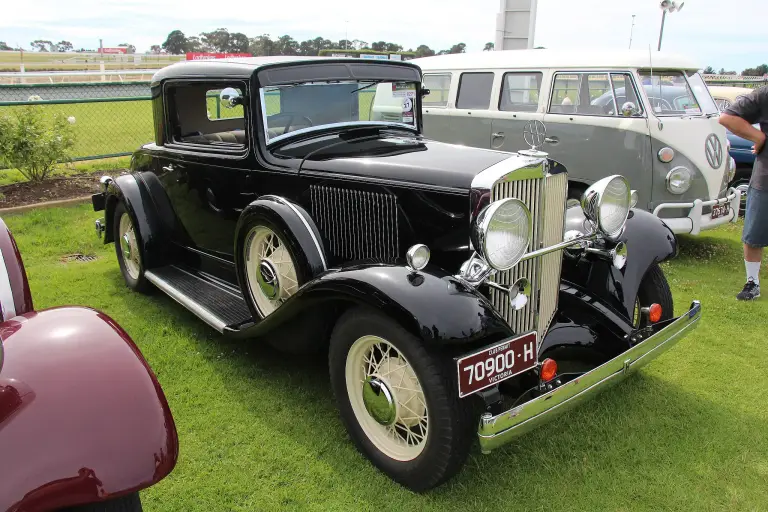
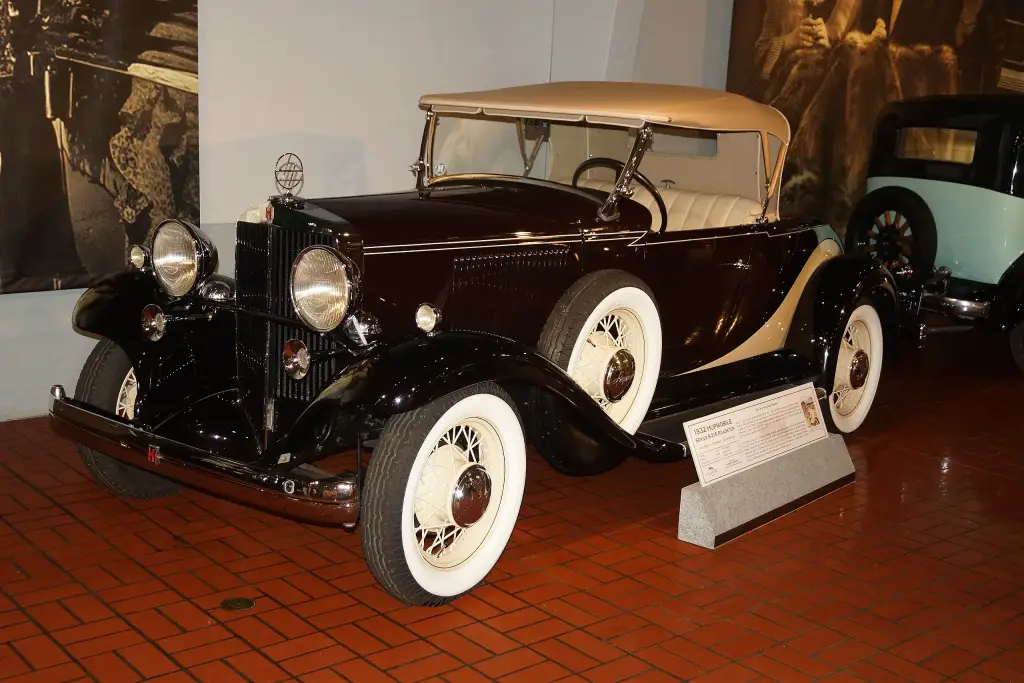
The last sporting open Hupmobile was the Cyclefender of 1932, drawn by the industrial designer Raymond Loewy. It was an elegant roadster with cycle-type wings, and it won races, but it could not stop the fall in sales that had begun with the Depression. After it the make moved to the streamlined Aerodynamic and finally to the Cord-bodied Skylark, and closed in 1939.
Design and features
- Simple open body: the runabout was the cheapest Hupmobile, the touring car a longer, stronger version of the same idea.
- Four-cylinder engine: 3¼ × 3⅜ inches, 16–20 hp, with a flywheel that doubled as a fan.
- Long-range lubrication: the Hupp oiling system was good for 250–300 miles between fills.
- Loewy’s Cyclefender: the 1932 roadster that closed the open line.
Hupmobile Roadster versions
- Model 20 runabout (1909): the original open two-seater, $900.
- Model 20 touring (1909): longer wheelbase, stronger frame and rear axle.
- Cyclefender (1932): Raymond Loewy’s sporting roadster.
- Eight-cylinder cars (1925 onwards): the larger Hupmobiles that replaced the four.
The closed cars of the same make are covered in the article on the Hupmobile coupe; the streamlined and Cord-based models in the articles on the Hupmobile Aerodynamic and the Hupmobile Skylark. More cars are in the Hupmobile collection.
Video: Hupmobile S roadster of 1930
Video on YouTube.
Sources
- Hupmobile, English Wikipedia: Model 20, runabout and touring, all-steel Hupp 32
- Hupmobile, German Wikipedia: eight-cylinder switch, Cyclefender roadster
- Hupmobile, Italian Wikipedia: early production, place of the make