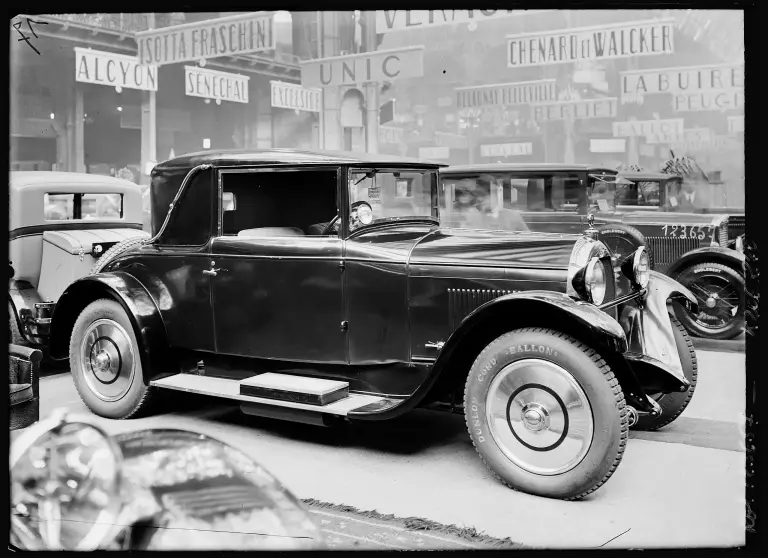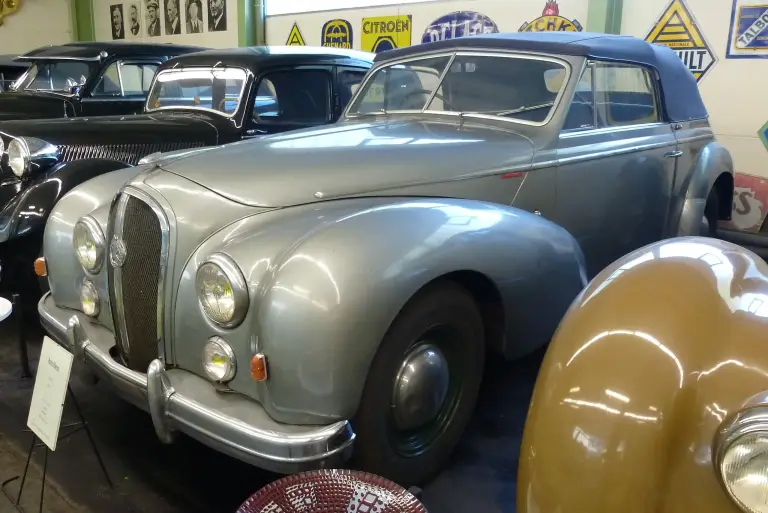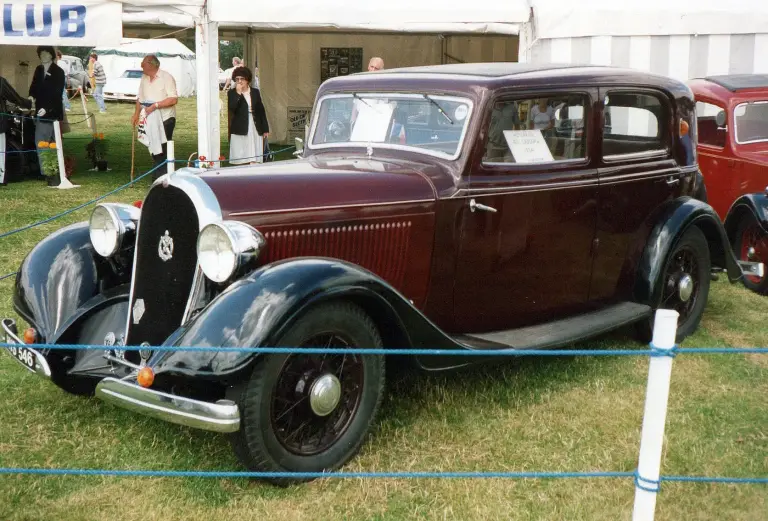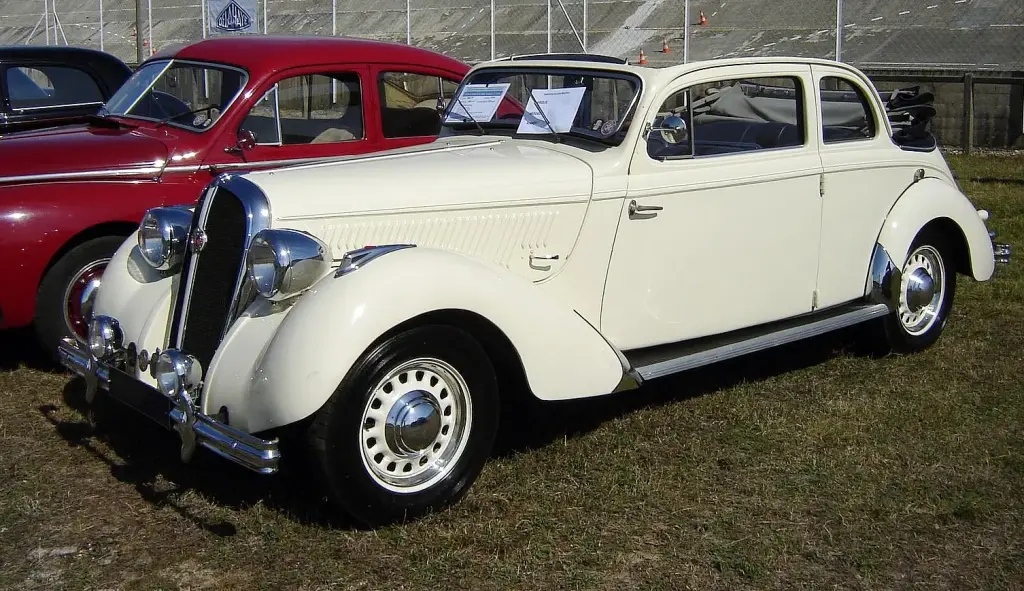
The Hotchkiss 686 was the largest model of the Serie 600, the family of six-cylinder luxury cars that Hotchkiss built from 1933 to 1939. The 3,485 cc engine gave it 125 hp, and the car was the natural successor of the AM80 S at the top of the range. After the Second World War its line returned as the 866.
Hotchkiss 686 at a glance
| Maker | Automobiles Hotchkiss, France |
|---|---|
| Family | Serie 600, 1933–1939 |
| 686 name | used from 1936, replacing 620 |
| Engine | 3,485 cc six-cylinder in-line |
| Power | 125 hp |
| Top speed | close to 140 km/h for the 620 with the same engine |
| Smaller models | 614, 2,511 cc, 60 hp; 615, 2,650 cc, about 65 hp |
| Middle model | 617, later 680, 3,015 cc, 85 hp |
| Sport version | GS, Gran Sport |
| Production | until 1939 |
| Successors | 866 from 1946, and the Artois 3.5 |
The 686 is described in the Italian Wikipedia article on the Serie 600; there is no separate article for the model.
History of the Hotchkiss 686
The unification of 1933
In 1933 Hotchkiss merged its models into a single range divided only by engine size. The cars between 2 and 2.4 litres, all with four-cylinder engines, formed what can be called the Serie 400, while those between 2.5 and 3.5 litres formed the Serie 600. The Serie 600 cars had six-cylinder engines and until then had been known mainly as the AM80 and AM80 S. As in the smaller series, the first figure of the name gave the number of cylinders and the other two the fiscal horsepower, so the new range ran from the 614 to the 617, with the 620 at the top in place of the AM80 S.
New names in 1936
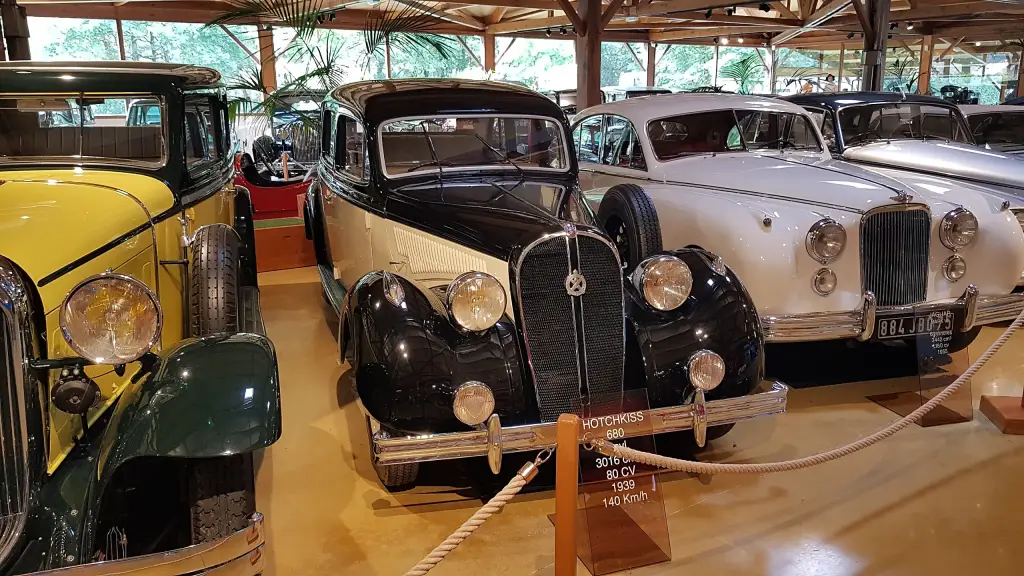
The 614 had a 2,511 cc engine with 60 hp and reached 110 km/h; the 615 used 2,650 cc and about 65 hp for just over 115 km/h; the 617 had the 3,015 cc engine already used in the AM80, with 85 hp and more than 120 km/h. At the head of the range the 620 carried the 3,485 cc engine of its predecessor, rated at 125 hp and good for almost 140 km/h. In 1936 the range was reorganised and the last two figures changed from fiscal horsepower to cylinder bore: the 617 became the 680 and the 620 became the 686, while the smaller 614 and 615 were dropped. The 680 and the 686 remained in production until 1939, also in GS versions with more sporting trim.
War, and the 866
Production stopped with the outbreak of the Second World War. It was taken up again in 1946 by the 866, practically a renamed 686, and by the Artois 3.5, a new edition of the 864 with the engine of the 866. In the meantime Hotchkiss had resumed work on the 13CV and 20CV cars; at the 1950 Paris Salon both were replaced by the Anjou, and the 686 line came to an end.
Design and features
- The big six: 3,485 cc and 125 hp, the engine that had first appeared in the AM80 S.
- A clear naming system: the first figure gave the cylinders, the last two the fiscal rating and, from 1936, the bore in millimetres.
- GS versions: the 680 and 686 were also built with the more sporting Gran Sport trim.
- Four body sizes in one family: from the 2.5-litre 614 to the 3.5-litre 686, all on six-cylinder engines.
Hotchkiss 686 versions
- 614: 2,511 cc, 60 hp, 110 km/h.
- 615: 2,650 cc, about 65 hp, over 115 km/h.
- 617 / 680: 3,015 cc, 85 hp, over 120 km/h; renamed 680 in 1936.
- 620 / 686: 3,485 cc, 125 hp, almost 140 km/h; named 686 from 1936.
- GS: the Gran Sport version of the 680 and 686.
- 866 and Artois 3.5: the postwar continuation of the line from 1946.
The 686 shared its years with the four-cylinder Serie 400, and the later 864 and Artois carried the family into the postwar years. More cars are in the Hotchkiss collection.
Video: Hotchkiss 686 GS
Video on YouTube.
Sources
- Hotchkiss Serie 600, Italian Wikipedia: models, engines, renaming, production
- Hotchkiss, Italian Wikipedia: the company’s interwar range
- Hotchkiss, French Wikipedia: the overhead-valve six and the 1950 Salon