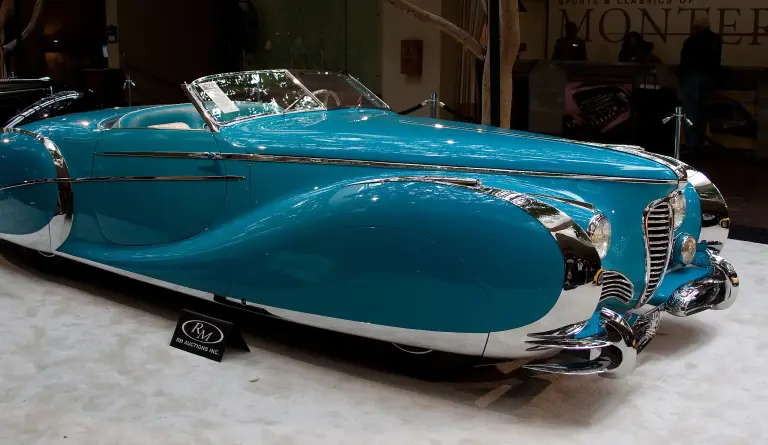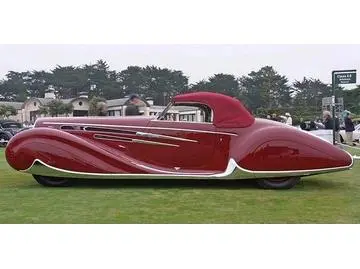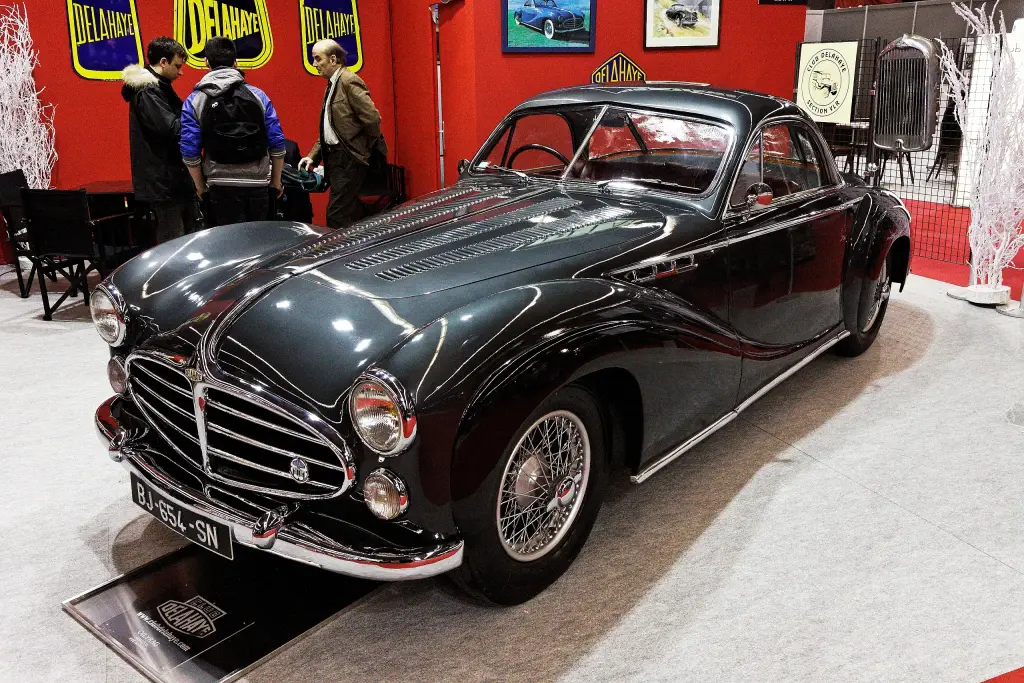
The Delahaye 235 was a luxury car built from 1951 until 1954 and the last model the company introduced. It clothed the pre-war 3.6-litre six and the 135MS chassis in modern ponton bodywork by Philippe Charbonneaux, but it appeared too late to save Delahaye.
Delahaye 235 at a glance
| Maker | Delahaye, Paris |
|---|---|
| Production | 1951–1954 |
| Premiered | Paris Auto Salon, 1951 |
| Engine | 3,557 cc overhead-valve straight six from the 135MS |
| Carburettors | three downdraught Solex |
| Power | 152 hp (113 kW) at 4,200 rpm |
| Top speed | about 170 km/h (106 mph) |
| Body | ponton style, full-width front by Philippe Charbonneaux |
| Coachbuilders | Chapron, Figoni, Saoutchik, Antem and others |
| Factory body | Chapron coach d’usine from 1953, 2,700,000 francs |
| Built | 84 |
History of the Delahaye 235
A pre-war car in a new suit
The 235 was presented at the 1951 Paris Auto Salon as an attempt to update the pre-war Type 135 for the 1950s. Delahaye badly needed something new: combined production of the 135 and 175 ranges had fallen to just 77 cars in 1951. The most visible change was the modern ponton bodywork with a full-width front designed by chief designer Philippe Charbonneaux, while the mechanics were credited to Fernand Lacour. The prototype’s body was built by Motto in Italy. Under the skin the 235 was a rebodied 135MS, with the well-known 3.6-litre six fitted with three downdraught Solex carburettors and tuned to 152 hp at 4,200 rpm, giving a top speed of about 170 km/h.
Chassis sales and the coach d’usine
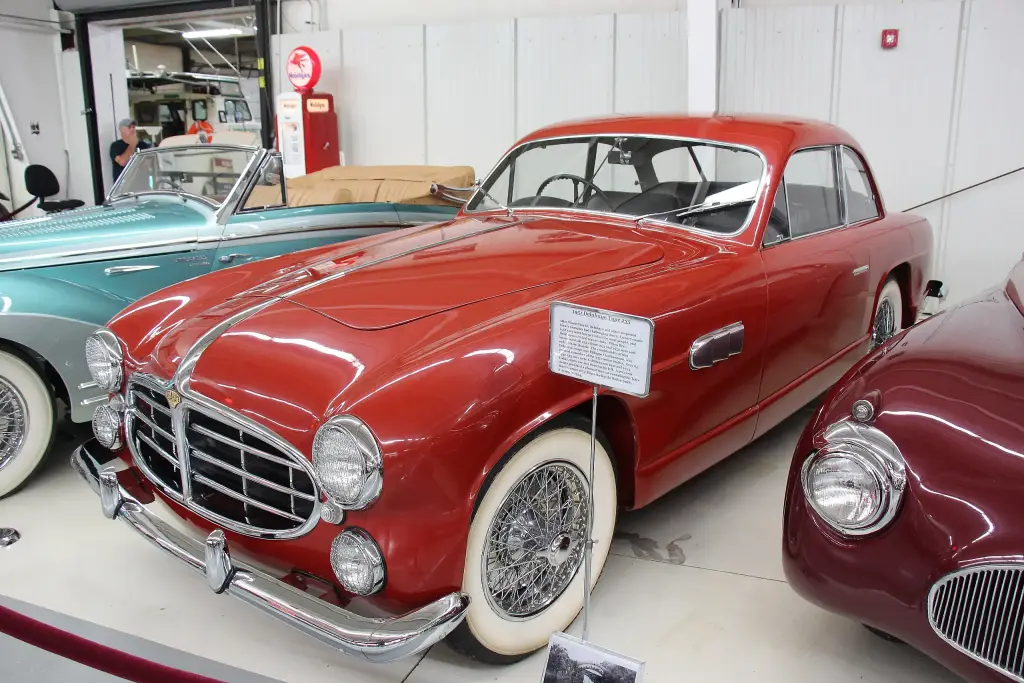
Like its predecessors the 235 was at first sold only in chassis form, with bodies supplied mainly by Henri Chapron but also by Figoni, Saoutchik, Antem and others. Delahaye’s own works at the rue de Banquier in Paris were never tooled up to build car bodies for it. In 1953, as a response to sluggish sales, a standardised factory body, the coach d’usine, became available from Chapron at 2,700,000 francs, nearly thirty per cent less than a bespoke body. Even so, a Chapron-bodied 235 cost 3,800,000 francs in 1952 — five times the price of a Citroën 15CV and twice that of the much faster Jaguar XK120. The brakes and the fuel consumption were widely criticised, largely because of the very heavy coachwork.
The end of the marque
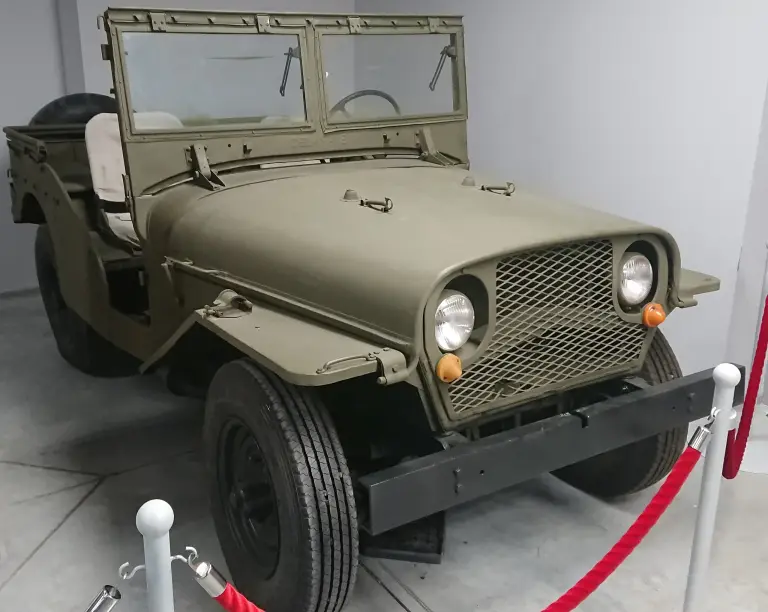
The 235 competed with the Grégoire and the Anjou from Hotchkiss, and in the marketplace it effectively replaced the larger Type 175 while the lesser 135M stayed on until 1954. Only 84 were built. After the army chose licence-built Hotchkiss Jeeps over the Delahaye VLR, Hotchkiss took over Delahaye in June 1954 and car production ended shortly afterwards. The 235 appeared at the Paris Salon for the last time in 1954, to sell off remaining stock, which marked the end of Delahaye as a car maker.
Design and features
- Ponton styling: the full-width front by Philippe Charbonneaux gave the old 135 chassis a modern look.
- 135MS power: a 152 hp 3.6-litre six with three Solex carburettors, about 170 km/h.
- Coachbuilt choice: Chapron, Figoni, Saoutchik and Antem bodies on a chassis-only sale.
- Cheaper factory body: the 1953 Chapron coach d’usine cost nearly 30 per cent less than a bespoke body.
Delahaye 235 versions
- 235 chassis (1951–1954): sold to coachbuilders, mainly Chapron.
- Figoni, Saoutchik and Antem bodies: individual coachbuilt versions.
- Coach d’usine (1953–1954): standardised Chapron body at 2,700,000 francs.
The 235 was the last development of the Delahaye 135 and replaced the larger Delahaye 175 in the showroom. The same events ended the military Delahaye VLR; more cars are in the Delahaye collection.
Video: Delahaye 235 at a classic car gathering
Video on YouTube.
Sources
- Delahaye 235, English Wikipedia: body, engine, prices, production, end of the marque
- Delahaye 135, English Wikipedia: the 235 as an updated 135M