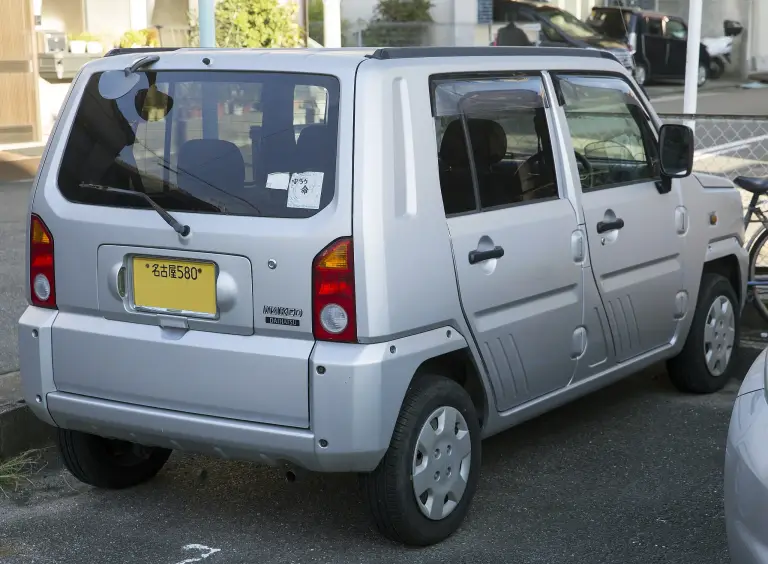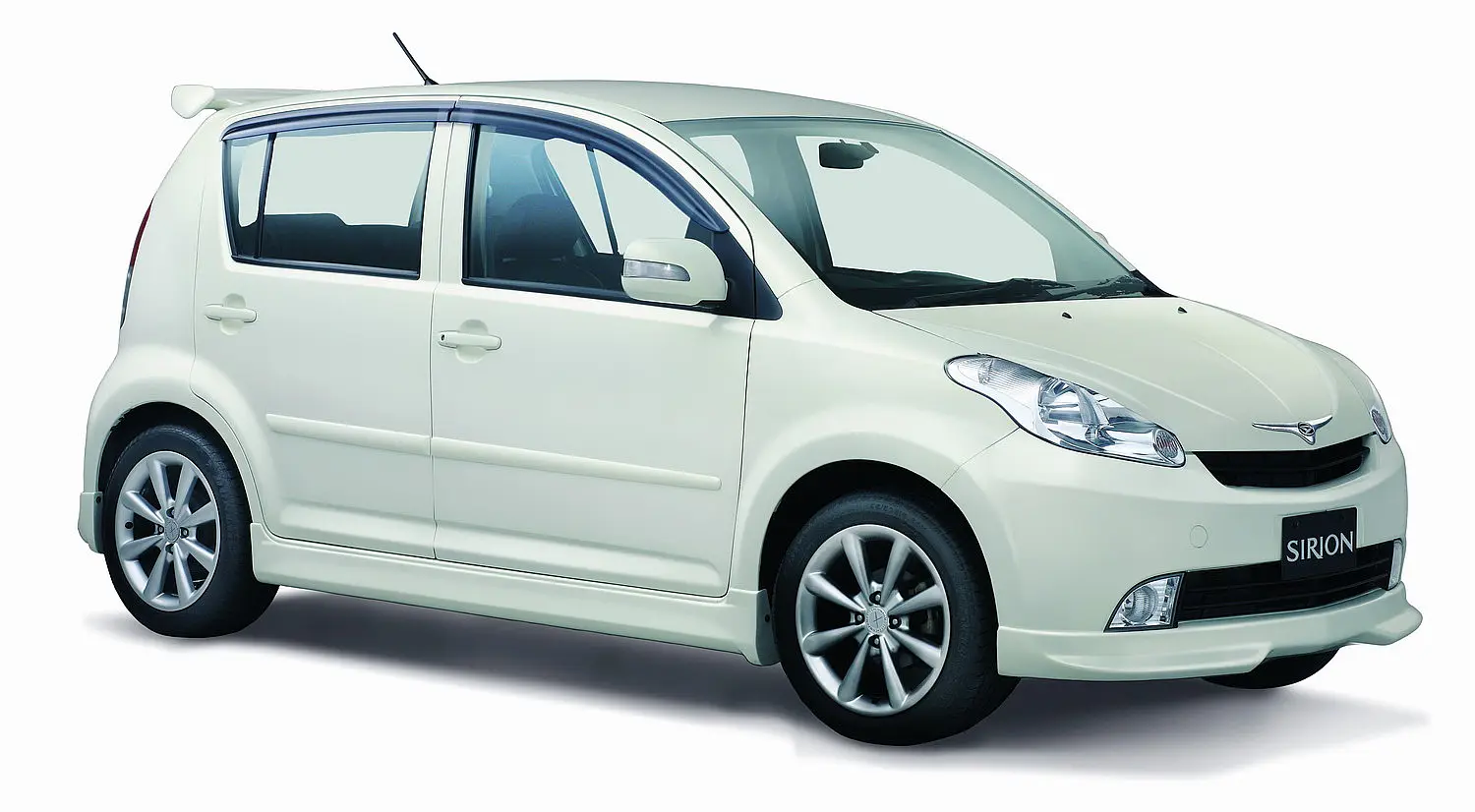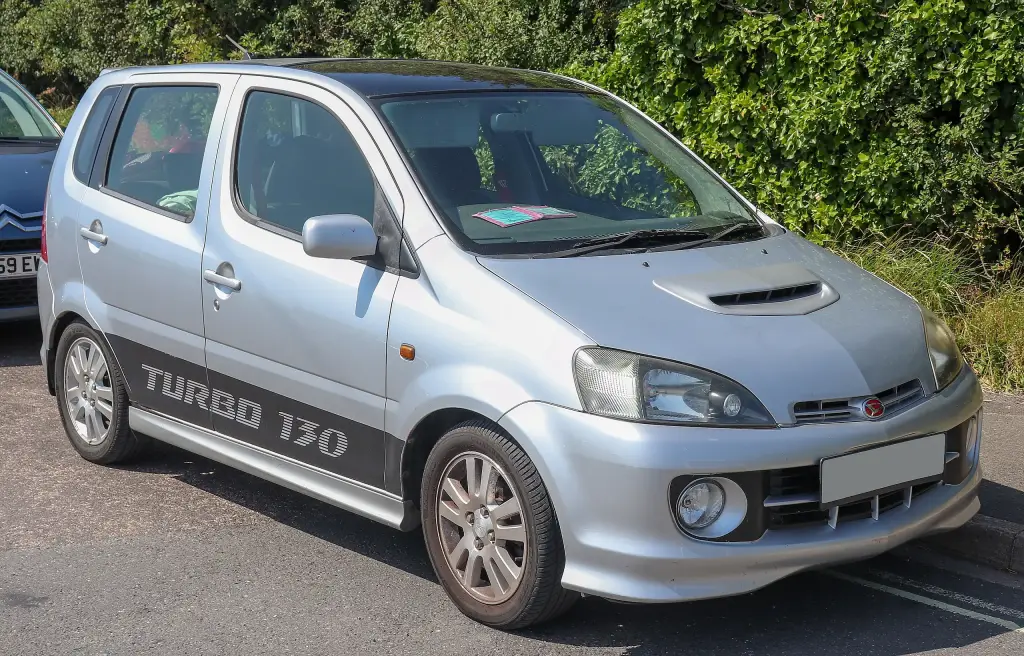
The Daihatsu YRV was a mini MPV manufactured from 2000 to 2005. The name stood for “Young Recreational Vehicle”, and the car was based on the contemporary Storia and Sirion, offering a sportier character and more powerful engines than its Japanese rivals. Turbocharged versions and a four-wheel-drive system were part of the range.
Daihatsu YRV at a glance
| Maker | Daihatsu, Japan |
|---|---|
| Production | 2000–2005 |
| Class | mini MPV |
| Based on | Daihatsu Storia and Sirion |
| Engines | 1.3-litre K3-VE, turbo K3-VET |
| Turbo power | 140 PS |
| Four-wheel drive | 4Trak, with the 1.3-litre engine |
| Gearbox | five-speed manual or four-speed automatic |
| Semi-automatic | F-Speed, column-mounted shifter |
| Name meaning | Young Recreational Vehicle |
Based on one source.
History of the Daihatsu YRV
A sportier small MPV
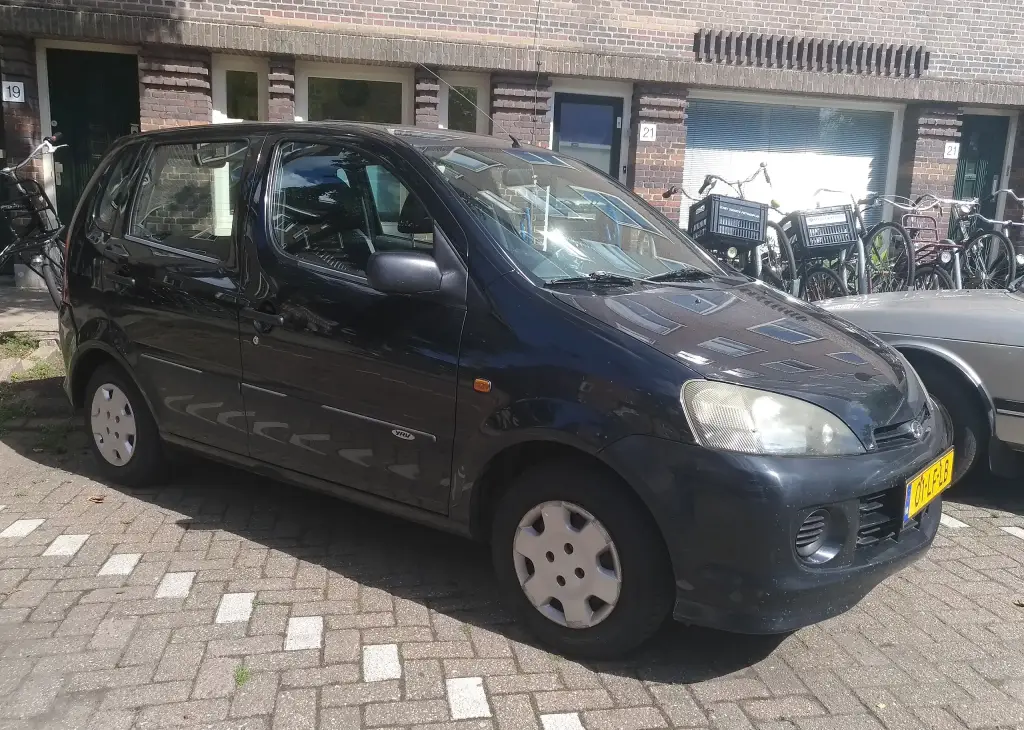
The YRV was launched in 2000 and built until 2005. It shared its basis with the Storia, sold abroad as the Sirion, but was taller and offered a sportier character, nimbler handling and more powerful engine options than other Japanese cars of its size. The naturally aspirated engine was the 1.3-litre K3-VE; the Japanese market also received a turbocharged version, and the four-wheel-drive car used the turbocharged K3-VET of 140 PS.
Four-wheel drive and transmissions
The four-wheel-drive system, called 4Trak, was available internationally only with the 1.3-litre K3-VE engine. All other versions were front-wheel drive. There was also an F-Speed semi-automatic version, with the gear shifter mounted on the steering column, which Daihatsu called a dashboard shift; with minor updates in December 2001 the YRV Turbo switched to the more common floor-mounted shifter. The Japanese four-wheel-drive model was offered from launch until 2005 with the turbo engine and an electronically controlled four-speed automatic with paddle shift as its only gearbox, also moved to the floor in the facelift.
The YRV had an optional electronically controlled four-speed automatic. The YRV Turbo came with this transmission as standard and had no manual option: the transmissions were tightly limited in size to allow a small turning circle, and the manual gearbox did not have a sufficient torque rating for the turbo engine. While Japanese buyers described the handling as “European”, the turbocharged car was judged to need extra tuning; its engine was first tested in a Sirion, and the YRV was developed further before going on sale in Europe.
The British favourite
A premium specification was also offered, with the naturally aspirated K3-VE engine, side skirts and five-spoke alloy wheels. It was the best-selling of the three YRV specifications in the United Kingdom and remains the most common version there.
Design and features
- Mini MPV body: taller than the Storia and Sirion it was based on.
- Turbo engine: the K3-VET of 140 PS in four-wheel-drive form.
- 4Trak: four-wheel drive offered with the 1.3-litre engine.
- F-Speed: a semi-automatic with a column-mounted shifter.
Daihatsu YRV versions
- YRV 1.3: the naturally aspirated K3-VE, front- or four-wheel drive.
- YRV Turbo: the turbocharged car, automatic only.
- Japanese 4WD Turbo: 140 PS with paddle-shift automatic.
- Premium specification: side skirts and five-spoke alloys, popular in Britain.
- F-Speed: the semi-automatic version with dashboard shift.
The YRV shared its platform with the Sirion and sat above the smaller Move in the range. More cars are in the Daihatsu collection.
Sources
- Daihatsu YRV, English Wikipedia: engines, transmissions, four-wheel drive, UK versions