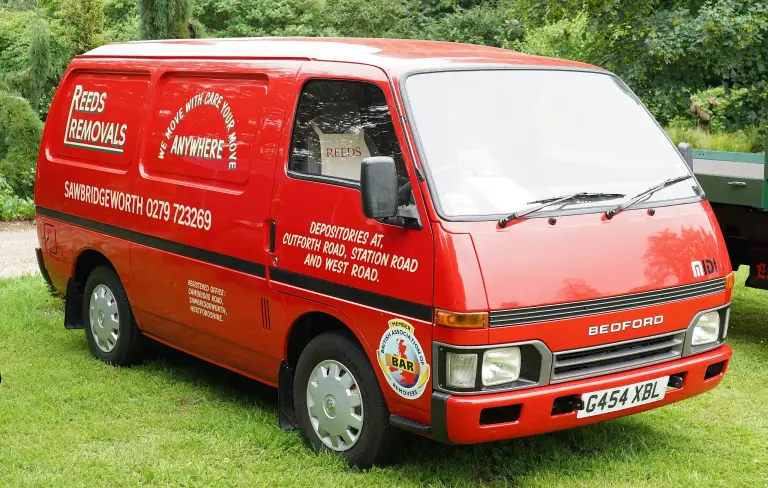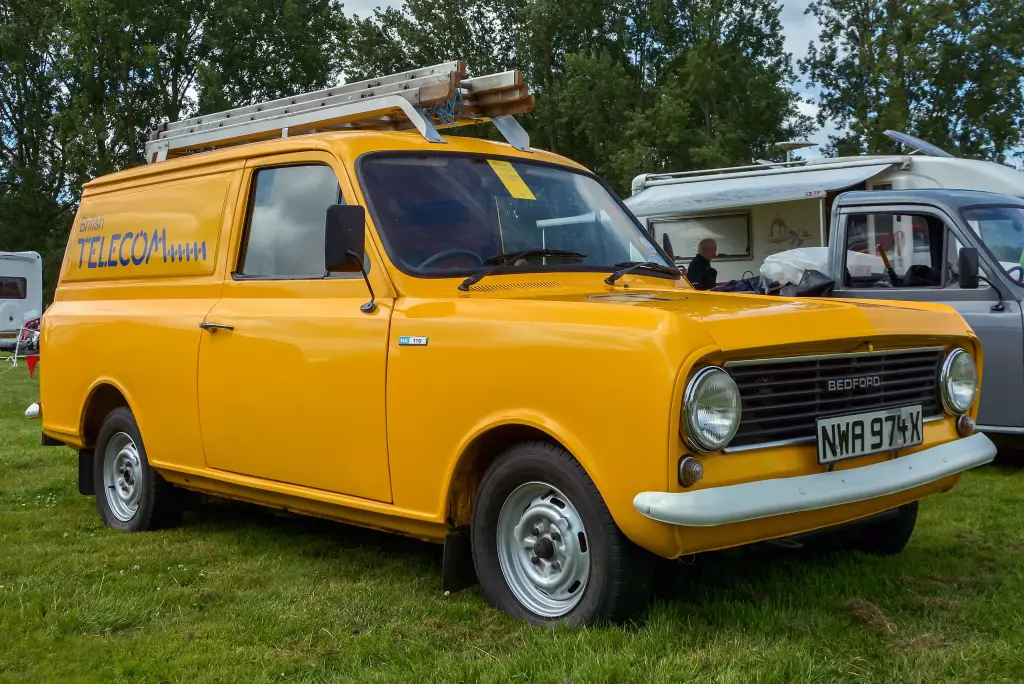
The Bedford HA was a car-derived van introduced in August 1964 by Bedford and based on the Vauxhall Viva (HA) family car. It was extremely popular with utility companies in the United Kingdom and stayed in production until September 1983, by which time 689,512 had been built.
Bedford HA at a glance
| Maker | Bedford |
|---|---|
| Production | August 1964 – September 1983 |
| Based on | Vauxhall Viva HA |
| Models | 6 cwt and 8 cwt (HAE and HAV) |
| Payload | 300 or 410 kg (670 or 900 lb) |
| Gross vehicle weight | 1,090 or 1,185 kg |
| Engines | 1,057 cc; 1,159 cc from 1967; 1,256 cc from 1972 |
| Power | 47.8 hp gross / 40.3 hp net at first; 42.5 bhp by 1977 |
| Conversions | Bedford Beagle estate, Bedford Roma campervan |
| Also sold as | Bedford Handi-Van in Australia, 1964-1970 |
| Built | 689,512 |
| Successor | Bedford Astra Van |
History of the Bedford HA
From the Viva HA
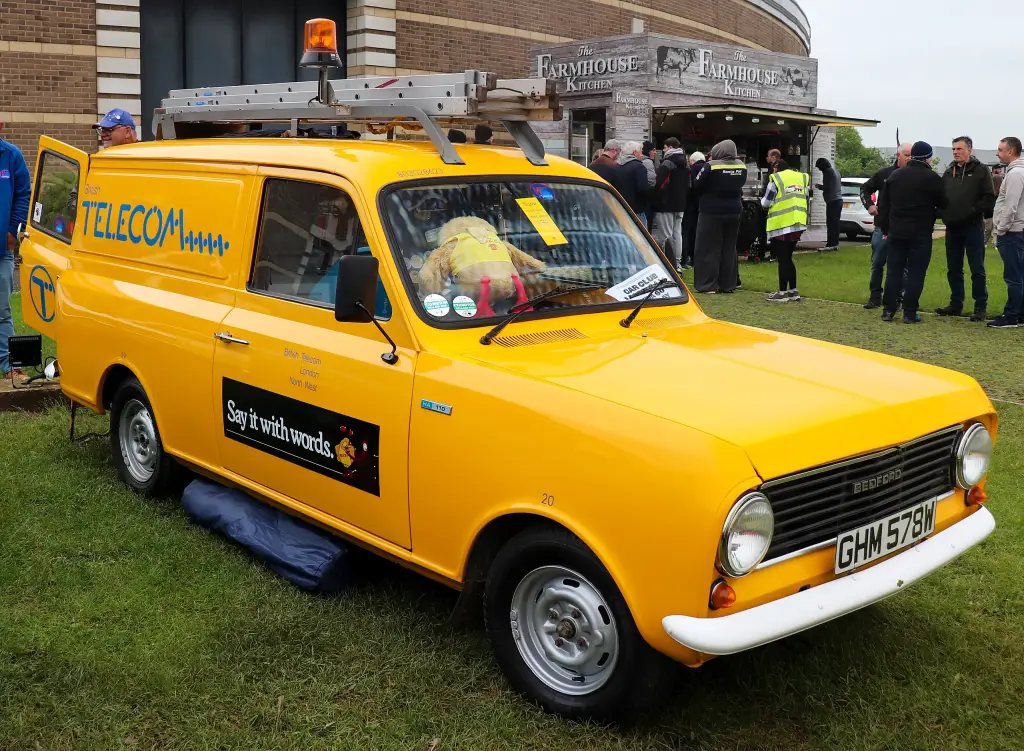
The HA van was introduced in August 1964 and used the running gear and front bodywork of the Vauxhall Viva HA. It was originally available in 6 cwt and heavier-duty 8 cwt models, with payloads of 300 or 410 kg and gross vehicle weights of 1,090 and 1,185 kg. The chassis codes were HAE and HAV respectively. The 8 cwt had a heavier rear axle, bigger tyres and a sixth leaf in the rear springs, and was generally better equipped with chromed trim and slightly plusher interior fittings. By 1971 the 6 cwt had been downgraded further and came with only a driver’s seat as standard, with a fold-down rear seat available as an option.
The van was extremely popular with utility companies: the Royal Mail, British Rail, electricity boards, the GPO (later British Telecom) and British Gas all ran large fleets, as did British European Airways and Meals on Wheels services. It was also the inspiration for Postman Pat’s original van. In Australia the HA was sold as the Bedford Handi-Van from 1964 until 1970.
The Beagle and the Roma
The Bedford Beagle was an officially sanctioned estate conversion of the 8 cwt van, carried out by Martin Walter of Folkestone, Kent. It received rear side windows and a fold-down rear seat, leaving 28 inches of luggage space with the seat in use. The Bedford Roma was a three-berth campervan with a sideways-opening clamshell roof with canvas walls, produced from October 1967 until 1973. A pickup was also made by Martin Walter and by Walker Bodies of Watford in very small numbers, believed to be around 60 in total.
Engines and the end of production
The early 1,057 cc engine had a lower compression ratio than the Viva saloon, 7.3:1 rather than 8.5:1, and produced 47.8 hp gross or 40.3 hp net at 5,200 rpm. In 1967 the HA received the engine of the changed Viva: a 1,159 cc unit, essentially the same as before but with net power down to a claimed 32.2 hp at 4,600 rpm, running on the lowest-rated fuel and fitted with a 17 mm-bore carburettor for higher fuel mileage. Later models used a 1,256 cc engine with 48 hp gross or 39 hp net. By 1977 only net ratings were offered, with power up to 31.7 kW (42.5 bhp). The lighter-duty HA 110 also had an Economy version with a CD carburettor, redesigned manifold and different camshaft, offering up to 30% lower fuel consumption, though power dropped to 18 kW.
By the late 1970s the models had been renamed HA 110 and HA 130, with payload ratings of 371 and 546 kg. The HA continued for nearly twenty years. It was first supplanted by the short-lived, Chevette-based Bedford Chevanne in 1976, and the Chevanne was in turn replaced by the Opel-based Bedford Astravan and Astramax in September 1982. The HA remained available for another year as a simple, low-cost alternative with maximum interior space, despite the Viva having gone through two further generations; the van’s bodywork stayed the same until production ended in September 1983. It was replaced by a low-cost fleet version of the Bedford Astra Van.
Design and features
- Viva-derived running gear: the HA used the Vauxhall Viva HA’s mechanicals and front bodywork, which kept it simple and cheap to run.
- Low compression: the 7.3:1 ratio let the van run on the lowest-rated fuel.
- Economy version: a CD carburettor, redesigned manifold and different camshaft gave up to 30% lower fuel consumption on the HA 110.
- Fleet favourite: the Royal Mail, British Rail, electricity boards, the GPO and British Gas all used the HA in large numbers.
- Long-lived body: the bodywork stayed the same through two later generations of the Viva.
Bedford HA versions
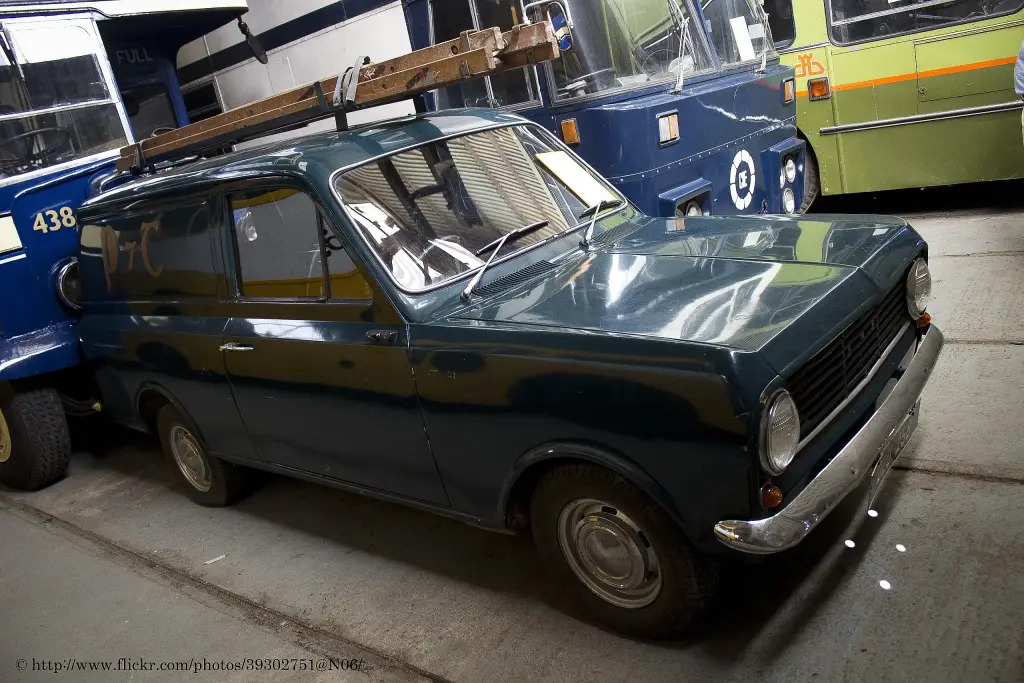
- 6 cwt (HAE): the lighter model with 300 kg payload.
- 8 cwt (HAV): heavier rear axle, bigger tyres and a sixth rear spring leaf.
- Bedford Beagle: Martin Walter’s estate conversion with rear side windows and a folding rear seat.
- Bedford Roma: a three-berth campervan with a clamshell roof, built from 1967 to 1973.
- HA 110 and HA 130: the late-1970s names, with 371 and 546 kg payloads.
- Bedford Handi-Van: the Australian-market version sold from 1964 to 1970.
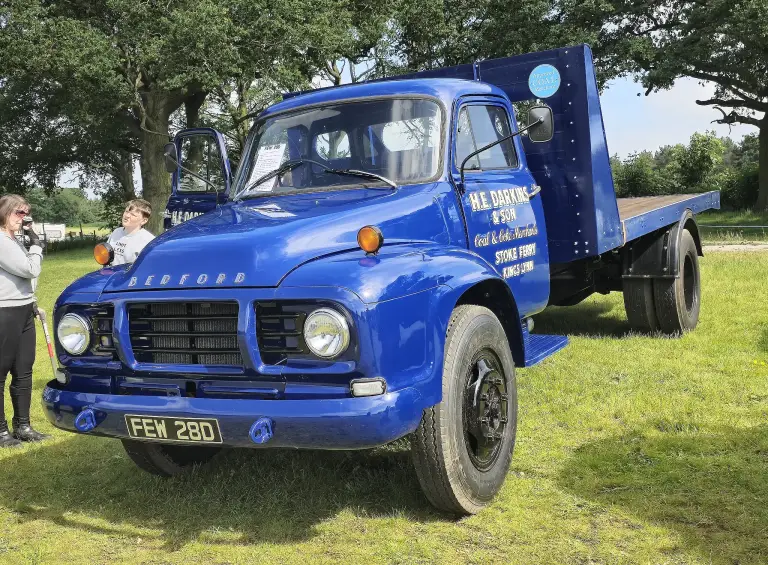
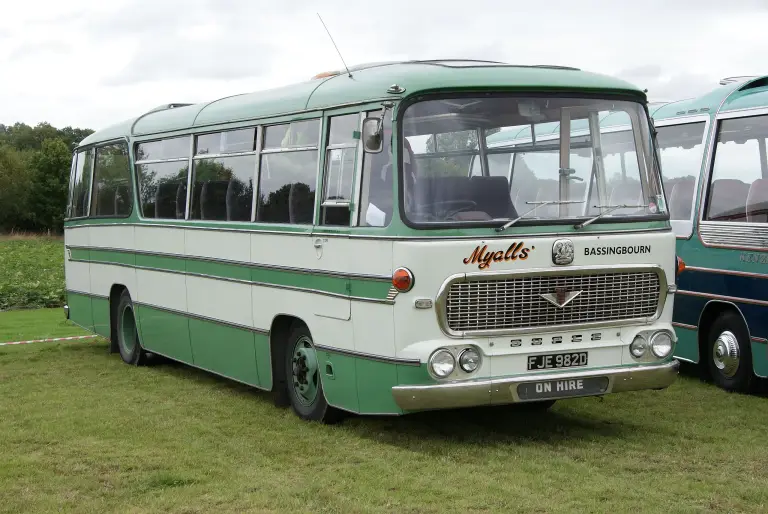
The HA sat below the larger Bedford CA and was later joined by the Bedford Chevanne. See the Bedford collection for more.
Video: Bedford HA Van
Video by vivahc1 on YouTube.
Sources
- Bedford HA, English Wikipedia: models, engines, fleets, conversions, production
- Bedford HC, French Wikipedia: earlier Bedford light vans context