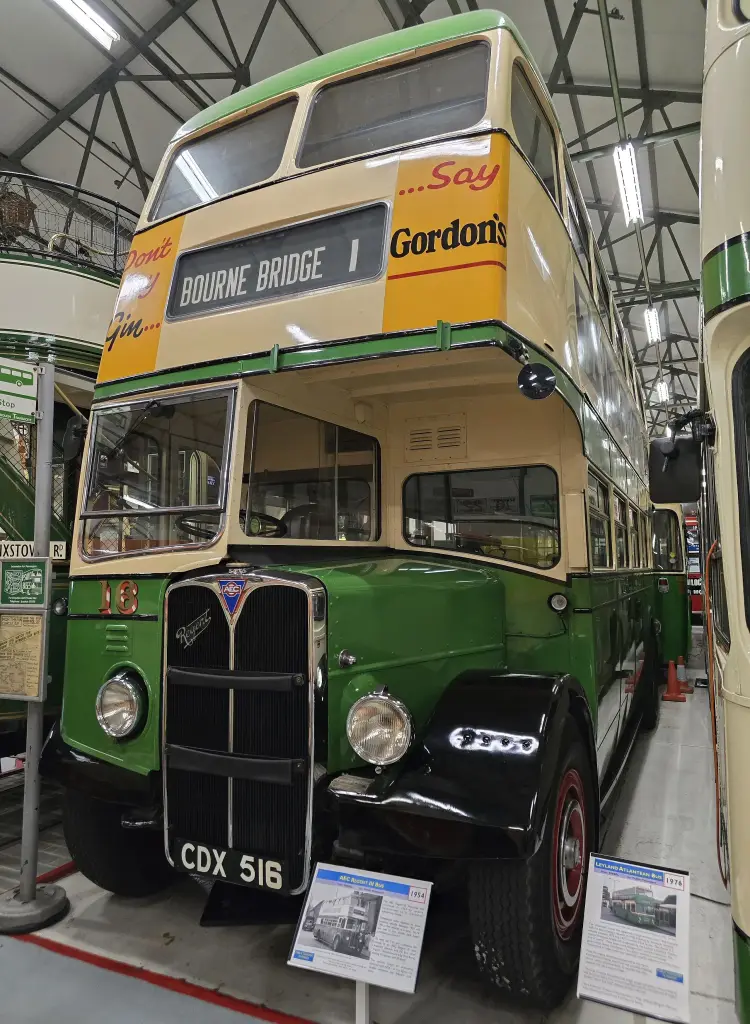
The AEC Regent III, also called Regent 3 or Regent Mark III, was a double-decker bus chassis manufactured by AEC from 1950 to 1956. It was built mainly for operators outside London and overseas, while the closely related RT-type became London’s standard red bus.
AEC Regent III at a glance
| Maker | AEC, Southall |
|---|---|
| Production | 1950–1956 |
| Type | double-decker bus chassis, step entrance |
| Predecessor | AEC Regent II |
| Successor | AEC Regent V |
| Engine | 9.6-litre diesel, a minority with 7.7 litres |
| Gearbox | Wilson preselective epicyclic; a minority with crash gearboxes |
| Brakes | air-pressure operated, a minority with vacuum brakes |
| Bodies | Park Royal, Metro Cammell Weymann, Charles H. Roe and others |
| London RLH | 76 buses with Weymann lowbridge bodywork, 1950–1971 |
| Last built | for Reading Corporation in 1956 |
English Wikipedia’s page titled AEC Regent is a list of the Regent models; the facts here come from the article on the Regent III.
History of the AEC Regent III
The Regent III was the 1950–56 double-decker chassis that followed the Regent II. It could be fitted with AEC’s 9.6-litre diesel engine, except a minority with 7.7-litre units, and with the Wilson preselective epicyclic gearbox, except for a minority with crash gearboxes; a synchromesh option became available in the early 1950s. Air-pressure operated brakes were standard, again with a minority on vacuum. Bodies came from several manufacturers, among them Park Royal, Metro Cammell Weymann and Charles H. Roe.
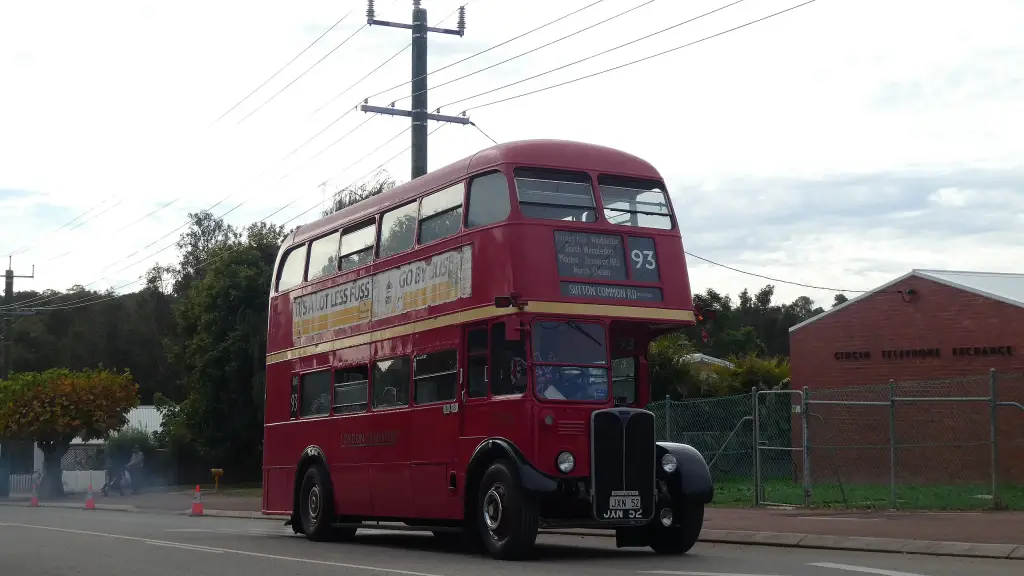
London Transport acquired 76 Regent III buses with Weymann lowbridge bodywork, numbered as the RLH class (Regent Low Height) and used from 1950 until 1971. The first 20 were built in 1950 and were almost identical to 10 vehicles sold to Midland General, which had ordered them first; a further batch of 56 with minor differences followed in 1952. They worked from garages in both the central red and the country green areas of London Transport, usually where a low railway bridge would otherwise have been a problem. Their height of 13 ft 6 in, about 1 ft 1 in lower than standard double-deckers, meant that many were sold abroad after London service, especially to Europe and the USA where height limits allowed them to operate.
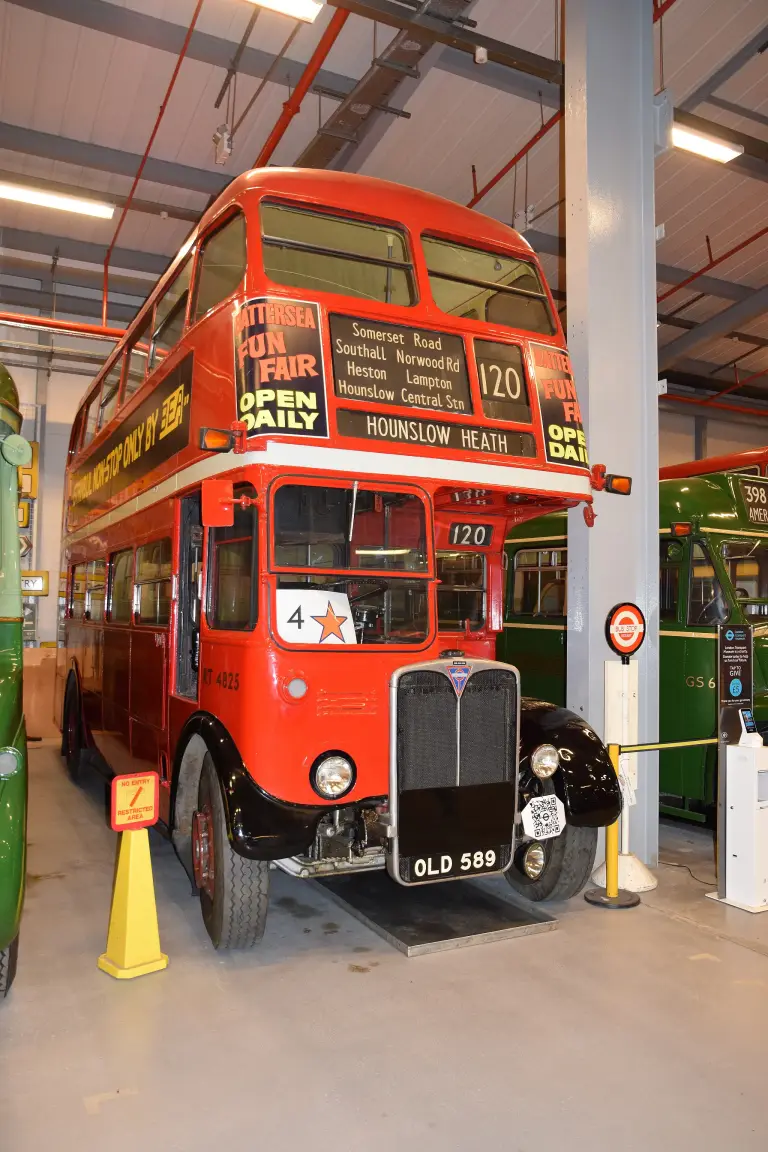
The RT-type was a separate development: first built in 1939 and designed for and by London Transport, it was the standard red London bus of the 1950s, with 4,825 built for London Transport, and some also went to operators outside London such as St Helens Transport. The Regent III itself was superseded by the Regent V, not by the Regent IV, which existed only as a one-off underfloor-engined prototype. The last Regent IIIs were supplied to Reading Corporation in 1956.
Design and features
- 9.6-litre diesel: AEC’s big six was standard, with a small number of 7.7-litre buses.
- Preselective gearbox: the Wilson epicyclic transmission was normal, with crash and later synchromesh options.
- Lowbridge RLH: a 13 ft 6 in version built for London routes with low railway bridges.
- Export career: low RLHs were sold on to Europe and the United States after London service.
AEC Regent III versions
- Regent III standard: 9.6-litre diesel, Wilson gearbox, air brakes, various bodybuilders.
- RLH: 76 London Transport buses with Weymann lowbridge bodywork, 1950–1971.
- RT-type: the London-designed double-decker covered separately, first built in 1939.
- Export and provincial bodies: Park Royal, Metro Cammell Weymann and Charles H. Roe among others.
The London version is described in the article on the Regent III RT, and the Regent III led on to the Regal single-decker family. More buses are in the AEC collection.
Video: A ride on Rochdale Corporation AEC Regent III no. 235
Video by Paul Williams on YouTube.
Sources
- AEC Regent III, English Wikipedia: production, engines, gearboxes, RLH, RT-type