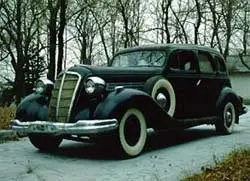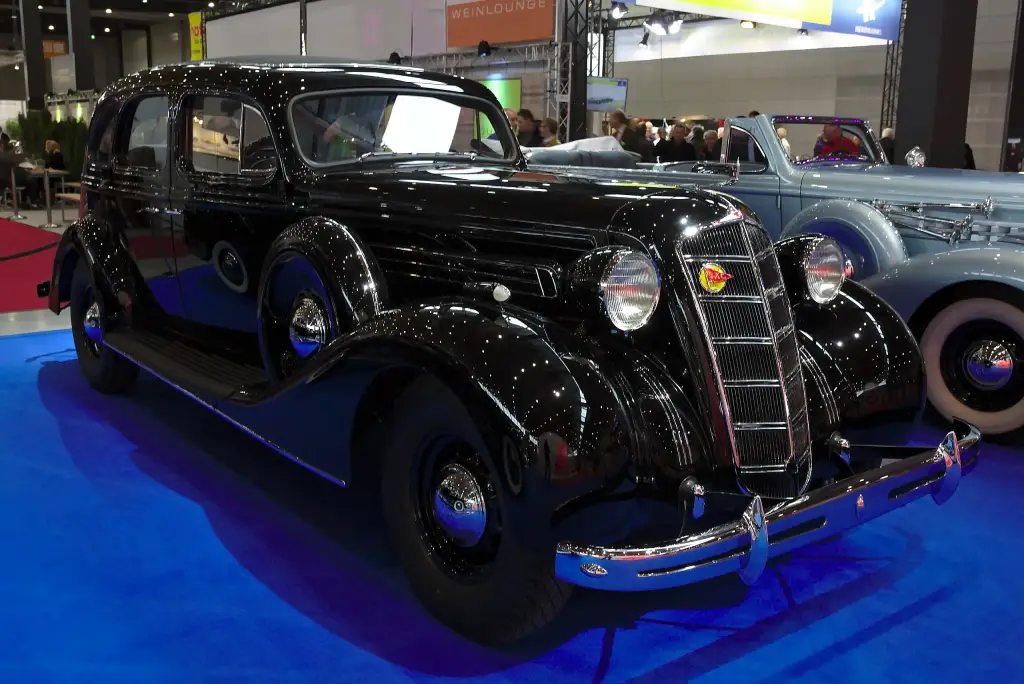
The ZIS-101 was the first large Soviet limousine, produced by Zavod Imeni Stalina from 1936 to 1941. Its chassis was reverse-engineered from an American Buick, while the body was designed in the United States by the Budd Company.
ZIS-101 at a glance
| Maker | Zavod Imeni Stalina (ZIS), Moscow |
|---|---|
| Production | 1936–1941 |
| Chassis | reverse-engineered from the Buick 33-90 |
| Body | designed by the Budd Company for $1,500,000 |
| Engine | 5.76 L straight-eight OHV, a metric copy of the Buick 345 |
| Power | 110 PS (81 kW); 116 PS (85 kW) in the ZIS-101A |
| Top speed | 115 km/h (71 mph); about 130 km/h (81 mph) in the ZIS-101A |
| Gearbox | three-speed manual |
| Built | over 8,000 |
| Sport version | ZIS-101 Sport (1939), 141 PS, 162 km/h |
| Versions | ZIS-101, 101A, 101B, 101E, 101S, 101L, 101 Sport, ZIS-102, ZIS-103, ZIS-105 |
Based on one source (English Wikipedia).
History of the ZIS-101
The ZIS-101 was developed in the mid-1930s as a luxury car for Soviet officials. Its chassis was reverse-engineered from the Buick 33-90, except for the front suspension, engine, exhaust and battery, which were carried over from the 1933 experimental limousine L-1, itself an unlicensed copy of the Buick 32-90. The body was designed by the American Budd Company for $1,500,000, and the stamps were made by Hamilton Foundry & Machine Company for another $500,000.
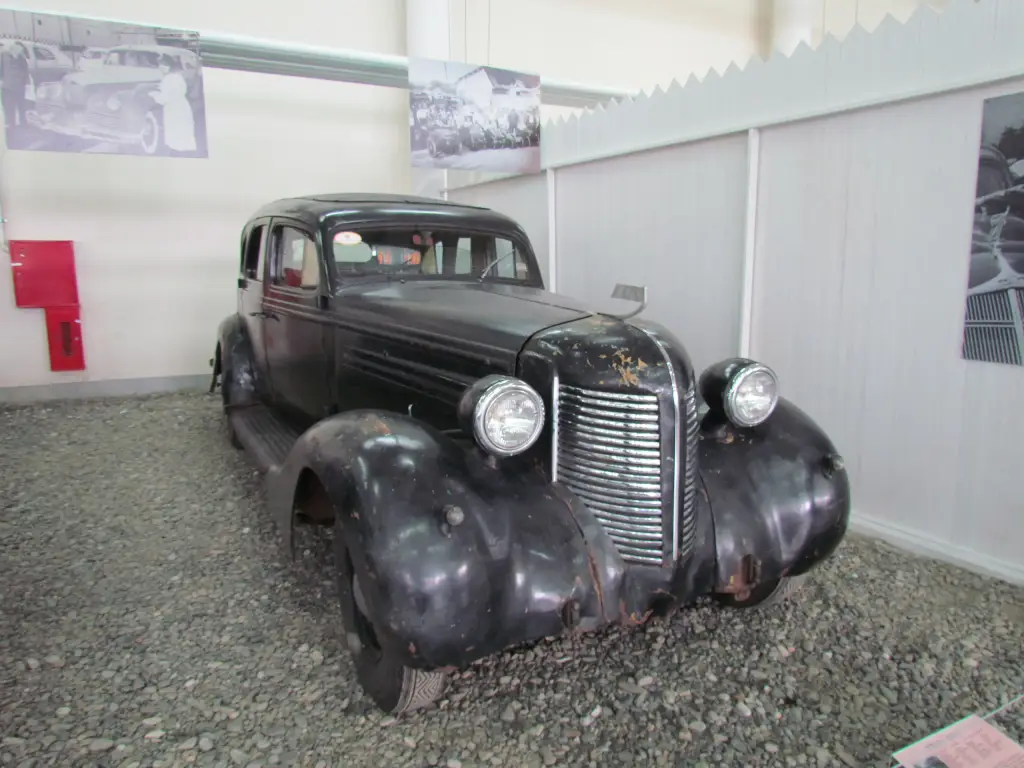
The car was equipped with a 5.76-litre straight-eight OHV engine, a metric copy of the Buick 345, producing up to 110 PS (81 kW) and giving a top speed of 115 km/h. It was fitted with a three-speed manual gearbox. Production began in 1936 and continued until 1941, with over 8,000 cars built.
The ZIS-101A
In 1939 the ZIS-101A appeared with an improved engine producing 116 PS (85 kW) and a new top speed of approximately 130 km/h. The 101A remained in production until the end of the model run in 1941. Several other versions were built in small numbers, including the 101B prototype, armoured 101E and 101S prototypes, the 101L with an intercom between passengers and driver, and ambulance versions.
The 101 Sport
In 1939 a two-seat sport version designed by Valentin Nikolaevich Rostkov was built under the name 101-Sport. It used the engine of the 101A boosted to 141 PS (104 kW) and reached 162 km/h, although a Pravda article claimed 170–180 km/h. It was not made in more than one or two copies.
Design and features
- American chassis: the Buick 33-90 chassis was reverse-engineered, while the front suspension, engine, exhaust and battery came from the earlier L-1.
- American body tooling: the Budd Company designed the body and Hamilton Foundry & Machine made the stamps.
- Straight-eight engine: a 5.76-litre metric copy of the Buick 345, producing 110 PS in the original car and 116 PS in the 101A.
- Coachbuilt variants: the range included an ambulance, armoured prototypes, a car with a driver–passenger intercom and a two-seat sport model.
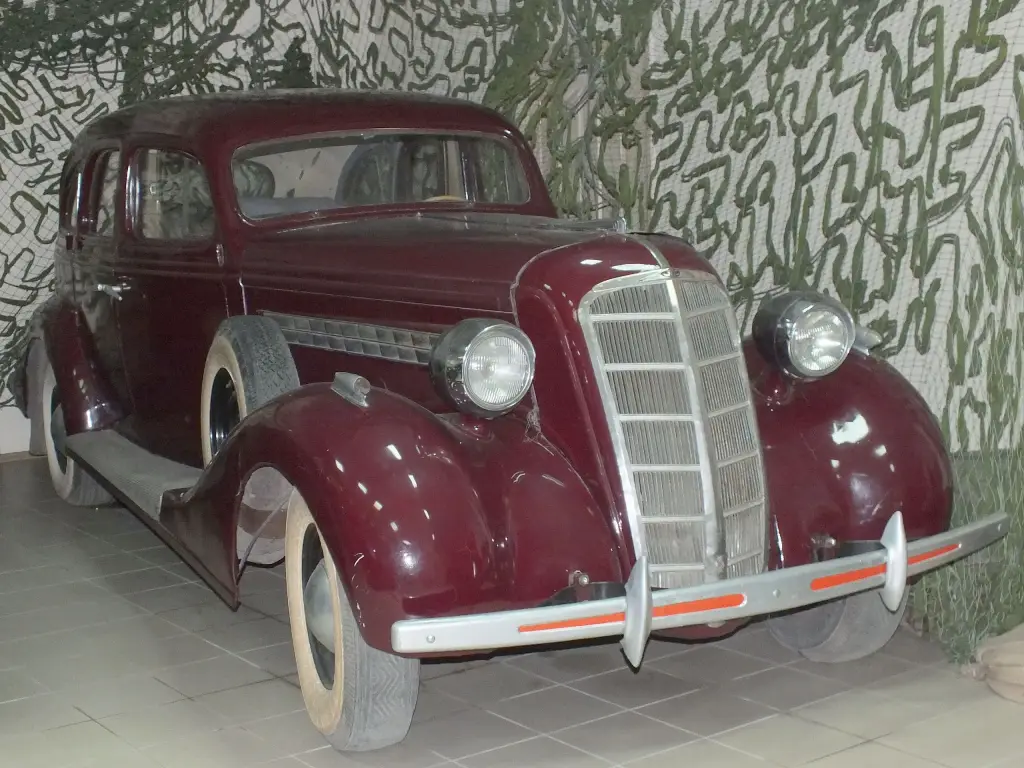
ZIS-101 versions
- ZIS-101 (1936–1939): the initial production version.
- ZIS-101A (1939–1941): improved engine, 116 PS and about 130 km/h.
- ZIS-101B: improved prototype.
- ZIS-101E and ZIS-101S: prototype armoured versions.
- ZIS-101 Sport (1939): two-seat sports car with 141 PS and 162 km/h.
- ZIS-102 (1938–1940): convertible version of the limousine.
The next ZIS limousine was the ZIS-110, and the armoured ZIS-115 was built on its chassis. More Soviet cars are in the ZIS collection.
Video: Тест-драйв ЗИС-101
Video on YouTube.
Sources
- ZIS-101, English Wikipedia: history, chassis, engine and variants