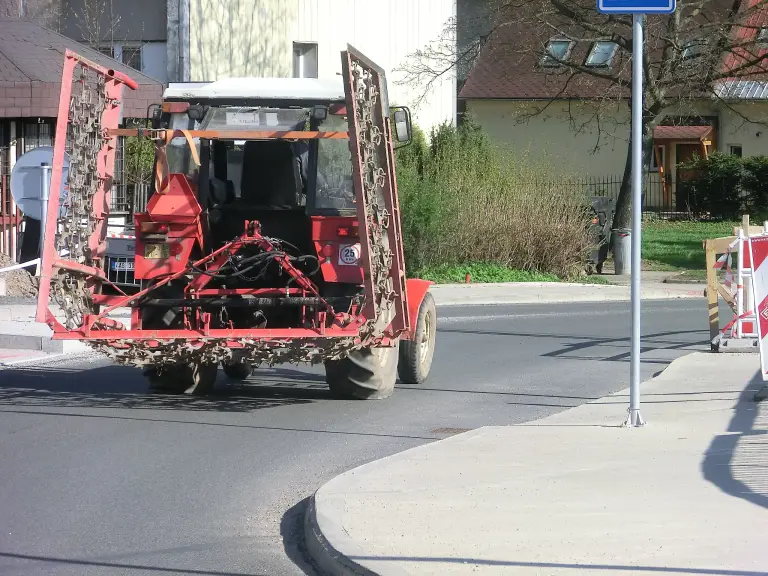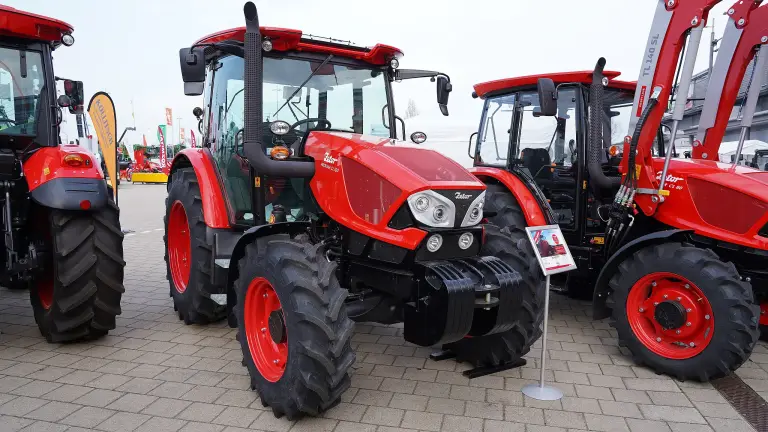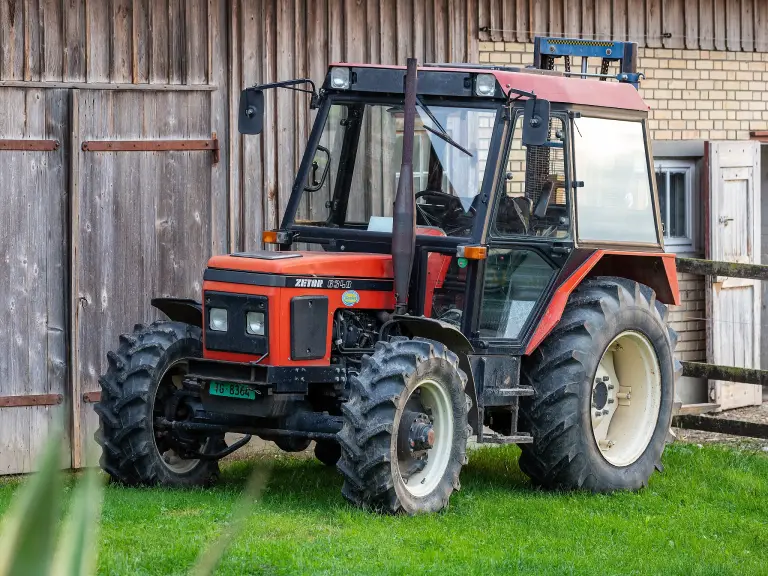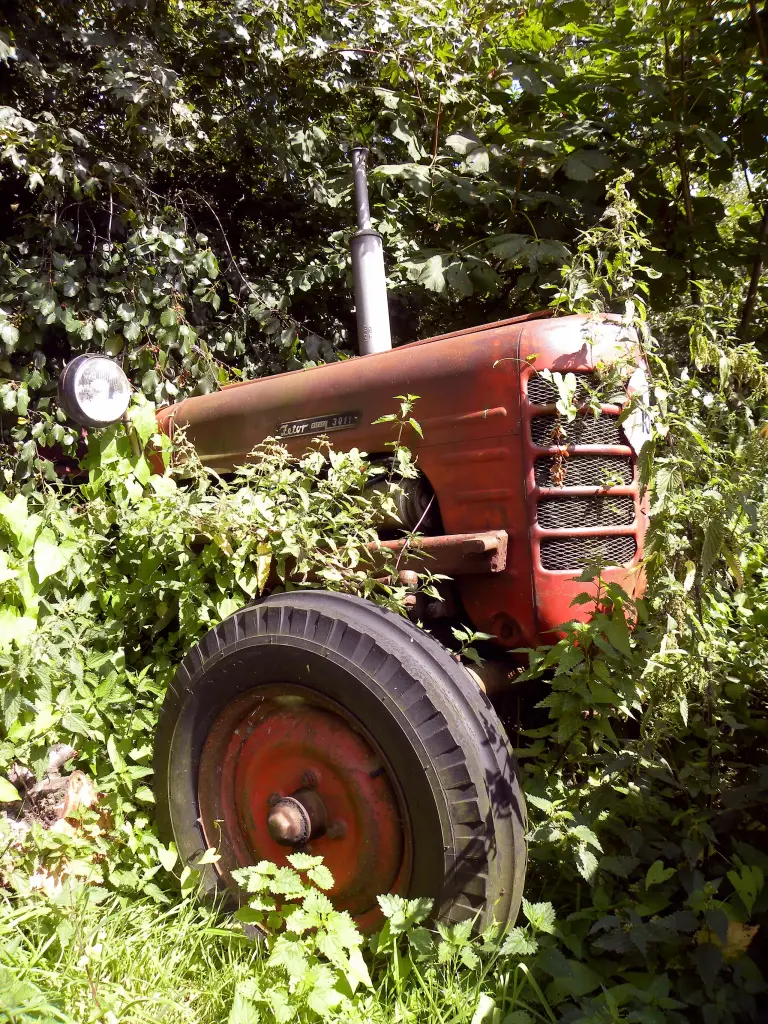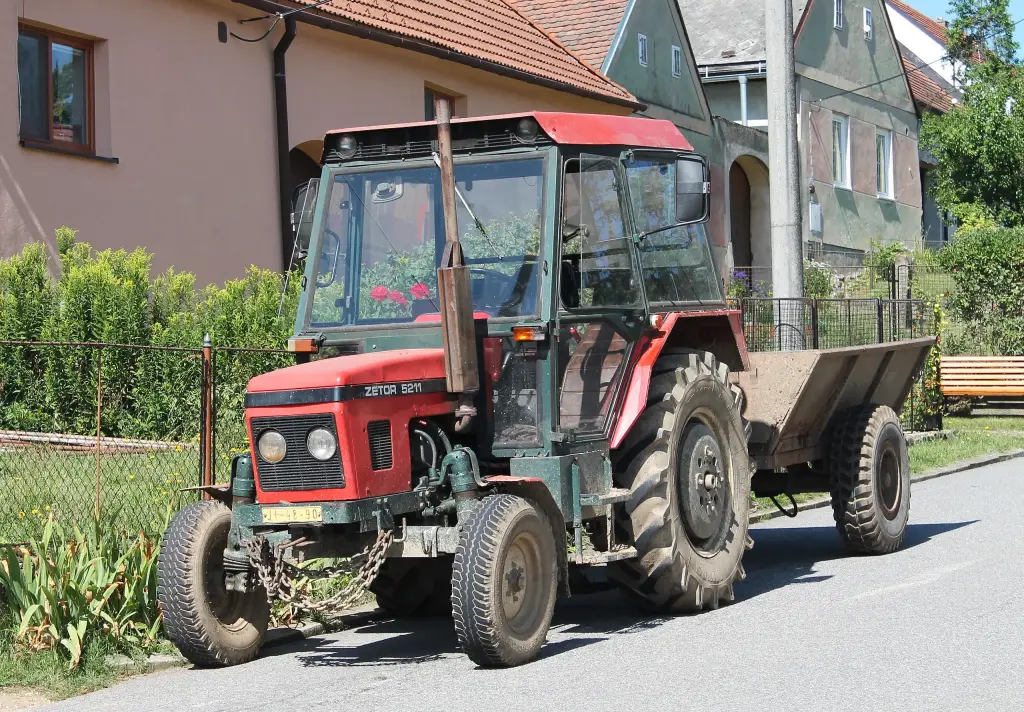
The Zetor 5211 was introduced in 1984, in the fifth modernization of the Unified Series I. With it came the four-wheel-drive 5245, the 6211 and 6245, and the 7211 and 7245, together covering the middle of the Zetor range through the second half of the 1980s.
Zetor 5211 at a glance
| Maker | Zetor, Brno, Czechoslovakia |
|---|---|
| Introduced | 1984 |
| Family | Unified Series I, fifth modernization |
| Launched with | 6211, 6245, 7211, 7245 |
| Added in 1990 | vineyard models 5213, 5243 |
| Type number | about 52 hp |
| Zetor 5211 | rear-wheel drive |
| Zetor 5245 | four-wheel drive |
| Built at | Brno-Líšeń |
There is no separate Wikipedia article on the 5211; this page is based on the sections on Unified Series I in the Czech and English articles on the Zetor company.
History of the Zetor 5211
By the early 1980s Zetor’s Unified Series I had already been through four modernizations. The first, in 1968–1969, gave the 2511, 3511, 4511 and 5611; the second, in 1972, the 4712, 5711 and 6711; the third, in 1977–1978, the 4911, 5911 and 6911; and the fourth, in 1980–1981, the 5011, 6011, 6045, 7011 and 7045.
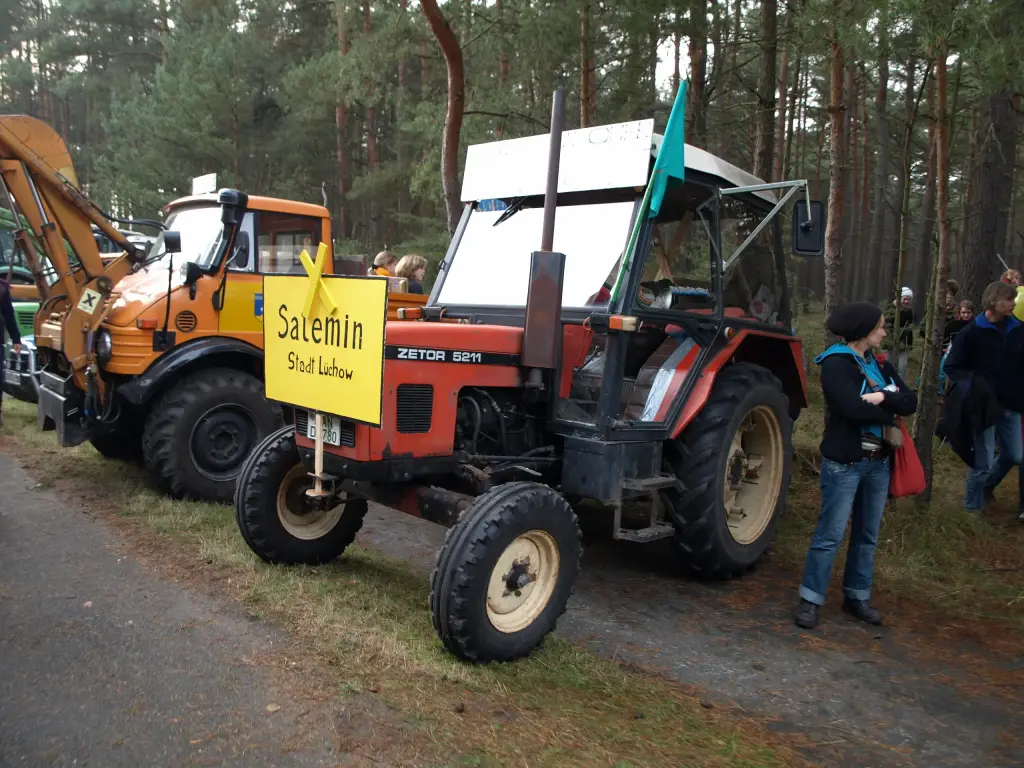
The fifth modernization
The fifth modernization took place in 1984 and produced six tractors: the 5211, 5245, 6211, 6245, 7211 and 7245. As before, the range was built around a shared mechanical package with several engine sizes, and the last two digits of each type number told the buyer what he was getting. The ending -11 meant rear-wheel drive and the ending -45 meant that both axles were driven. The first digits gave the approximate power in horsepower: a 5211 was therefore a roughly 52 hp universal tractor with rear-wheel drive, and a 5245 the same machine with four-wheel drive for heavy soil and wet conditions.
Later additions
In 1990 the range was extended with the vineyard models 5213 and 5243, narrow tractors intended for work between rows. These followed the pattern set by earlier specialist Zetors, which had included vineyard, cultivation, half-track and hill-farm versions of the Unified Series I. By then the Unified Series III, which had been under development since 1972, was close to production, and it replaced the old family from 1992 with the 3320–6340 range.
In service
The 5211 became one of the most common small Zetors in Czechoslovakia and its export markets, and it remains a familiar sight at vintage shows and on small farms. Its simple mechanical layout, with few electronics and straightforward maintenance, is the quality most often cited by owners. Czech and Polish collectors value it as a compact representative of the 1980s generation, and four-wheel-drive 5245s are particularly sought after for forestry and winter work.
Design and features
- Fifth modernization: introduced in 1984 with the 6211, 6245, 7211 and 7245.
- Two- and four-wheel drive: the 5211 drove the rear axle only; the 5245 drove both.
- Clear numbering: -11 for rear-wheel drive, -45 for four-wheel drive, with the first digits giving approximate power.
- Vineyard versions: the 5213 and 5243 of 1990 were built narrow for work between rows.
- Simple maintenance: a mechanical layout with few electronics, valued by owners today.
Zetor 5211 versions
- Zetor 5211: the standard two-wheel-drive tractor of the 1984 range.
- Zetor 5245: the four-wheel-drive version, suited to heavy and wet ground.
- Zetor 5213: narrow vineyard version added in 1990.
- Zetor 5243: four-wheel-drive vineyard version added in 1990.
- Zetor 6211, 6245, 7211 and 7245: the larger models of the same modernization.
The 5211 followed the Zetor 5011 generation and was replaced in 1992 by the Unified Series III. The larger tractors of the same family are at Zetor 7011. More are in the Zetor collection.
Video: Zetor 5211 with an Autosan D-732 trailer
Video by tombien on YouTube.
Sources
- Zetor, Czech Wikipedia: the fifth modernization, vineyard versions, type-numbering system
- Zetor, English Wikipedia: history of the unified series and its replacement