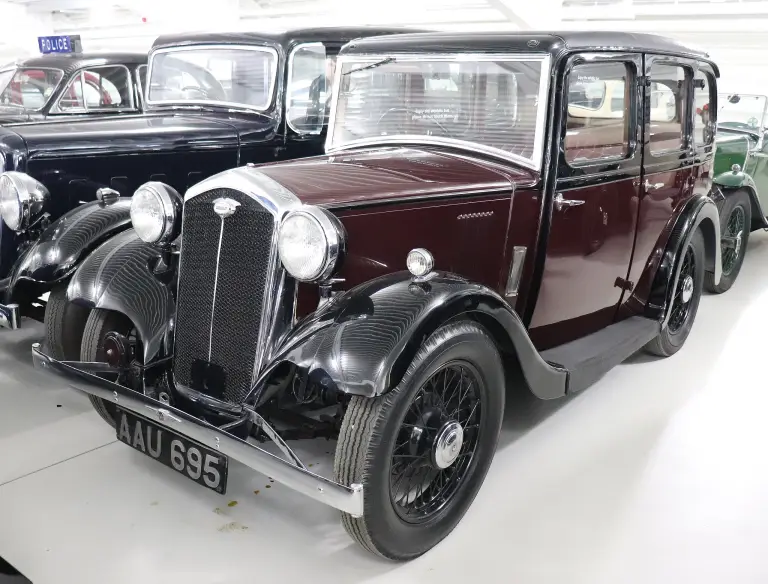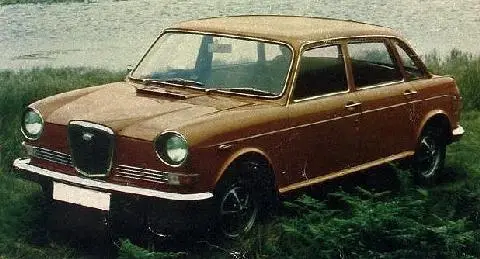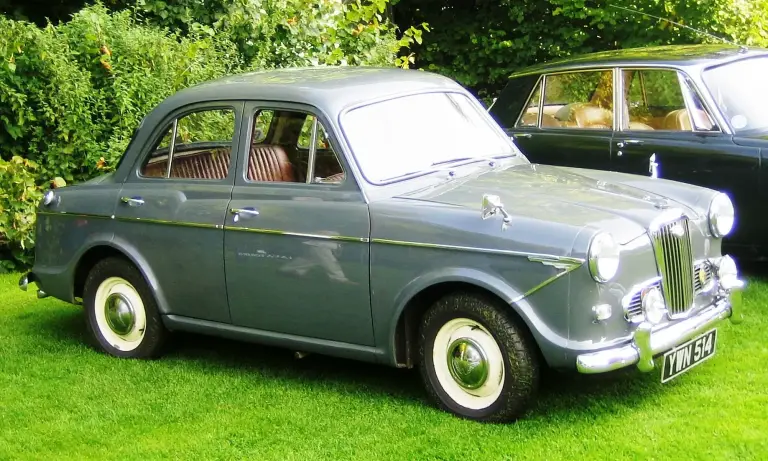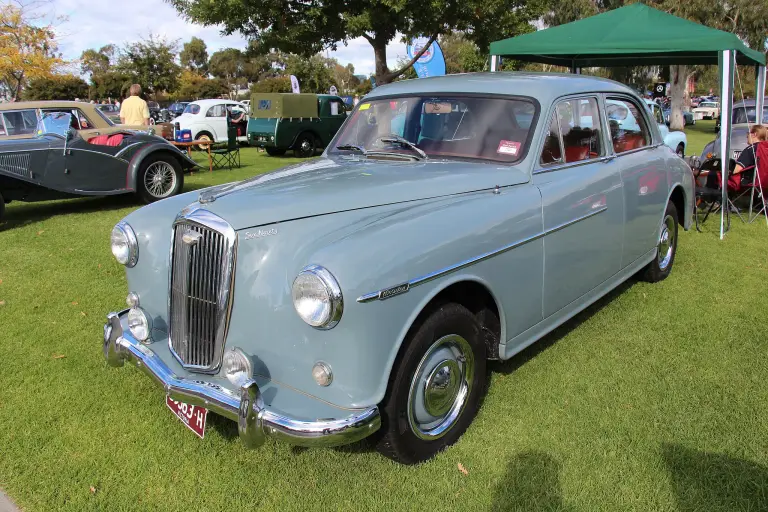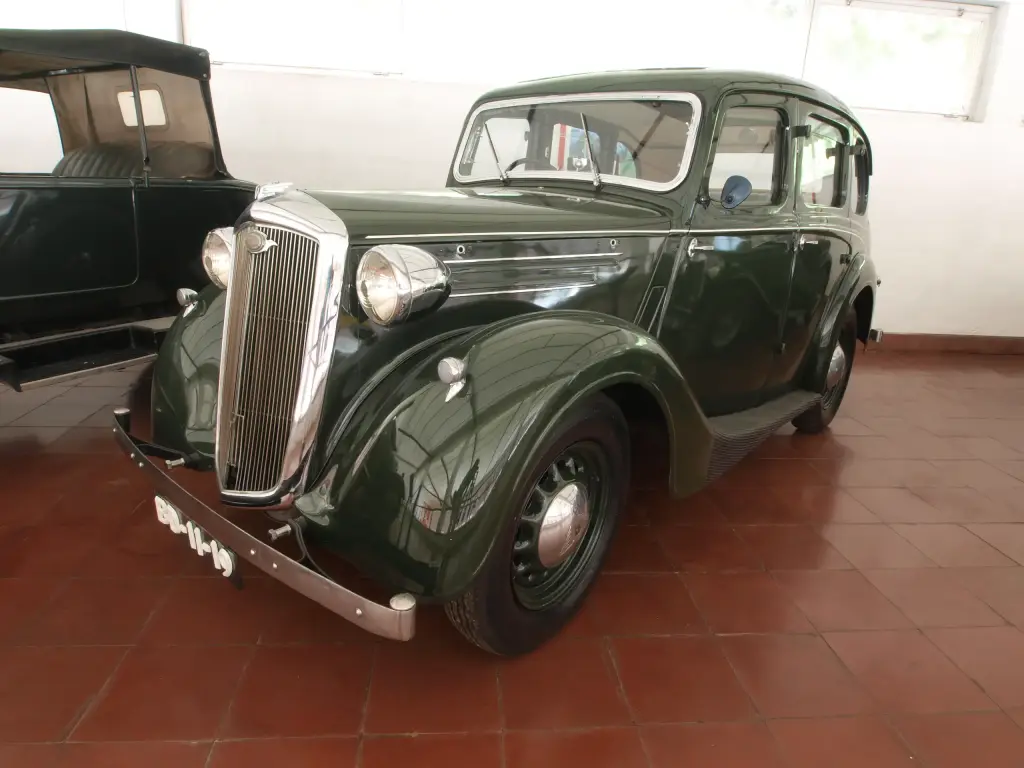
The Wolseley Ten was a light car produced by Wolseley Motors Limited in 1939 and again from 1945 to 1948. Based on the Morris Ten Series M but built on a separate steel chassis, it was aimed at the upmarket end of the small-car market, with leather upholstery, walnut trim and a 1,140 cc engine.
Wolseley Ten at a glance
| Maker | Wolseley Motors, Nuffield Organization |
|---|---|
| Production | 1939–1941 and 1945–1948 |
| Based on | Morris Ten Series M of 1938 |
| Chassis | steel sections with cruciform bracing |
| Engine | 1,140 cc XPJW four, single carburettor |
| Power | 40 bhp |
| Wheelbase | 2,300 mm, 100 mm shorter than the Morris |
| Suspension | semi-elliptic leaf springs all round |
| Brakes | Lockheed hydraulic drums |
| Price at launch | £215; £5 extra for the Jackall system |
| Built | 5,261 before 1941 and 2,715 after the war |
Based on one source, the English Wikipedia article.
History of the Wolseley Ten
A more luxurious Morris Ten
The ten-horsepower class was an important part of the British market in the 1930s, and Wolseley entered it with the 10/40 of 1936, based on the contemporary Morris Ten; both makes belonged to the Nuffield Organization. The 10/40 ceased production in 1937, and it was not until February 1939 that Wolseley introduced the Ten as its replacement. The new car was again based on the Morris Ten, this time the 1938 Series M, but with an important difference: where the Morris had semi-unitary construction, the Wolseley had a substantial steel-section chassis with cruciform bracing. Many steel body pressings were shared, and to keep weight down the wheelbase was 100 mm shorter than the Morris, at 2,300 mm. The 1,140 cc XPJW engine produced 40 bhp against the Morris’s 37 bhp. Suspension was not independent, using semi-elliptic leaf springs all round, and Lockheed hydraulic drum brakes were fitted.
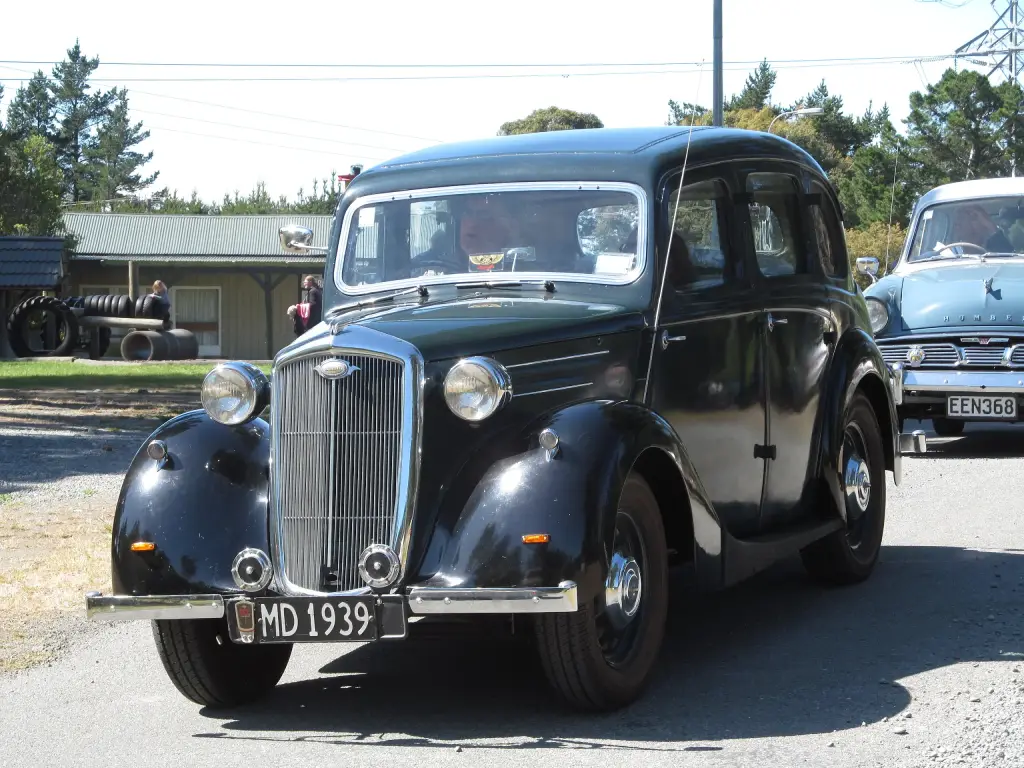
Equipment
Because the car was intended for the upmarket sector, it was well equipped, with leather upholstery, pile carpets and walnut trim. Its seats were early users of Dunlopillo foam rubber rather than traditional metal coil springs, possibly making it the first mass-produced car to use the material. The steering column was adjustable for both angle and reach. At launch the car cost £215, £40 more than the Morris, with the option of a built-in Jackall system that could hydraulically lift a wheel off the ground for tyre changes for an extra £5. In June 1939 a factory-built two-door drophead coupé priced at £270 joined the saloon, although very few appear to have been made, and the London dealer Eustace Watkins offered its own drophead version.
War and after
With the outbreak of the Second World War in 1939, production of Wolseley cars, including the Ten, stopped; 5,261 had been made before output ceased in early 1941. Production restarted in September 1945 without the drophead. The price had risen considerably, to £474, partly because of higher taxes, against £378 for the Morris. The Ten was discontinued in 1948 after another 2,715 had been built, when the first post-war designs arrived. The new small Wolseley, the 4/50, had a 1.5-litre engine and was a larger car rather than a true replacement, and after the formation of BMC in 1952 this sector of the market was left to Austin and Morris.
Design and features
- Separate chassis: steel sections with cruciform bracing instead of the Morris’s semi-unitary body.
- Luxury trim: leather upholstery, pile carpets and walnut woodwork.
- Dunlopillo seats: an early mass-production use of foam rubber instead of coil springs.
- Adjustable steering: the column could be set for both angle and reach.
- Jackall option: a built-in hydraulic system to lift a wheel for tyre changes.
Wolseley Ten versions
- Saloon (1939–1941, 1945–1948): the standard four-door body.
- Drophead coupé (1939): a factory two-door at £270, built in very small numbers.
- Eustace Watkins drophead: a dealer-built open version.
The Wolseley Nine was the earlier small Wolseley, and the Wolseley 4/44 followed the Ten’s post-war replacement. More cars are in the Wolseley collection.
Video: Wolseley New Ten Back seat driving
Video on YouTube.
Sources
- Wolseley Ten, English Wikipedia: history, chassis, equipment, production, prices