The Volga is the executive car that GAZ built in Gorky from 1956, replacing the Pobeda. It served the Soviet nomenklatura and became a cultural icon, while several generations kept the same basic layout for decades. GAZ ended the range in 2010.
Volga at a glance
| Maker | GAZ, Gorky |
|---|---|
| Production | 1956–2010 |
| Predecessor | GAZ-M20 Pobeda |
| First generation | GAZ-21, 1956–1970 |
| First-generation output | 639,478 cars |
| Second generation | GAZ-24 from 1970 |
| GAZ-24 family output | almost 1.5 million to 1992 |
| GAZ-3102 | 1982–2009 |
| GAZ-3110 | 1996–2004 |
| Main users | state bodies, taxi, police, ambulance |
| End of the range | 2010 |
Based on one source: the English Wikipedia article on the Volga. This page is an overview of the line; the individual models have their own articles.
History of the Volga
First generation: the GAZ-21
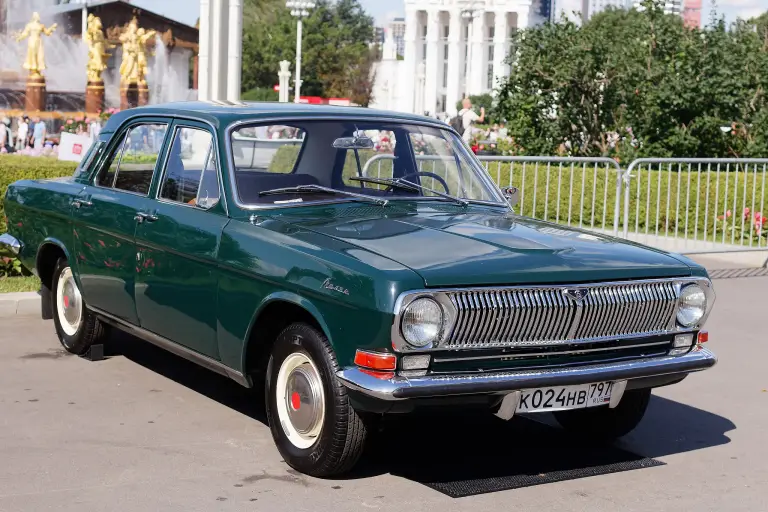
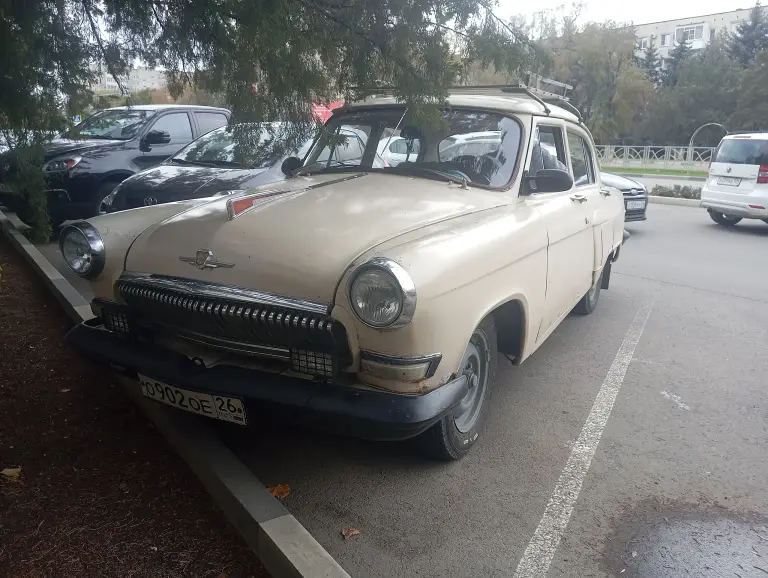
The Volga was developed to replace the 1946 GAZ-M20 Pobeda, and the first pre-production batch left GAZ on 10 October 1956. It was built in three series, told apart by the grille and nicknamed Star, Shark and Baleen, and 639,478 cars were made between 1956 and 1970. A custom-assembled estate, the GAZ-22, appeared in 1962, and a rare V8 version was built for the KGB’s 9th Directorate as a motorcade escort. The original name was GAZ-M-21, the M referring to Vyacheslav Molotov, after whom the plant was named; after his fall in 1957 the prefix was gradually dropped from 1965.
Second generation: the GAZ-24
Development of the GAZ-21’s replacement began in 1961, and the GAZ-24 was planned for a lifetime of seven to ten years. It reached the conveyor only on 15 July 1970, after the first batch of 24 cars had been assembled in 1968. The car was built in many modifications, now marked by numbers rather than letters. A light refresh came in 1977 and the GAZ-24-10 in 1985, bringing features developed for the GAZ-3102. Including the GAZ-24-10, almost one and a half million of these Volgas were produced until 1992, most of them for state use and the rest mainly as taxis, police cars and ambulances.
The GAZ-3102 and the later cars
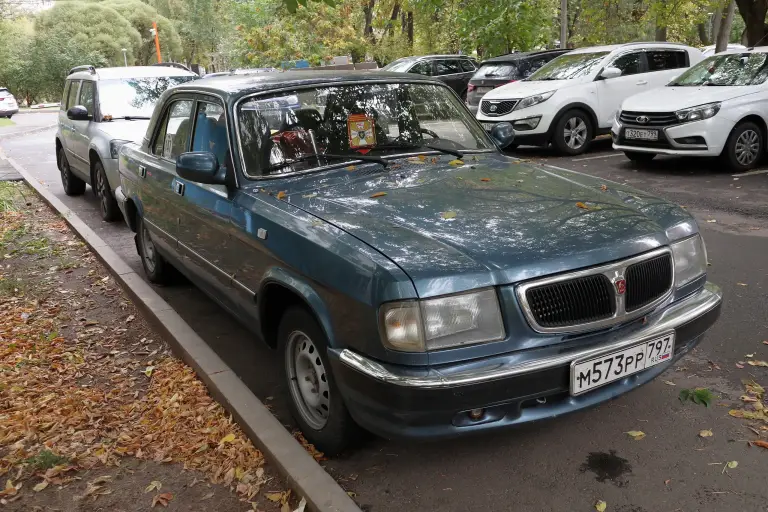
By 1980 a replacement had been developed as the GAZ-3102. It used the central platform and body of the GAZ-24 but had an original front end, interior, engine and chassis. Political and economic stagnation delayed the launch, and manufacture began in 1981 with the official start the following year; from 1982 until 2008 the car was built in parallel with the other Volgas, in smaller numbers. Its first users were the KGB and other government bodies through 1983, and it stayed unavailable to the public until after the collapse of the Soviet Union, which gave it a particular cachet in Russia. In 1996 the line received its last major modernisation as the GAZ-3110, and repeated attempts to find a replacement, including the GAZ-3105, GAZ-3111 and the Siber, all failed. The Volga was finally retired in 2010, forty years after the GAZ-24 began production.
Design and features
- Official car: the Volga served the Soviet nomenklatura and was rarely available to private buyers without a permit.
- Long model life: the GAZ-24 platform was modernised repeatedly and remained in production for four decades.
- Three first-series grilles: Star, Shark and Baleen front ends became a Volga trademark.
- Working role: taxis, police cars and ambulances used the same basic design as the state limousines.
Volga versions
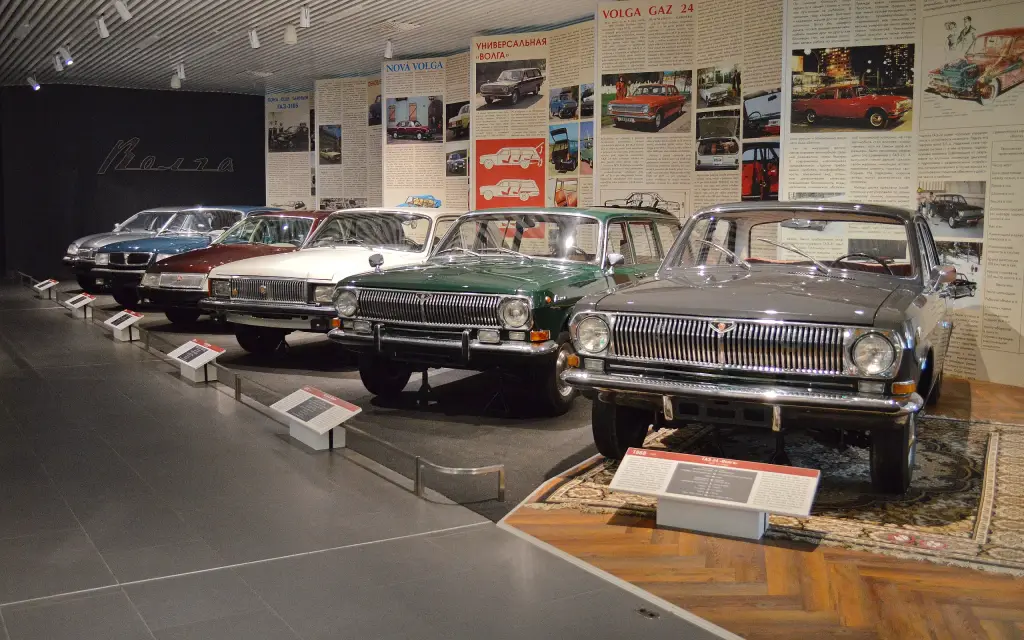
- GAZ-21 (1956–1970): the first generation, in three series.
- GAZ-22: estate derivative of the GAZ-21 from 1962.
- GAZ-24 (1970–1986): the second generation, and the GAZ-24-10 to 1992.
- GAZ-3102 (1982–2009): new fascia, interior and chassis on the GAZ-24 platform, first used by the KGB and state bodies.
- GAZ-3110 (1996–2004): the last major modernisation of the old platform.
The individual models are described in the GAZ-21, GAZ-24 and GAZ-3110 articles. More cars are in the Volga collection.
Sources
- Volga, English Wikipedia: generations, production figures, role, end of the range